











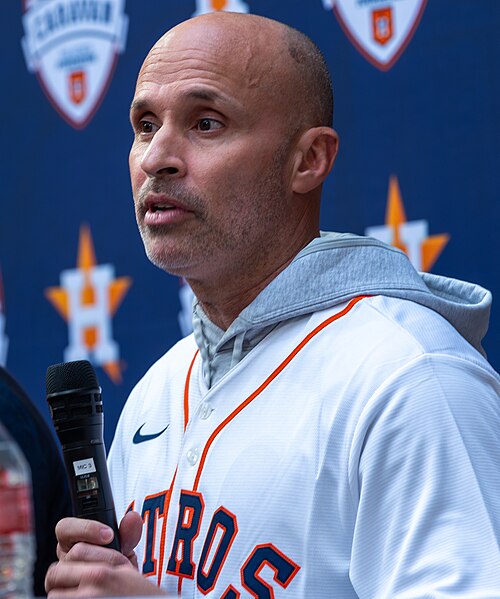






The Houston Astros’ 68-day search for a general manager ended with a surprise Friday night when the organization hired longtime St. Louis Cardinals executive Randy Flores to lead a franchise confronting difficult decisions at nearly every level.
Flores, 51, becomes the 15th general manager in Astros history. He replaces Dana Brown, who parted ways with the organization on August 24, and arrives from St. Louis after eight seasons as an assistant general manager and more than a decade overseeing the Cardinals’ scouting operation.
“Throughout the entire interview process, we’ve been thoroughly impressed with Randy and his background in scouting and player acquisition,” Astros owner Jim Crane said in the team’s announcement.
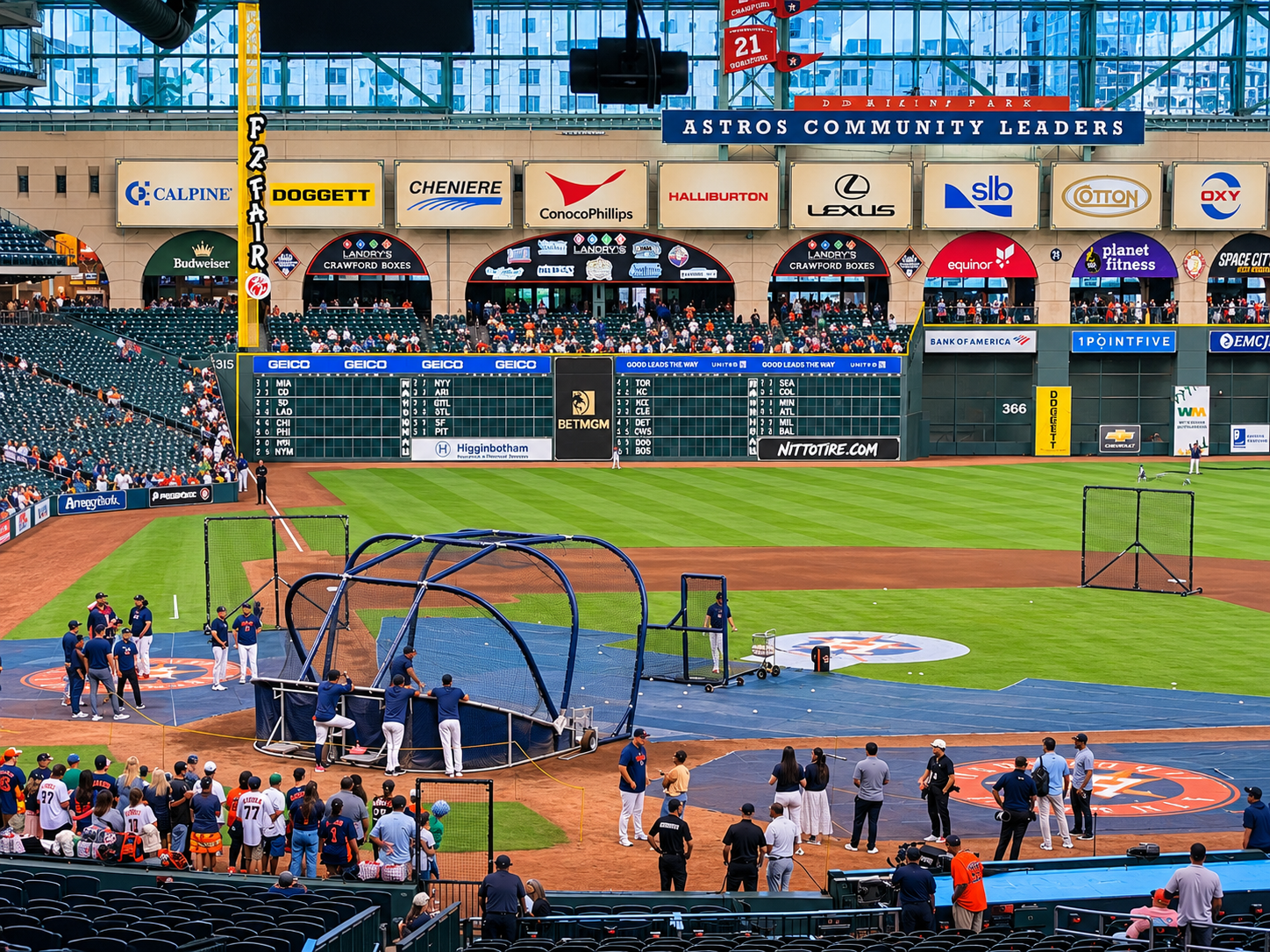
Flores will be introduced at a 10 a.m. press conference Monday at Daikin Park. The Astros will stream the press conference on their website and social media channels.
A Surprise Ending to the Search
Flores’ hiring came less than two days after Milwaukee Brewers assistant general manager Matt Kleine was identified as Houston’s preferred candidate.
The Athletic reported that the Astros offered Kleine the job before Milwaukee won the World Series on Wednesday. According to that report, some league sources believed Kleine sought either a higher salary or the title of president of baseball operations. Crane has not used that title for his recent front-office hires, and Flores was hired as general manager.
Neither the Astros nor Kleine has publicly explained why the negotiations failed. What is confirmed is that Houston moved quickly to Flores after appearing close to hiring an executive with a substantially different background.
Kleine’s résumé centered on major-league transactions, contracts, arbitration, financial planning, and roster construction. Flores built his reputation through scouting, the amateur draft, and player acquisition.
That distinction may reveal where the Astros believe their most pressing organizational problem lies.
Flores Built His Reputation Through the Draft
Flores joined the Cardinals as director of scouting in 2015 and was promoted to assistant general manager after the 2018 season. His most recent title was assistant general manager of amateur and professional acquisition.
During his time overseeing the Cardinals’ drafts, St. Louis selected several players who became important parts of its major-league roster. The Cardinals used their first four selections in the abbreviated 2020 draft on Jordan Walker, Masyn Winn, Tink Hence, and Alec Burleson. Flores’ other notable selections included Tommy Edman in the sixth round in 2016, Joshua Baez in 2021, JJ Wetherholt in 2024, and pitchers Liam Doyle and Tanner Franklin in 2025.
Flores has described evaluation as a combination of objective information and human projection. His scouting departments incorporated models, Statcast measurements, pitch data, and biomechanics without treating those tools as substitutes for traditional scouting.
He also emphasized collaboration between scouts, analysts, performance specialists, and player-development personnel. In a 2023 interview with FanGraphs, Flores said every department had a voice in draft decisions, but no single voice controlled the process.
That approach could be especially significant for an Astros organization attempting to replenish a farm system weakened by years of late draft positions, trades, and draft penalties.
More Than a Traditional Scout
Flores’ route to the front office was unusual.
The former left-handed reliever appeared in 350 major-league games over eight seasons with the Rangers, Rockies, Cardinals, and Twins. He was a member of St. Louis’ 2006 World Series championship team and earned the victory in Game 7 of that year’s National League Championship Series.
After his playing career, Flores returned to the University of Southern California, where he served as pitching coach while earning a master’s degree in postsecondary administration. He also worked as a college baseball analyst and founded a sports-video technology company before joining the Cardinals.
His experience suggests an executive comfortable moving between traditional scouting, player perspectives, technology, and analytical information. It does not, however, answer every question surrounding the hire.
Flores has never run a baseball-operations department. His public résumé contains considerably less experience with major-league payroll construction, free-agent negotiations, trades, and arbitration than Kleine’s. How Flores divides those responsibilities among Houston’s existing executives—and how much authority Crane and senior adviser Jeff Bagwell retain—will help determine how significant this change actually is.
Flores Inherits an Immediate To-Do List
The first major decision awaiting Flores is the selection of Houston’s next manager. The Astros declined to renew Joe Espada’s contract after three seasons, leaving several other coaching positions unsettled as well.
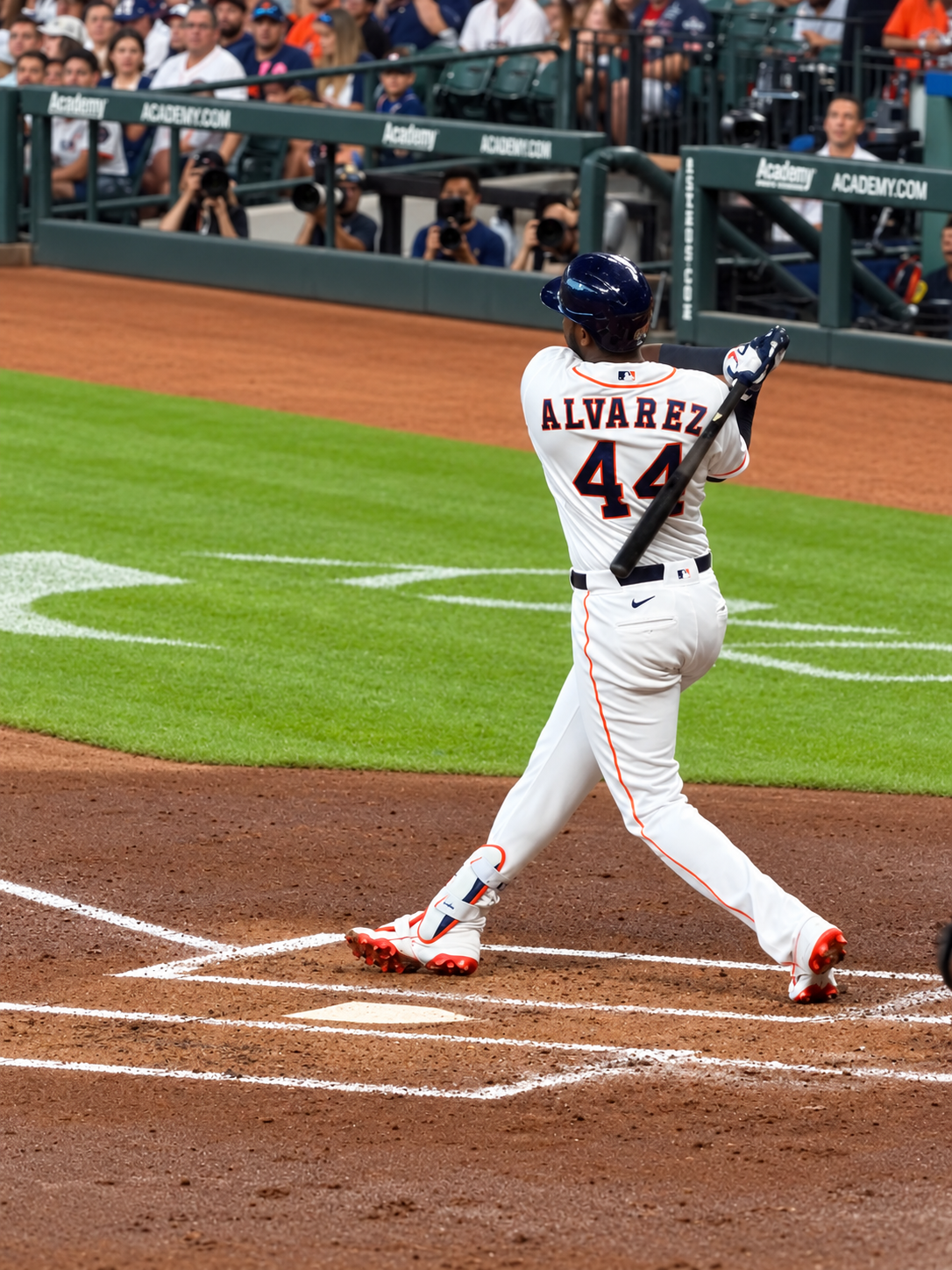
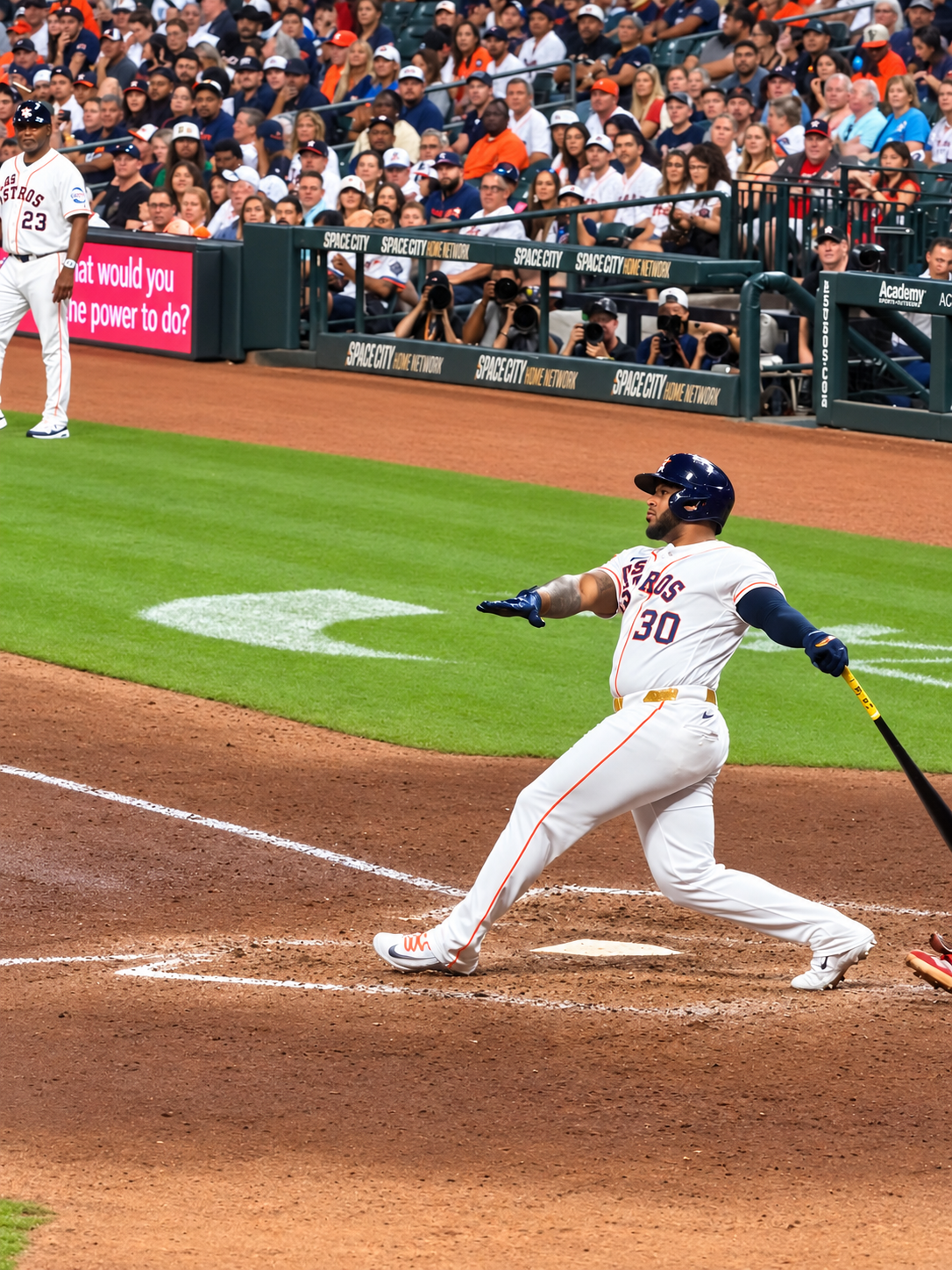
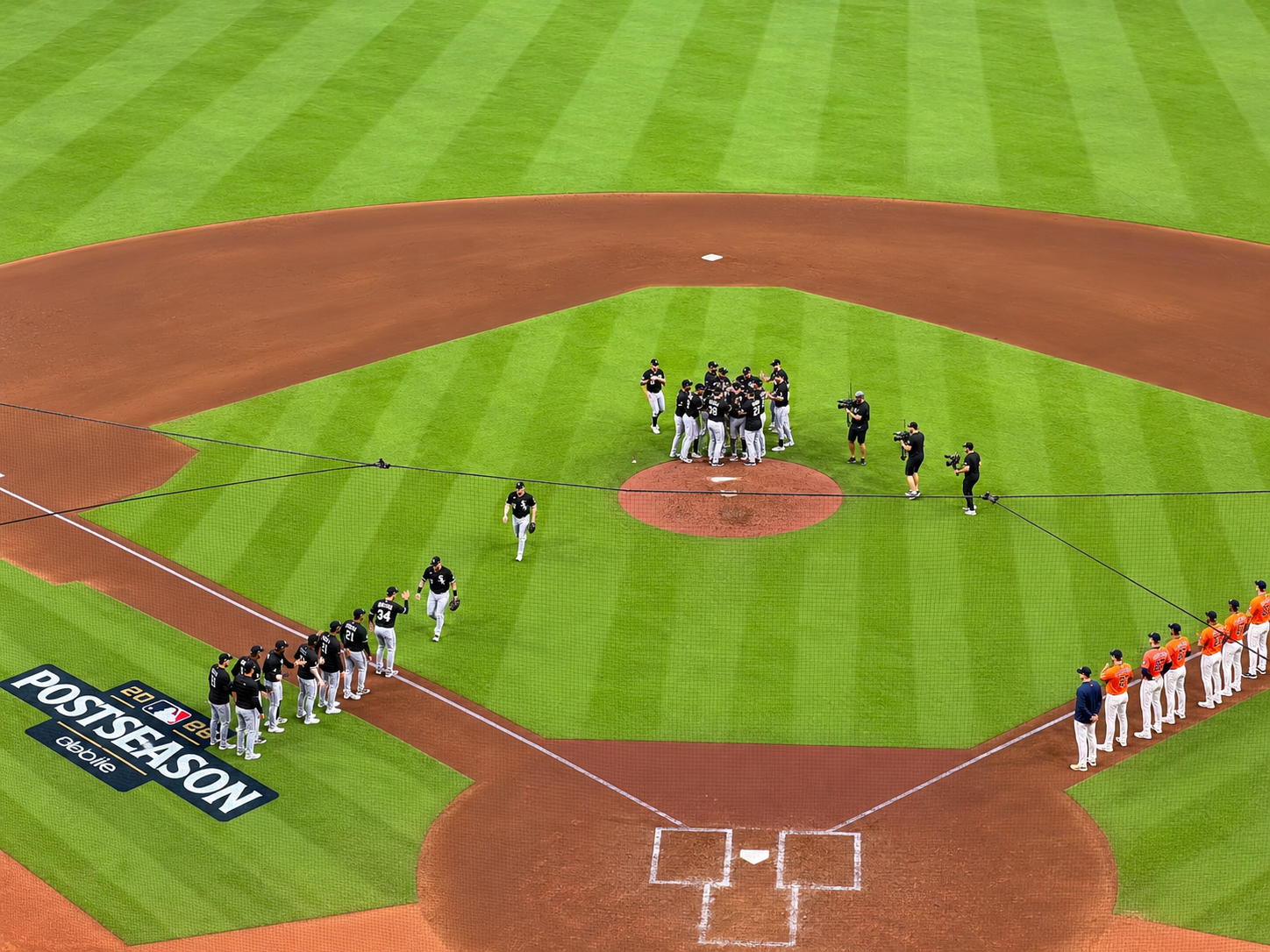
Flores also inherits an aging and expensive roster that finished 81–81, became the first division winner in a full season without a winning record, and was swept by the Chicago White Sox in the Wild Card Series.
Houston must address one of baseball’s least productive outfields, rebuild a bullpen losing several free agents, and create greater stability in a rotation that used a franchise-record 19 starting pitchers in 2026. The Astros also have to resolve an infield logjam involving Carlos Correa, Isaac Paredes, and Christian Walker while determining whether Jeremy Peña fits into their plans beyond his final season of team control.
Those decisions must begin quickly. The General Managers Meetings open November 10, and the current collective bargaining agreement expires December 1. An expected lockout would halt transactions involving players on 40-man rosters and prevent team personnel from communicating with those players.
Flores was not the name most expected the Astros to announce Friday. His background, however, directly addresses an organization that needs more than a few winter roster moves. Houston needs to rebuild the pipeline that sustained its championship era while determining how much of its current core can carry the club into the next one.
The Astros have entrusted that transition to an executive whose career has been built around identifying what players could become. His challenge now is determining what the Astros can become next.
Photo credit: Johnmaxmena2/Wikimedia Commons, licensed under CC BY-SA 4.0.


