










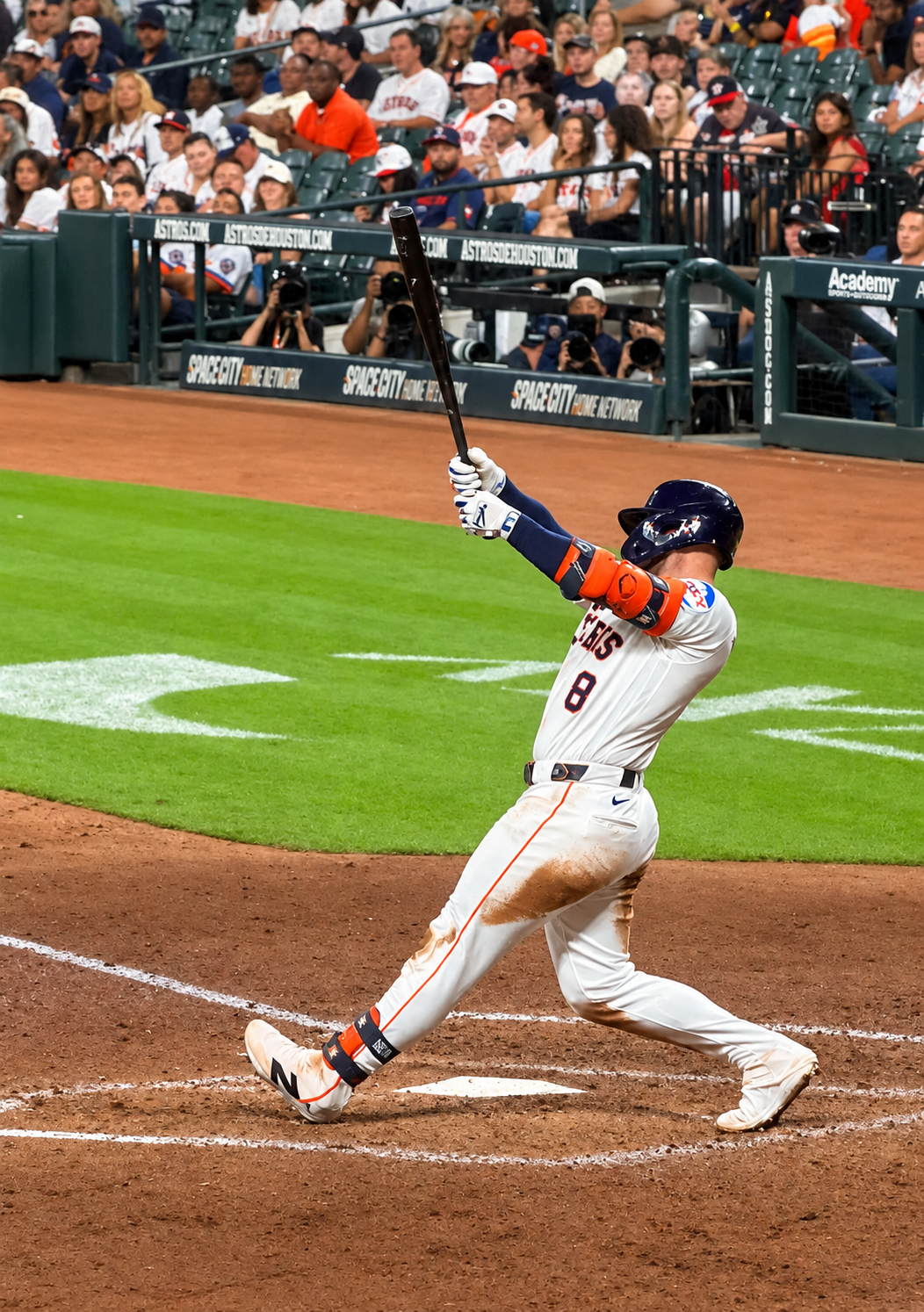
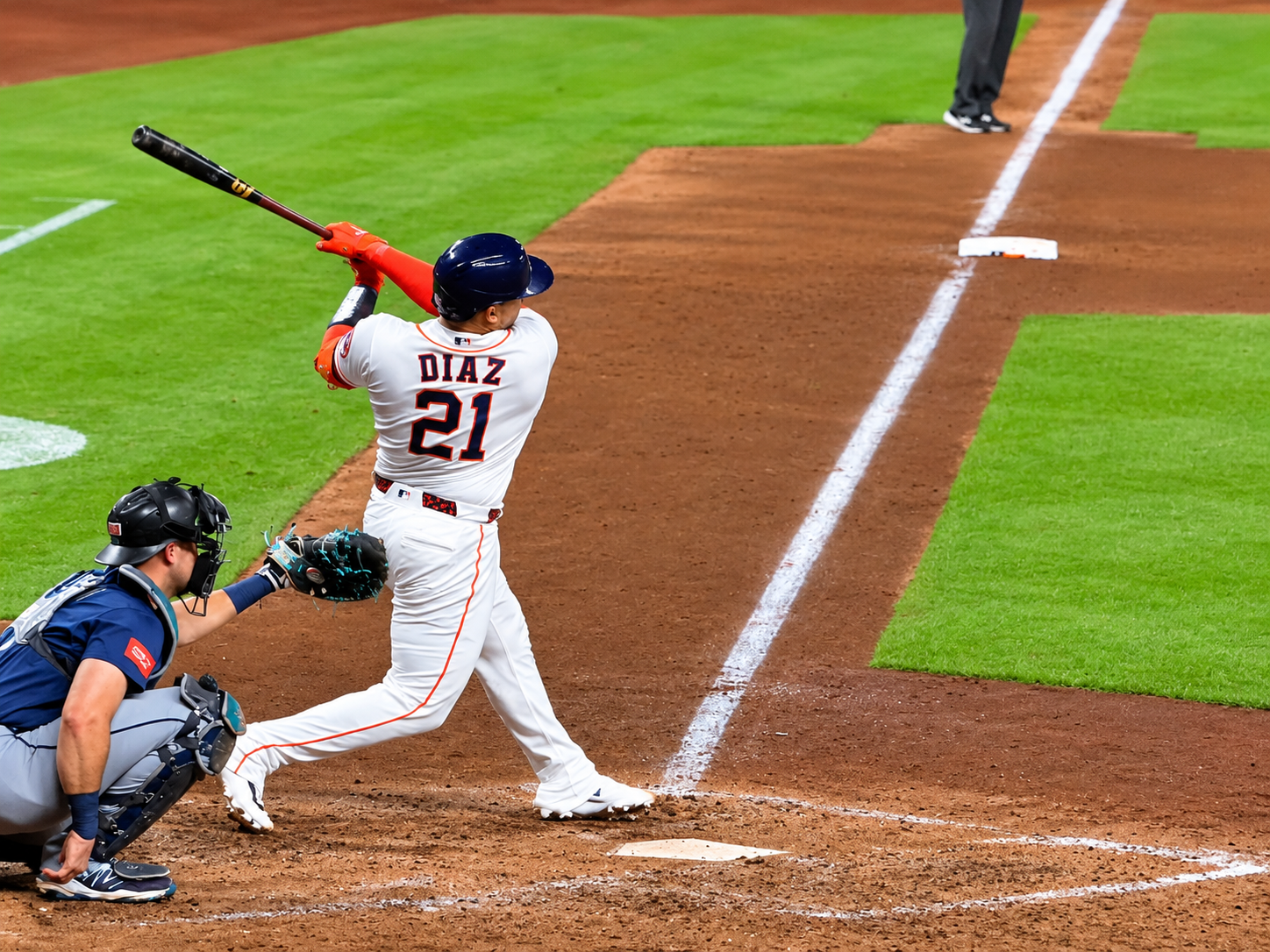

The Houston Astros have two catchers who offer uniquely different things. One produces at the plate but raises questions behind it. The other has two World Series rings, a reputation for handling pitchers, and an increasingly difficult time getting on base.
Now Houston must decide whether Yainer Díaz and Christian Vázquez are the right combination for 2027—or whether the catching position needs a more substantial overhaul.
Vázquez is headed for free agency after returning to Houston on a modest one-year contract. Díaz remains under team control, but his defensive performance and disappointing postseason history complicate what might otherwise be a straightforward decision about the team’s starting catcher.
The Astros have considerably more pressing offseason concerns, particularly following an 81-81 season and an early postseason exit. But improving the catching situation could have consequences well beyond the bottom of the batting order.
Vázquez Made a Difference, but Was It His Doing?
Christian Vázquez returned to Houston in March on a minor league contract, eventually earning a spot on the Opening Day roster. The veteran was already familiar with the organization, having helped the Astros win the 2022 World Series after arriving from Boston in a trade.
His experience was part of the appeal. Vázquez caught Houston’s combined no-hitter against Philadelphia in Game 4 of the 2022 World Series, and he added another remarkable achievement in May 2026 when he caught a combined no-hitter against the Texas Rangers.
He also stepped into a larger role when Díaz suffered a left oblique strain in May.
The results were intriguing. According to an October 5 report by Thomas Heiberger, the Astros went 45-30 in games started by Vázquez, a .600 winning percentage. Houston went 39-46 in games started by Díaz, a .459 winning percentage.
That is a substantial difference, particularly for a team that finished exactly at .500.
It would be tempting to conclude that Houston simply played better when Vázquez was behind the plate. But the comparison doesn’t establish that he was responsible for those victories. Starting pitchers, opponents, offensive support, and the timing of injuries all affect a team’s record with a particular catcher.
What the numbers do suggest is that Vázquez’s contribution deserves examination beyond his batting average. His experience working with pitchers, preparation, communication, and game management may have value that isn’t immediately obvious in conventional statistics.
There is also a fairly compelling argument against relying too heavily on the veteran.
Vázquez finished 2026 batting .207 with seven home runs and a .583 OPS in 86 games. After hitting .327 with a .920 OPS in April, his offensive production deteriorated significantly. He batted .172 with a .485 OPS following his strong opening month.
At 36, Vázquez is unlikely to suddenly rediscover the offensive production he provided earlier in his career. Bringing him back would mean accepting limited contributions at the plate in exchange for his experience and whatever defensive advantages Houston believes he provides.
That could be a reasonable arrangement for a backup catcher. It becomes more difficult to justify if the Astros expect him to play regularly.
Díaz Can Hit, but His Defense Remains a Concern
Yainer Díaz presents almost the opposite problem.
Despite missing time with an oblique injury, Díaz finished the regular season batting .285 with 14 home runs, 45 RBIs, and a .772 OPS. Those numbers represented a meaningful improvement from his disappointing 2025 campaign and reinforced his value as an offensive catcher.
For a Houston lineup that struggled with consistency, Díaz’s bat remains an important asset.
But catching involves considerably more than hitting, and the defensive numbers are less encouraging.
According to an October 9 analysis by Yirsandy Rodriguez, Díaz accumulated a minus-9 Fielding Run Value over the past three seasons, placing him among the league’s least effective qualified catchers by that measure. His minus-4 Catcher Framing Runs also ranked among the ten worst.
Those numbers reflect persistent concerns about his work receiving pitches. Poor framing can cost pitchers called strikes, extend at-bats, and complicate an already demanding job for the pitching staff.
Díaz has been Houston’s primary catcher for three seasons, so these concerns are hardly new. The Astros have had opportunities to evaluate his defense, and improvements have not come quickly enough to eliminate the questions.
The difficulty is that his offensive production makes him considerably more valuable than a typical defense-first catcher. Replacing that production would create another problem for a team already looking for ways to improve its lineup.
Moving Díaz away from catcher occasionally could preserve his bat while giving Houston more flexibility defensively. But with Christian Walker at first base and other established hitters competing for designated hitter opportunities, finding additional at-bats outside the catching position would require some roster creativity.
October Hasn’t Been Kind to Díaz
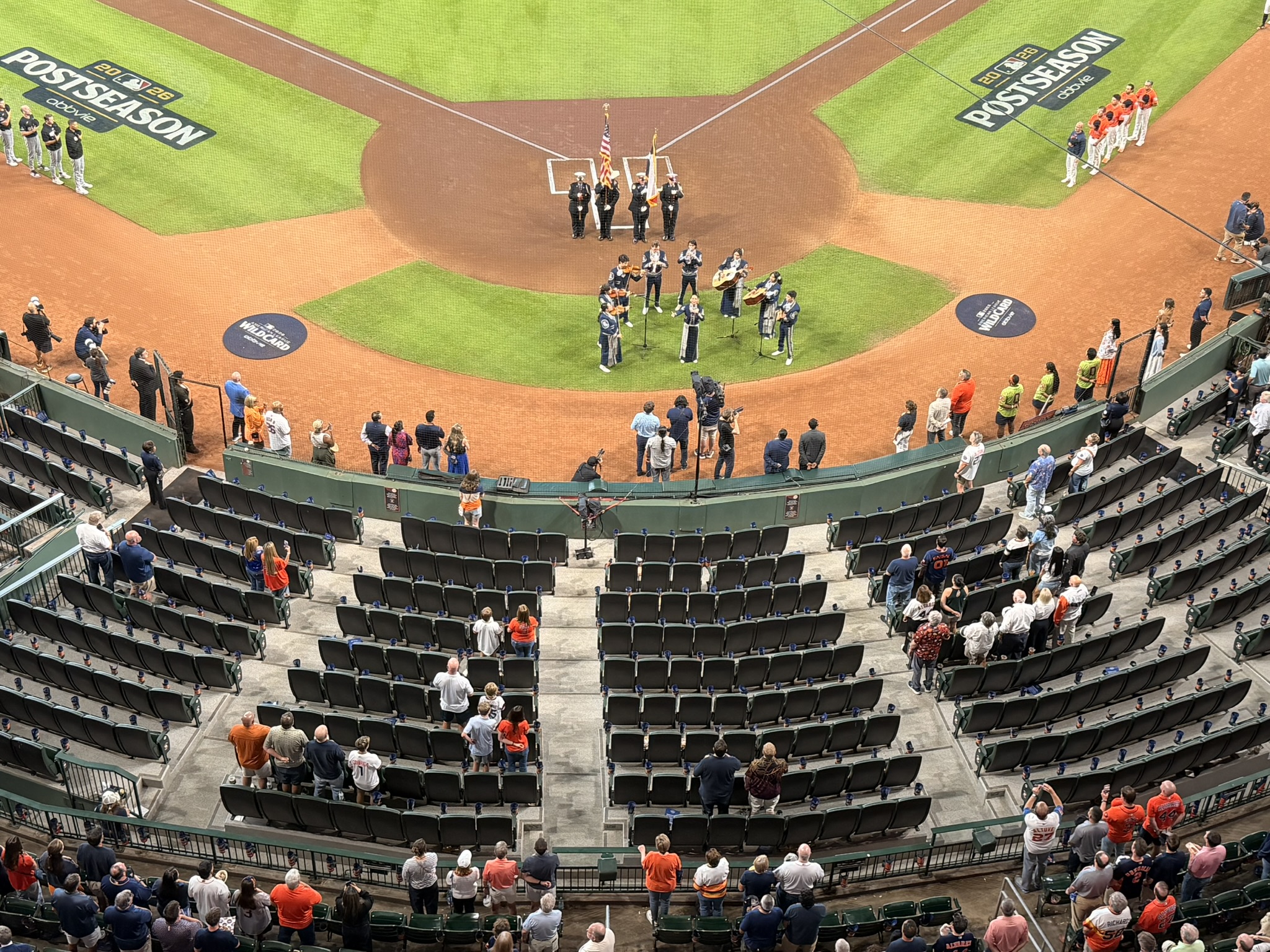
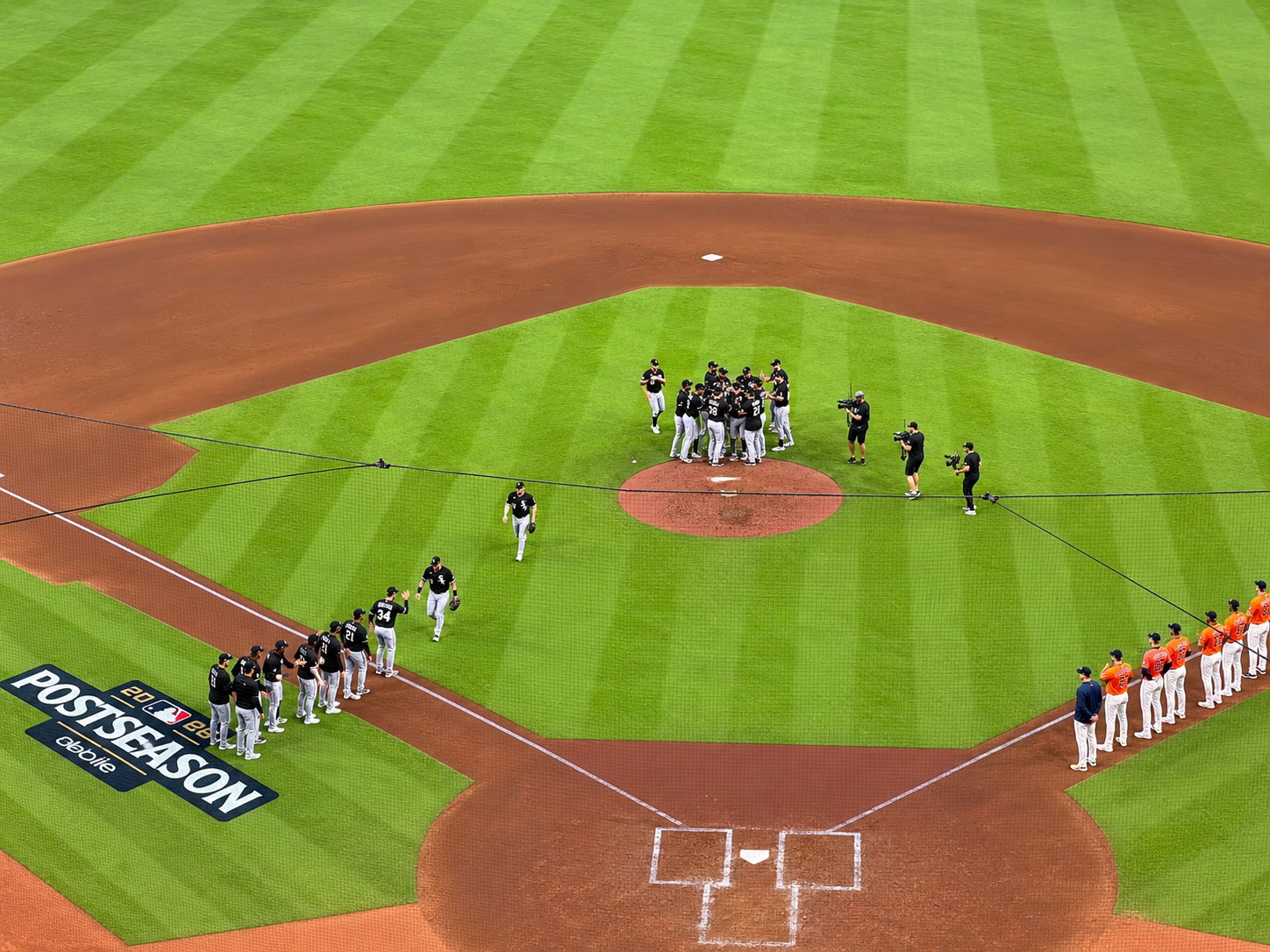
Díaz entered Houston’s Wild Card Series against the Chicago White Sox in excellent form. Over his final 34 regular-season games, he hit .350 with six home runs, 17 RBIs, and a .958 OPS.
Then the postseason arrived.
Díaz went 0-for-8 with four strikeouts as Chicago eliminated Houston in two games. It was the third consecutive postseason in which he struggled to contribute offensively.
Across 29 career postseason at-bats, Díaz has collected just three hits, all singles, for a .103 batting average. He has one RBI and no extra-base hits in October.
Those numbers are undeniably poor, but they also require perspective. Those 29 at-bats are spread across three postseasons, making them too limited a sample to establish whether Díaz struggles specifically because of October pressure.
The Astros should be concerned about Díaz’s postseason production, particularly because the struggles have occurred in separate years. But making a long-term personnel decision primarily because of 29 at-bats would be an overreaction.
His defensive record provides a much stronger basis for evaluating whether Houston needs to change its catching arrangements.
Two Very Different Financial Decisions
Vázquez’s contract situation is straightforward. He earned approximately $1 million in 2026 and is eligible for free agency. Given his age and declining offensive production, a relatively inexpensive short-term agreement could make sense for both parties.
His familiarity with the organization is another advantage, especially as Houston evaluates changes to its pitching staff.
Díaz’s situation is different. He earned $4.5 million in 2026 after winning his first salary-arbitration case and remains under team control for two more arbitration-eligible seasons before potentially reaching free agency after 2028.
Houston therefore has no immediate contractual obligation to move on from him. The Astros can retain Díaz without committing to the kind of expensive, long-term contract that might become a concern if his defensive problems persist.
That gives the organization time to determine whether improvements are possible.
It also means the Astros can explore a different catching arrangement without necessarily trading Díaz or committing to a major acquisition.
One option would be to bring Vázquez back on another inexpensive deal, keeping an experienced catcher familiar with the pitching staff while continuing to develop Díaz defensively.
Another would be to pursue a different backup with stronger receiving and framing skills, particularly if Houston believes those qualities would better support its pitchers.
The decision should depend less on which catcher has the better reputation and more on what the Astros believe their pitching staff needs.
The Bigger Question Is Behind the Plate
Houston’s catching situation is not simply a choice between Díaz’s bat and Vázquez’s experience.
The Astros have a productive offensive catcher whose defense remains questionable, and a veteran backup whose work with pitchers may be valuable but whose bat has become a significant liability.
Neither player offers a complete solution.
The team’s record with Vázquez behind the plate deserves investigation, but it cannot substitute for a detailed evaluation of his receiving, game-calling, and relationships with individual pitchers. Likewise, Díaz’s postseason batting average should not overshadow what he contributed during the regular season.
Houston needs to determine whether Díaz can develop into a more dependable defensive catcher, whether Vázquez remains the best partner for him, and whether another available catcher could improve the position without sacrificing too much offense.
For a club trying to recover from an unsatisfying season, those decisions matter. Catchers influence nearly every pitch, and the consequences of poor defensive execution can extend far beyond their individual statistics.
The Astros already know Díaz can hit, and they know what Vázquez has accomplished.
What they still need to establish is which combination gives their pitching staff—and the team—the best chance to win in 2027.

