















Major League Baseball has a proposal: fewer regular-season games, longer playoff series, more days off, and the possibility of choosing your own postseason opponent. For fans who have spent years complaining about afternoon playoff games, there might even be something worth celebrating.
But baseball’s latest attempt to improve October raises an uncomfortable question. What happens when the league changes the schedule to attract more viewers while some of its most successful franchises are struggling to keep people in the seats?
The Houston Astros offer a particularly revealing example.
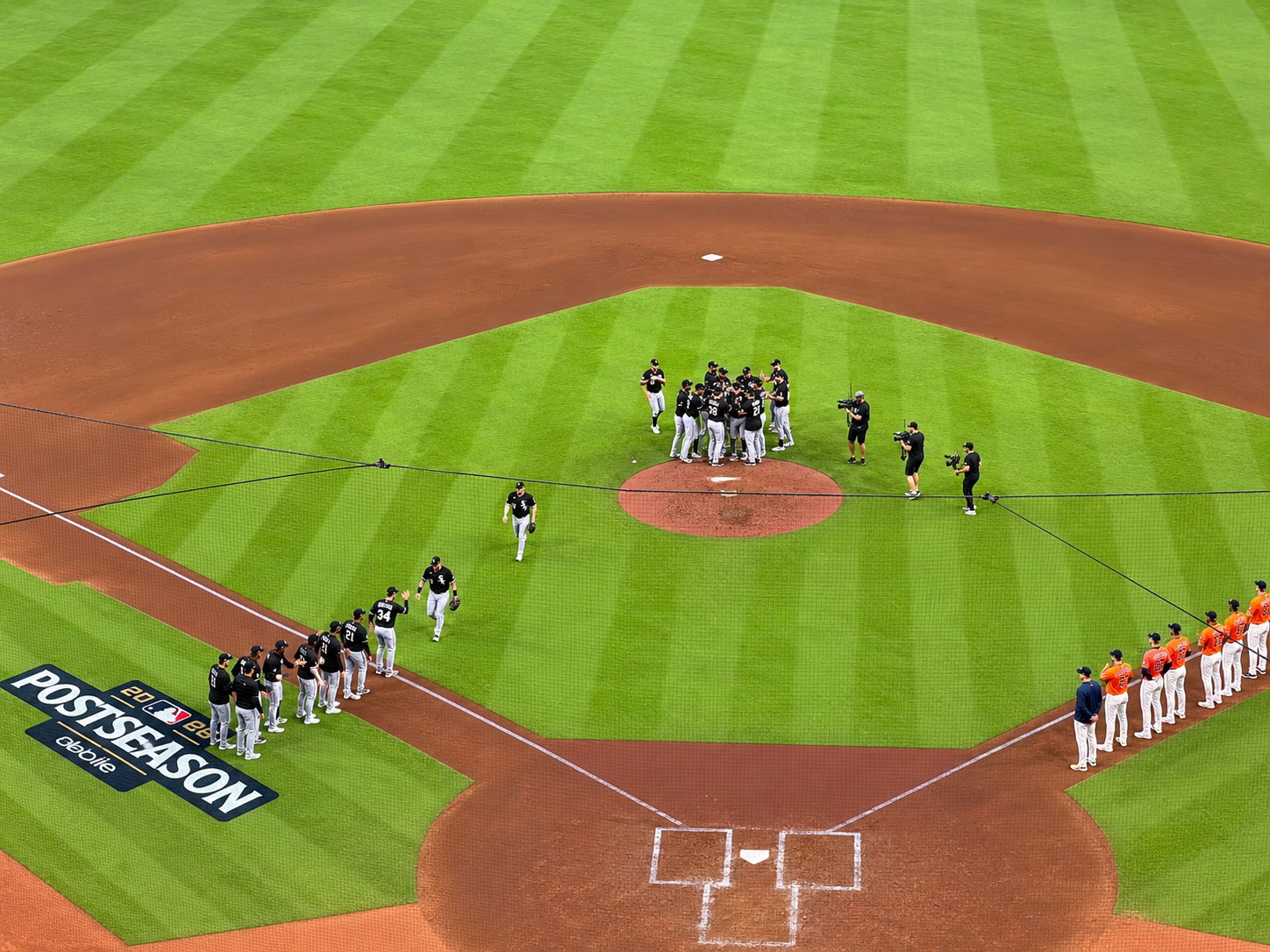
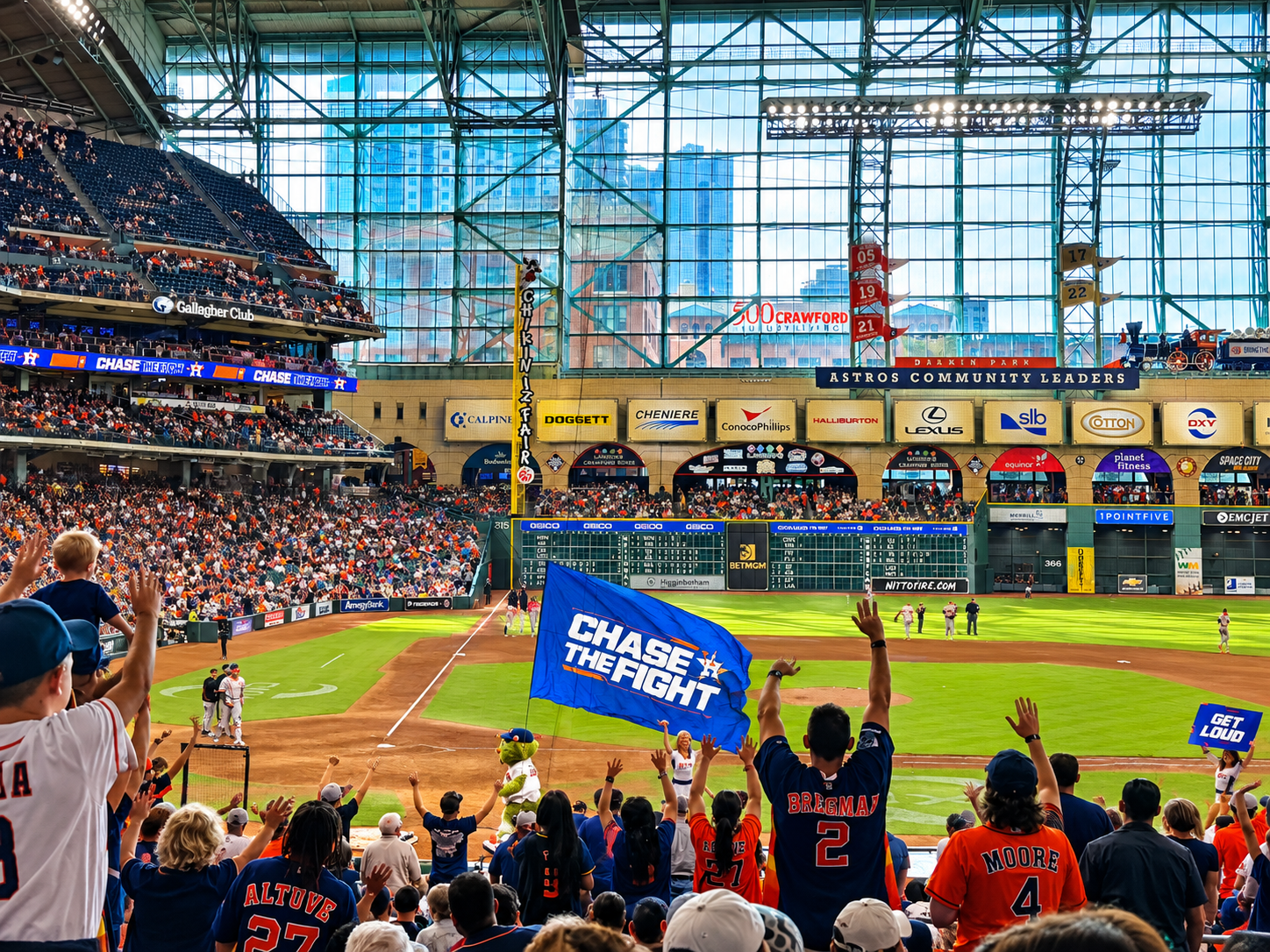
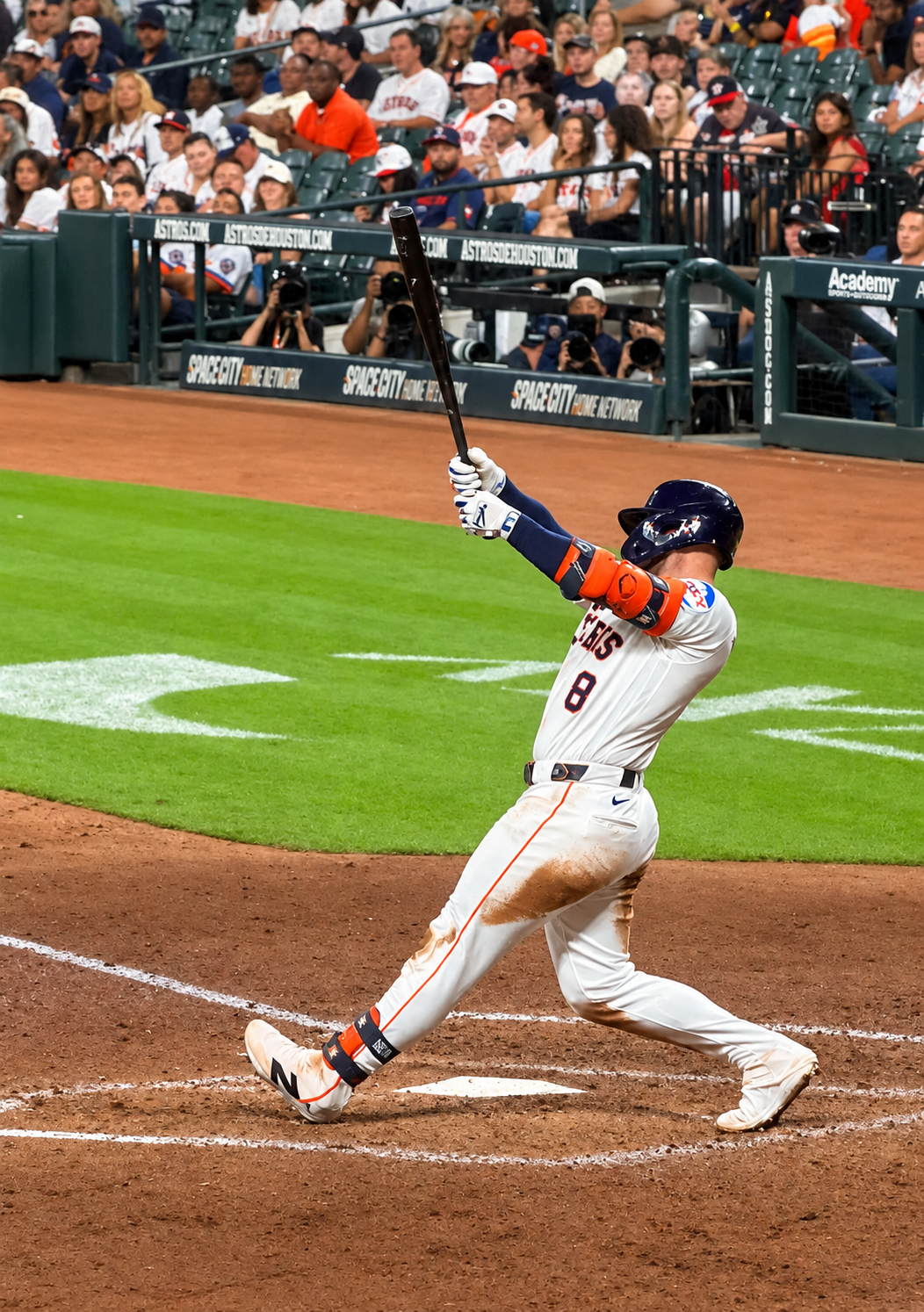
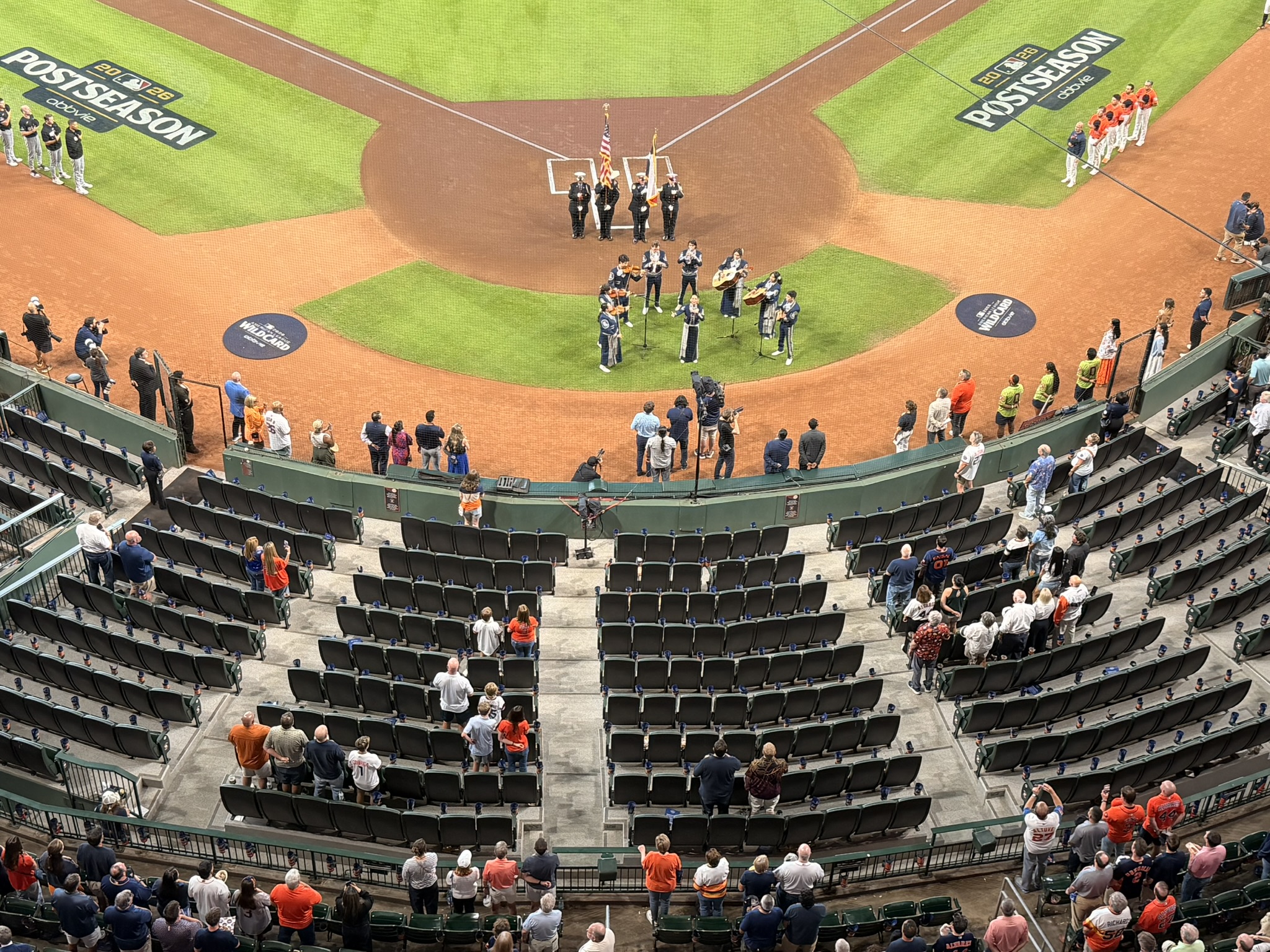
According to an October 6 analysis by Chron sports editor Eddie Maisonet, Astros attendance has declined 19 percent since 2023. Houston’s two Wild Card games against the Chicago White Sox drew an average of just 35,013 fans, leaving Daikin Park at approximately 85 percent capacity.
Now MLB wants to give teams fewer regular-season home dates while creating a potentially longer and more lucrative postseason. Whether that amounts to a better experience for fans is another question.
Fewer Games, More Rest, and a Whole Lot of Mondays Off
MLB’s proposal to the players’ union would reduce the regular season from 162 games to 154 beginning in 2029, returning baseball to a schedule it used for much of the first half of the 20th century.
Most Mondays would become league-wide off days, although MLB could schedule one or two games for exclusive national television coverage. Teams playing on Monday would receive Thursday off instead, with exceptions for holidays and special events. Players would receive their existing salaries despite the shorter schedule, and contractual bonus thresholds would be adjusted proportionally.
There is an obvious benefit to giving players additional recovery time, particularly pitchers whose workloads have become an increasingly prominent concern. MLB also points to fewer player option assignments during weeks with an off day as evidence that additional rest could improve roster stability.
The proposal also calls for four split, separately ticketed doubleheaders per team, one against each divisional opponent.
For fans, a shorter schedule could mean fewer opportunities to see their favorite teams, even as the league attempts to make individual games more attractive television events.
Picking Your Opponent Could Get Interesting
Perhaps the most entertaining proposal has nothing to do with the number of games played. Beginning as early as 2027, higher-seeded playoff teams could choose their opponents rather than simply accept the matchups determined by the bracket.
The third seed in each league would select either the fifth or sixth seed for the Wild Card Series. After that round, the top seed would choose which Wild Card winner it wanted to face in the Division Series.
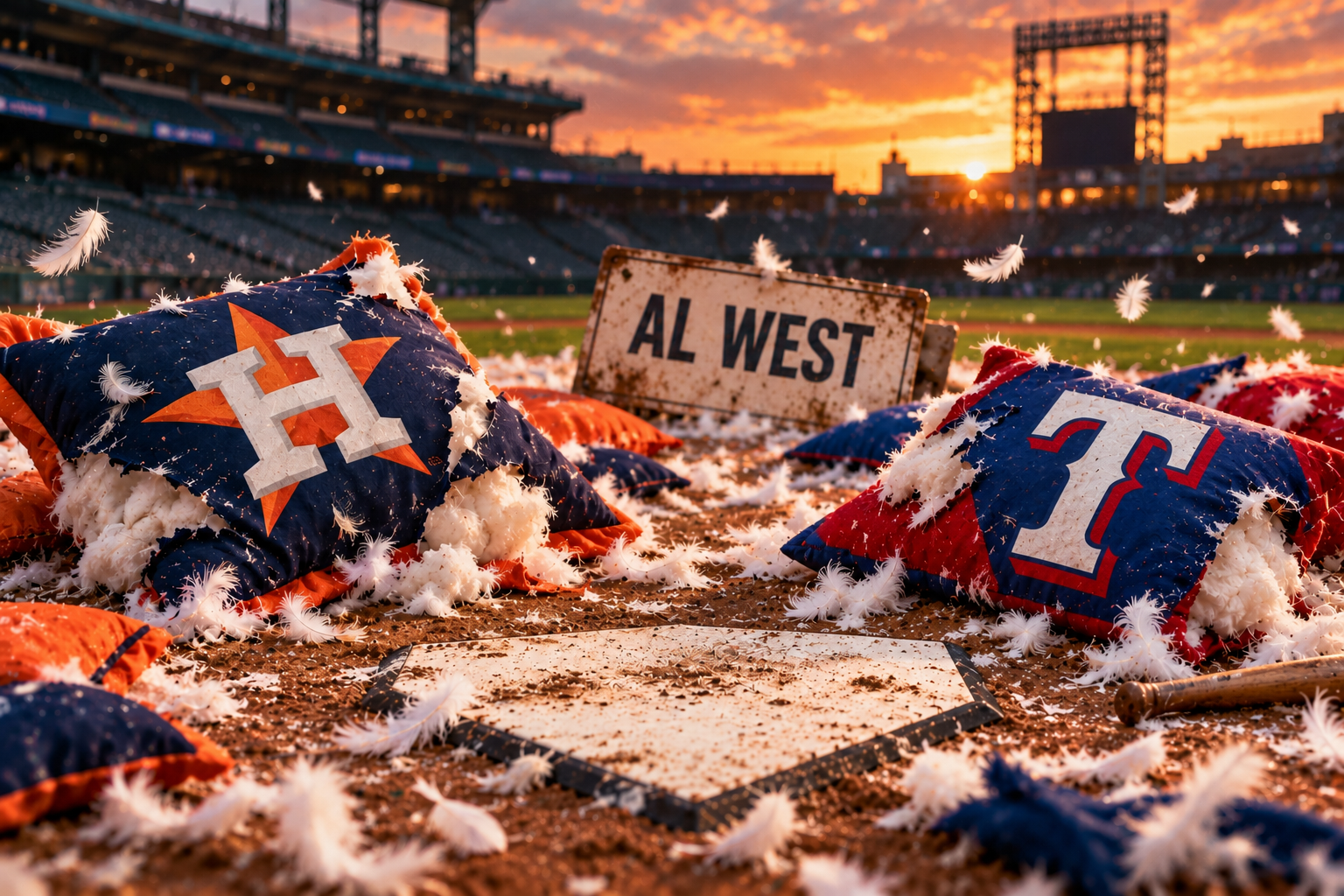
Imagine the Astros announcing they would rather play the White Sox than another opponent, only to be eliminated by Chicago in two games. Houston fans wouldn’t need much imagination. They just watched the White Sox end their season.
Opponent selection would give teams another incentive to finish higher in the standings, but it would also introduce an extraordinary opportunity for embarrassment. A club that chooses the wrong opponent would have nobody to blame for the matchup but itself. And the team being selected? It would enter the series knowing its opponent had publicly decided it represented the easier path.
Baseball could get considerable entertainment out of that alone.
Longer Division Series Could Change Everything
MLB also wants to expand the Division Series from best-of-five to best-of-seven beginning in 2029. The adjustment would create as many as eight additional postseason games and theoretically reduce the likelihood of a strong regular-season team being eliminated because of two or three bad performances.
For teams that invest heavily in their starting rotations, a longer series could be particularly attractive. A seven-game format places greater demands on pitching depth and gives managers more opportunities to adjust after an early loss.
It would also create more postseason broadcasts, with MLB explicitly citing higher television ratings and greater media-rights value among the benefits. That’s an important distinction. MLB is proposing eight fewer regular-season games per club while creating additional opportunities to sell October baseball.
The league may genuinely believe that longer Division Series would improve competitive fairness. The financial incentives are difficult to overlook.
Houston Has Already Seen the Problem With Afternoon Games
One element of the proposal should be especially appealing to Astros fans. MLB wants to stagger the start of postseason series and reduce the number of weekday afternoon games, rather than crowding several playoff matchups into the same day.
Houston’s Wild Card opener against Chicago began at 4 p.m. CT on a Tuesday. For fans working traditional hours, attending a weekday postseason game at that time can require leaving work early, navigating rush-hour traffic, and paying postseason prices for tickets, parking, and concessions.
Only 34,011 fans attended.
The second game drew a larger crowd, but the two-game average remained well below capacity.
An earlier start time was undoubtedly a consideration for some fans. But it cannot explain the broader attendance decline.
Maisonet’s Chron analysis found that Houston drew 580,229 fewer fans in 2026 than in 2023, an average decrease of 7,163 per game. Attendance fell 9.4 percent in 2026 alone, the franchise’s steepest year-over-year decline since 2012.
Those numbers point to something more complicated than inconvenient scheduling.
Fewer Games Won’t Fix Empty Seats
The Astros enjoyed extraordinary attendance during their championship era. Winning created excitement, encouraged season-ticket purchases, and made October baseball feel almost inevitable.
But the franchise has spent the past several seasons losing familiar players, struggling with consistency, and facing increasing questions about its direction. Houston finished 81-81 in 2026, won the American League West, and promptly lost both postseason games to Chicago.
The empty seats at Daikin Park were difficult to ignore.
Some observers have suggested that Astros fans have become spoiled by success. There’s undoubtedly some truth to the idea that expectations change after four World Series appearances and two championships.
But fans aren’t obligated to purchase expensive tickets simply because a franchise was successful a few years earlier. And if MLB believes eliminating afternoon playoff games will encourage attendance, Houston provides a reminder that convenience is only one part of the equation.
A shorter regular season might make individual games feel more valuable. It might also create additional pressure on teams to deliver a competitive product.
For Astros owner Jim Crane, the league’s proposed changes would do little to solve the immediate challenge of restoring confidence in the organization. That will depend much more on what happens in Houston’s front office, on the roster, and ultimately on the field.
The Salary Cap Could Stop Everything
None of the proposed changes is guaranteed to happen.
MLB has tied the package to acceptance of a salary-cap and salary-floor system, which the Major League Baseball Players Association strongly opposes. The current collective bargaining agreement expires December 1, and the disagreement over a salary cap could overshadow discussions about scheduling and postseason improvements.
MLB argues that its proposed structure would improve player health, create better television opportunities, and make October more compelling. The players’ union sees the salary-cap requirement as a fundamental threat to player compensation and bargaining rights.
Until that dispute is resolved, the proposed schedule remains exactly that—a proposal.
And there’s something revealing about the entire conversation. MLB wants fewer games that matter less, more games that matter more, and a postseason designed to maximize attention.
Those are reasonable goals. But Houston’s declining attendance illustrates the part of the equation that cannot be solved through television scheduling or a redesigned playoff bracket.
Baseball can make October easier to watch. Giving fans a reason to show up is still the responsibility of the teams.

