
The Houston Astros are reshaping their player-development operation with three new hires whose backgrounds in biomechanics, performance science, and technology-driven training could help address weaknesses in the organization’s minor-league system.
Conner Watson, Spencer Medick, and Clayton Thompson are joining Houston’s player-development leadership after working with the Cleveland Guardians, New York Yankees, and Los Angeles Dodgers organizations, respectively. All three also have experience with Driveline Baseball, a training organization known for its individualized hitting and pitching programs.
The Athletic first reported the hires, while the Houston Chronicle subsequently provided additional details about the Astros’ objectives. Among the most significant is a renewed emphasis on developing pitching velocity throughout the minor-league system.
The appointments come as Houston attempts to strengthen a farm system that has struggled to produce sufficient organizational depth. The Astros finished the 2026 regular season at 81-81, leaving new general manager Randy Flores with the challenge of maintaining a competitive major-league roster while improving the pipeline of young talent.
Pitching Velocity Emerges as a Priority
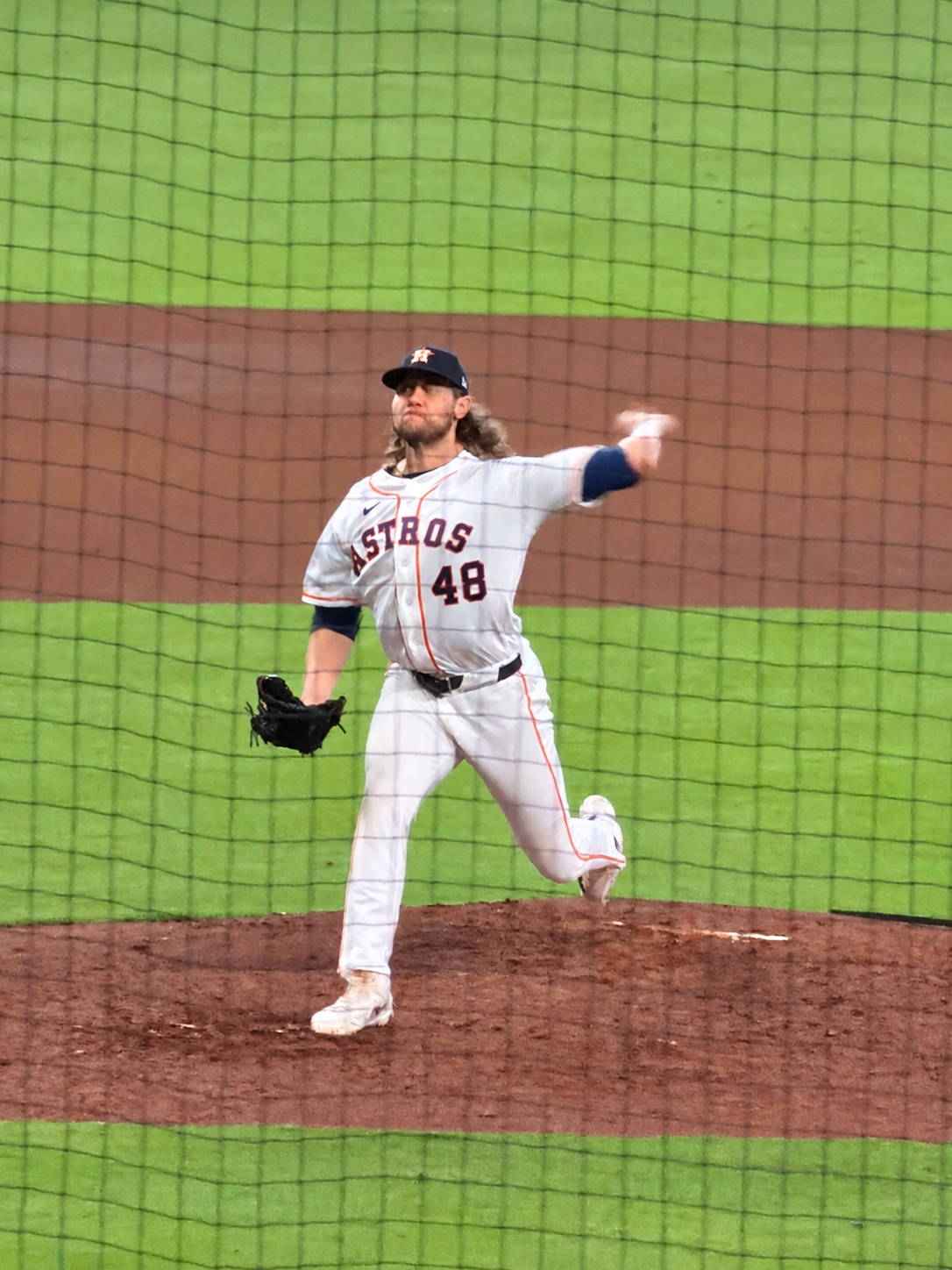
Medick joins Houston as director of pitching after five seasons in the Yankees’ minor-league system, most recently serving as pitching coach for Triple-A Scranton/Wilkes-Barre. His previous assignments included the Florida Complex League and High-A.
According to Astros director of player development Sam Niedorf, increasing fastball velocity was a priority during the organization’s search for a new pitching director.
Houston has ranked among the bottom three to five organizations in average minor-league fastball velocity across levels ranging from Triple-A to the Dominican Summer League in recent seasons.
The concern is significant because velocity can influence how effectively pitchers compete as they advance through the minor leagues. Although velocity alone does not determine success, pitchers who can generate greater speed may have more opportunities to develop effective combinations of pitches.
Medick brings experience with individualized throwing programs, mechanical adjustments, and strength-based training designed to improve pitchers’ physical capabilities.
The Astros’ major-league pitching staff has also shown room for improvement in velocity. Houston ranked 15th in average velocity across fastball types in 2026, according to Baseball Savant, and 22nd in four-seam fastball velocity. Its relievers ranked 24th in the latter category.
Those major-league figures provide additional context, although Niedorf specifically identified the minor-league system’s velocity deficiencies as the concern motivating the hire.
Watson Will Coordinate Hitting Development
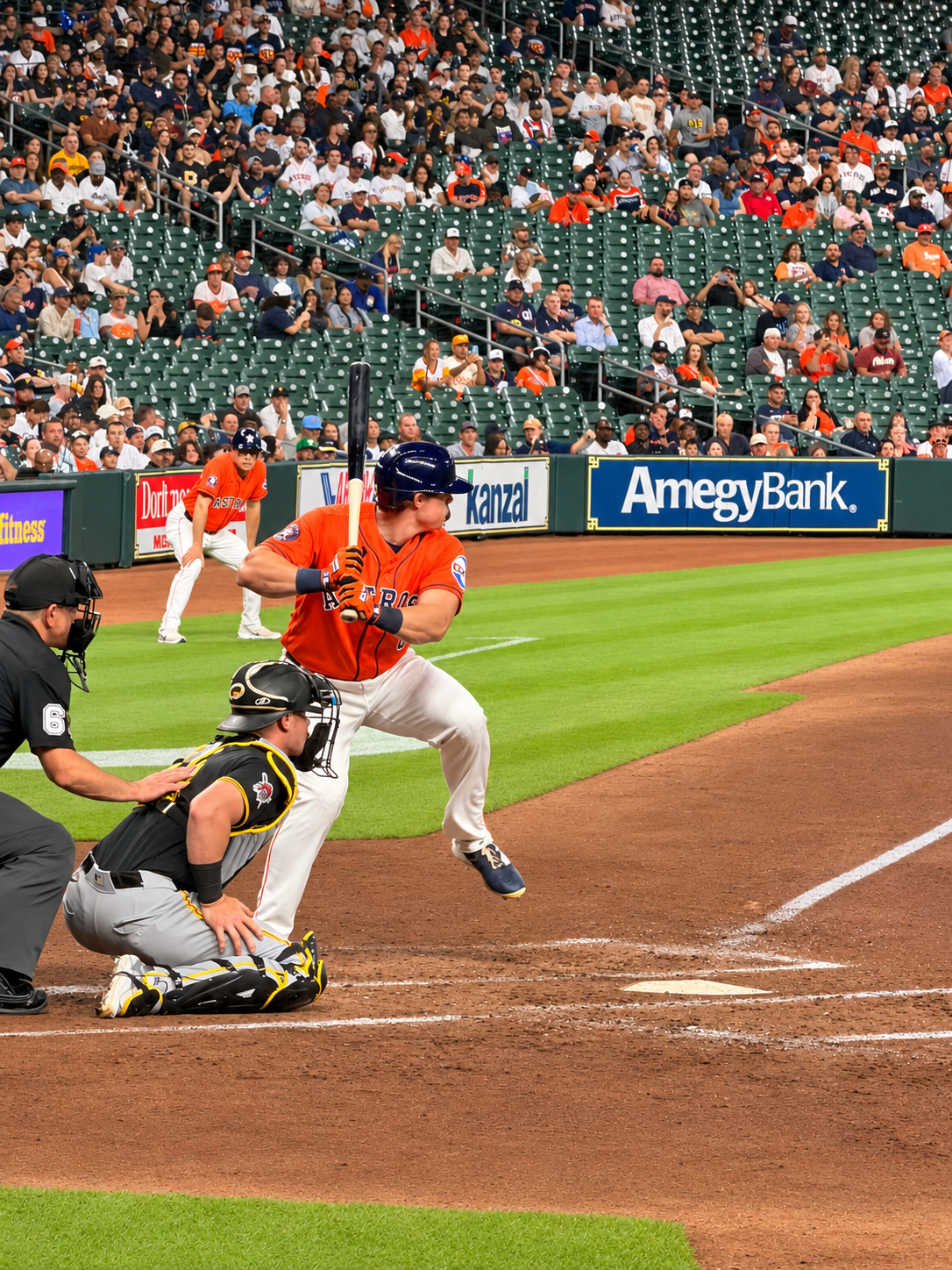
Watson becomes Houston’s director of hitting after spending two seasons as Cleveland’s assistant director of hitting development.
Before joining the Guardians, he spent three years as a lead hitting instructor at Driveline’s Arizona facility, where his work involved individualized instruction and the application of performance technology.
Watson’s responsibilities will extend beyond overseeing conventional hitting instruction. Niedorf described a collaborative approach involving hitting coaches, strength and conditioning personnel, athletic trainers, nutrition specialists, and performance-science staff.
That coordination is intended to help the Astros develop training plans that account for each player’s physical characteristics, mechanics, and developmental needs.
Watson replaces Dan Hennigan, who left the organization in August to become a hitting coach at Wake Forest University.
Although Watson and Medick may occasionally collaborate with Houston’s major-league coaching staff, their principal responsibilities will involve directing instruction throughout the minor-league system.
Thompson Adds Performance Science Experience
Thompson joins the Astros as assistant director of player development following three seasons with the Dodgers.
He most recently served as Los Angeles’ coordinator of integrated performance, a position centered on bringing together different areas of player preparation, training, and development.
Thompson previously worked in research and development at Driveline, giving him experience in the analytical and technological aspects of baseball performance.
His appointment complements those of Watson and Medick by adding another official familiar with connecting scientific research, physical training, and on-field instruction.
Together, the three hires suggest Houston is seeking greater coordination among departments that have traditionally operated with distinct responsibilities.
A Farm System in Need of Improvement
The Astros’ player-development changes arrive amid continuing concerns about the organization’s minor-league depth.
Baseball America ranked Houston’s farm system 25th among MLB’s 30 organizations in its midseason evaluation. MLB Pipeline and ESPN placed the Astros 29th.
Those rankings reflect an organization that has struggled to replenish its prospect pipeline while attempting to sustain success at the major-league level.
Houston has continued to develop promising players, but increasing the number capable of advancing through the system and contributing in the majors remains a priority.
Improving pitching velocity represents one measurable objective. Better coordination among hitting instructors, conditioning personnel, and performance specialists could also help the Astros identify and address developmental weaknesses earlier in a player’s career.
Niedorf told the Chronicle that the three hires’ shared Driveline backgrounds were coincidental rather than a requirement of the search process. The organization valued their willingness to challenge existing practices and introduce different approaches to player development.
Houston is therefore assembling a staff with complementary experience rather than formally adopting a single outside training philosophy.
A New Structure for Flores
The appointments were made before Flores officially became Houston’s general manager, giving him new leadership in several important areas of player development as he begins his tenure.
Flores brings extensive scouting and player-evaluation experience to an organization confronting difficult decisions about its future roster construction.
The new development staff will be responsible for turning that organizational investment into measurable progress. Increased pitching velocity, improved individual training plans, and stronger coordination among instructors are worthwhile objectives, but their value ultimately depends on whether more prospects reach the major leagues prepared to contribute.
For Houston, the challenge is larger than hiring three officials with impressive credentials. The Astros must establish a development system capable of sustaining the organization beyond its current core of major-league players.
The new hires represent an investment in that process. Whether it succeeds will become evident as Houston’s next generation of prospects advances through the system.