





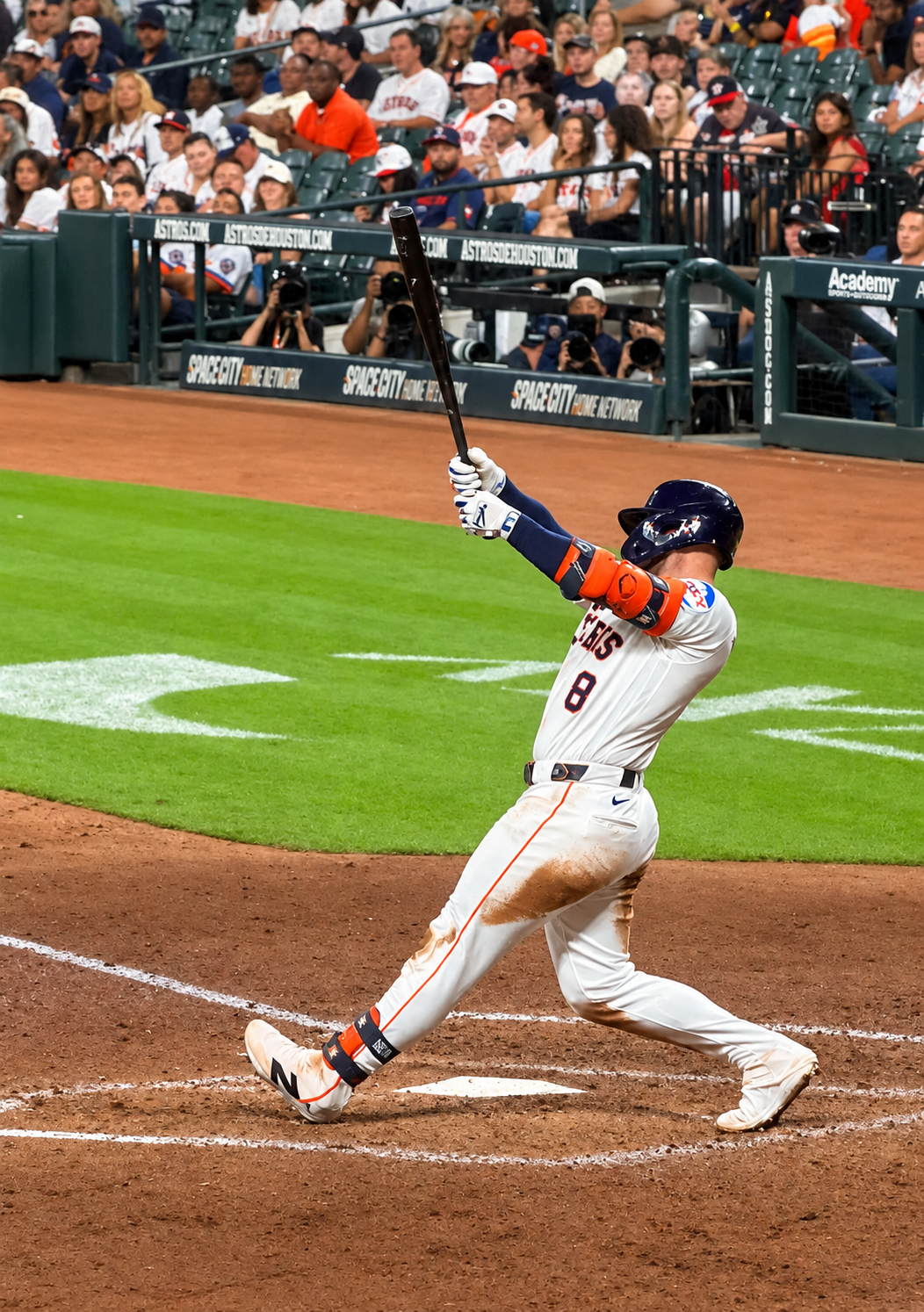
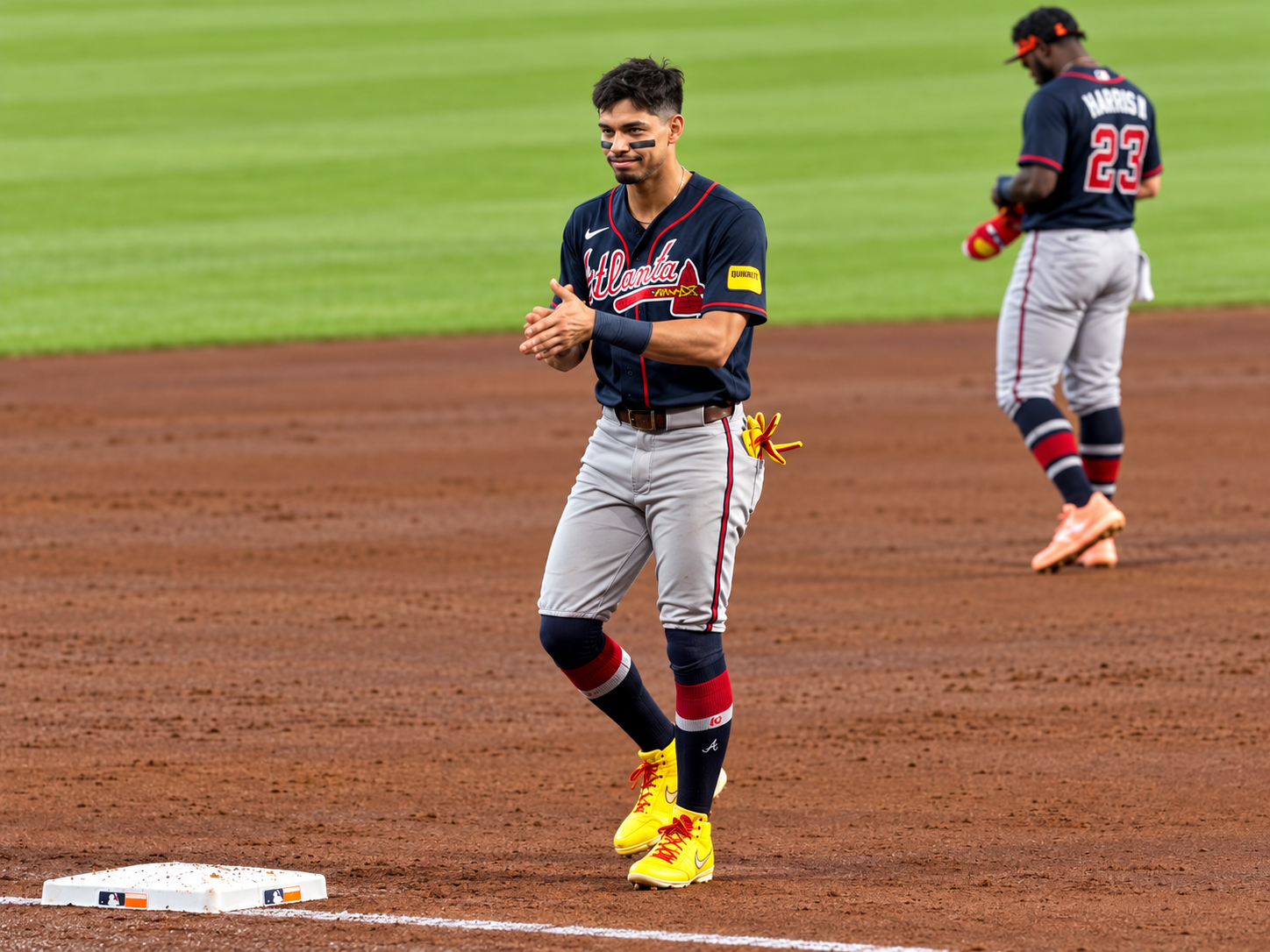

The Houston Astros could certainly use Mauricio Dubón again. The more interesting question is why Dubón would want to come back.
Houston traded the two-time Gold Glove winner to the Atlanta Braves last November to create payroll flexibility, receiving infielder Nick Allen in return. The Astros saved approximately $4.7 million in salary commitments, but they also surrendered one of their most versatile and popular players.
A year later, Dubón has completed one of the best seasons of his career, while the Astros are facing an offseason filled with questions about their roster, leadership, and direction.
With Dubón approaching free agency, a reunion is theoretically possible. For Astros fans who still miss Dubi, the idea is certainly appealing. But after finally getting the opportunity he wanted in Atlanta, returning to Houston might not be nearly as attractive to him.
Atlanta Gave Dubón Room to Shine
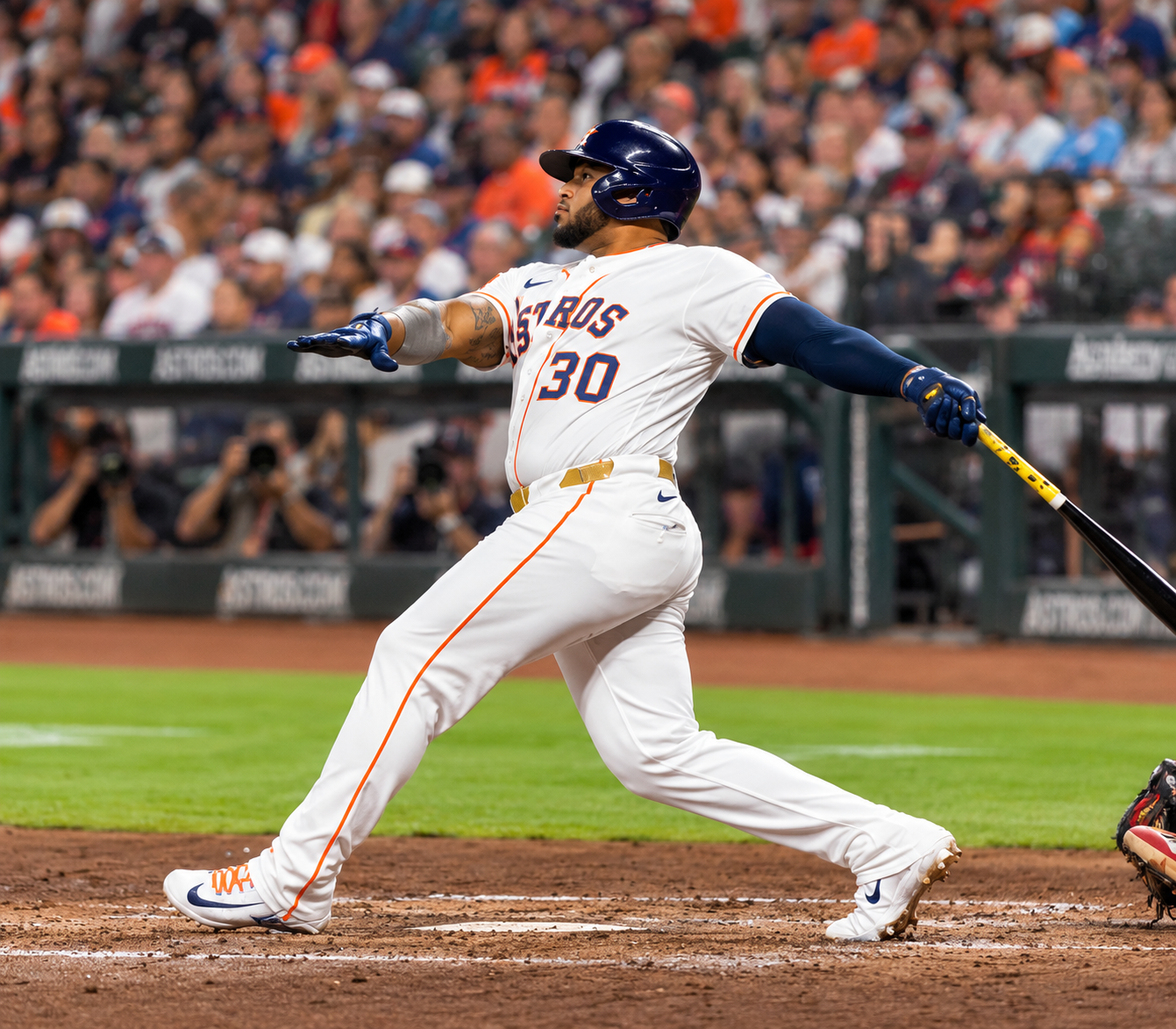
Dubón spent most of his four seasons with Houston doing whatever the Astros needed. He played throughout the infield and outfield, provided dependable defense, and developed into one of baseball’s most accomplished utility players.
He won American League Gold Glove Awards in 2023 and 2025, becoming a valuable member of the Astros’ championship-era roster. Yet the very versatility that made him indispensable also made it difficult for him to establish a consistent everyday role.
Atlanta offered him a different opportunity, and Dubón made the most of it. In 153 games during the 2026 regular season, he batted .276 with 12 home runs, 73 RBIs, 10 stolen bases, and a .719 OPS. Both his home run and stolen base totals were career highs, while his 2.7 Baseball-Reference WAR matched the best mark of his career.
Those numbers aren’t going to make Dubón an offensive superstar, but they demonstrate the value of a player who can contribute consistently without being confined to one position. His ability to handle shortstop, third base, and the outfield gave Atlanta considerable flexibility, particularly when injuries complicated the Braves’ roster.
Perhaps more importantly, Dubón finally received the regular playing time he had wanted for years. In a June interview with The Atlanta Journal-Constitution, he said he had waited six years for that kind of opportunity. He also expressed interest in discussing a contract extension with Atlanta if the terms made sense for him and his family.
Dubón wasn’t simply enjoying a productive season. He was enjoying a role he had worked years to obtain, and he had little reason to want that opportunity taken away.
Houston Could Use Exactly What It Traded Away
The Astros’ decision to move Dubón was primarily financial. Houston was looking to create room in its budget to pursue pitching, and replacing Dubón’s $6.1 million salary with Allen’s approximately $1.4 million commitment helped accomplish that objective.
There was a baseball argument for the trade, too. Allen was younger, had additional years of team control, and offered excellent infield defense. But trading Dubón also meant surrendering his ability to provide dependable outfield coverage.
The 2026 season complicated that decision. Houston struggled to find consistent production from its outfield throughout the year. Injuries, uneven performances, and the difficulty of finding reliable combinations created problems throughout the season.
Dubón wouldn’t have solved every offensive issue, but his ability to move between the infield and outfield would have given Houston another dependable option. He could have provided defensive relief at second base, handled shortstop or third base when needed, and helped cover outfield vacancies without forcing the Astros to sacrifice much defensively.
His 2026 offensive production would also have been useful for a club that struggled to generate consistent offense.
None of this means Allen was a poor acquisition. He appeared in 94 games, batted .283 with a .720 OPS, and contributed 1.3 bWAR while providing quality infield defense. In limited opportunities, he gave Houston more offensive production than many anticipated.
The difference was how the two players could be used. Allen helped address the Astros’ infield needs, while Dubón gave the Braves the freedom to adjust their entire defensive alignment.
Houston saved money and acquired a useful player. Atlanta received a versatile regular who became an important contributor to its postseason team. The trade made sense within Houston’s financial priorities, but whether those priorities produced the best baseball outcome is considerably more debatable.
The Braves Know What They Have
If the Astros are entertaining thoughts of bringing Dubón back, they would have competition from the organization that just gave him his biggest opportunity.
Following Atlanta’s elimination by the Los Angeles Dodgers in the Division Series, Braves president of baseball operations Alex Anthopoulos spoke favorably about Dubón’s season and his potential future with the club.
Anthopoulos praised his performance, his contributions as a teammate, and his ability to handle shortstop. He also indicated that Atlanta intends to use its exclusive negotiating window with pending free agents to explore possible agreements.
The Braves have an immediate reason to retain him. They need a dependable shortstop, and Dubón has demonstrated that he can contribute at the position while remaining available for other assignments. Atlanta also appears to value the qualities that made Dubón popular in Houston: his preparation, defensive versatility, and clubhouse presence.
In its October 9 examination of Atlanta’s pending free agents, The Atlanta Journal-Constitution described Dubón as one of the club’s most valuable players and suggested he could attract considerable interest on the open market.
That puts Dubón in a far different position than he occupied last November. When Houston traded him, he was a veteran utility player approaching the final year of salary arbitration. Now he is approaching free agency after setting career highs in home runs, RBIs, and stolen bases, with a realistic opportunity to pursue a multiyear contract and greater control over his next destination.
This time, he has an opportunity to choose his next destination from a position of strength.
Would Returning to Houston Really Be a Step Forward?
There are reasons Dubón might consider a return. He spent four successful seasons with the Astros, helped win the 2022 World Series, and developed relationships with teammates and coaches. Houston also remains the organization where he earned both of his Gold Gloves.
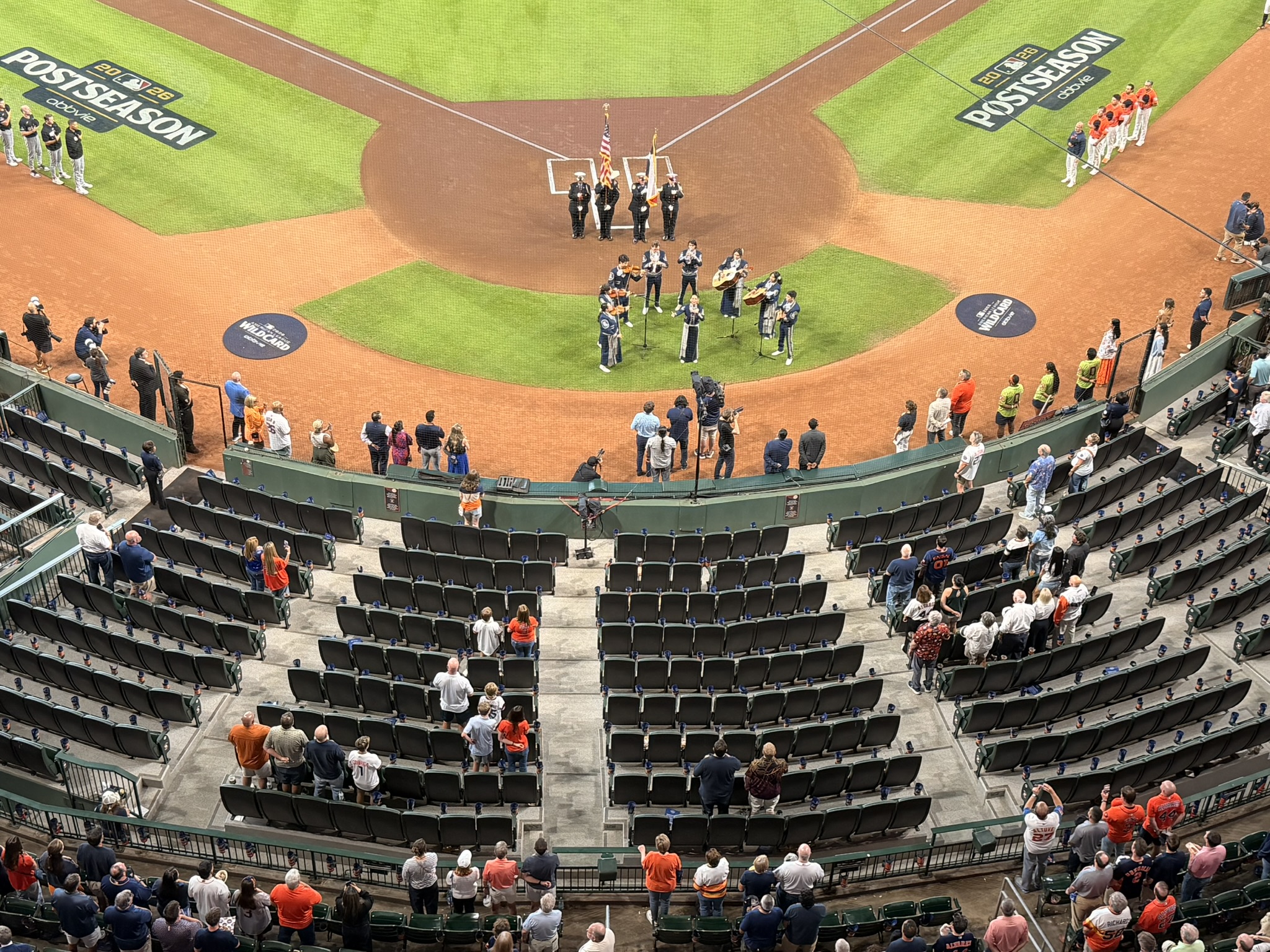
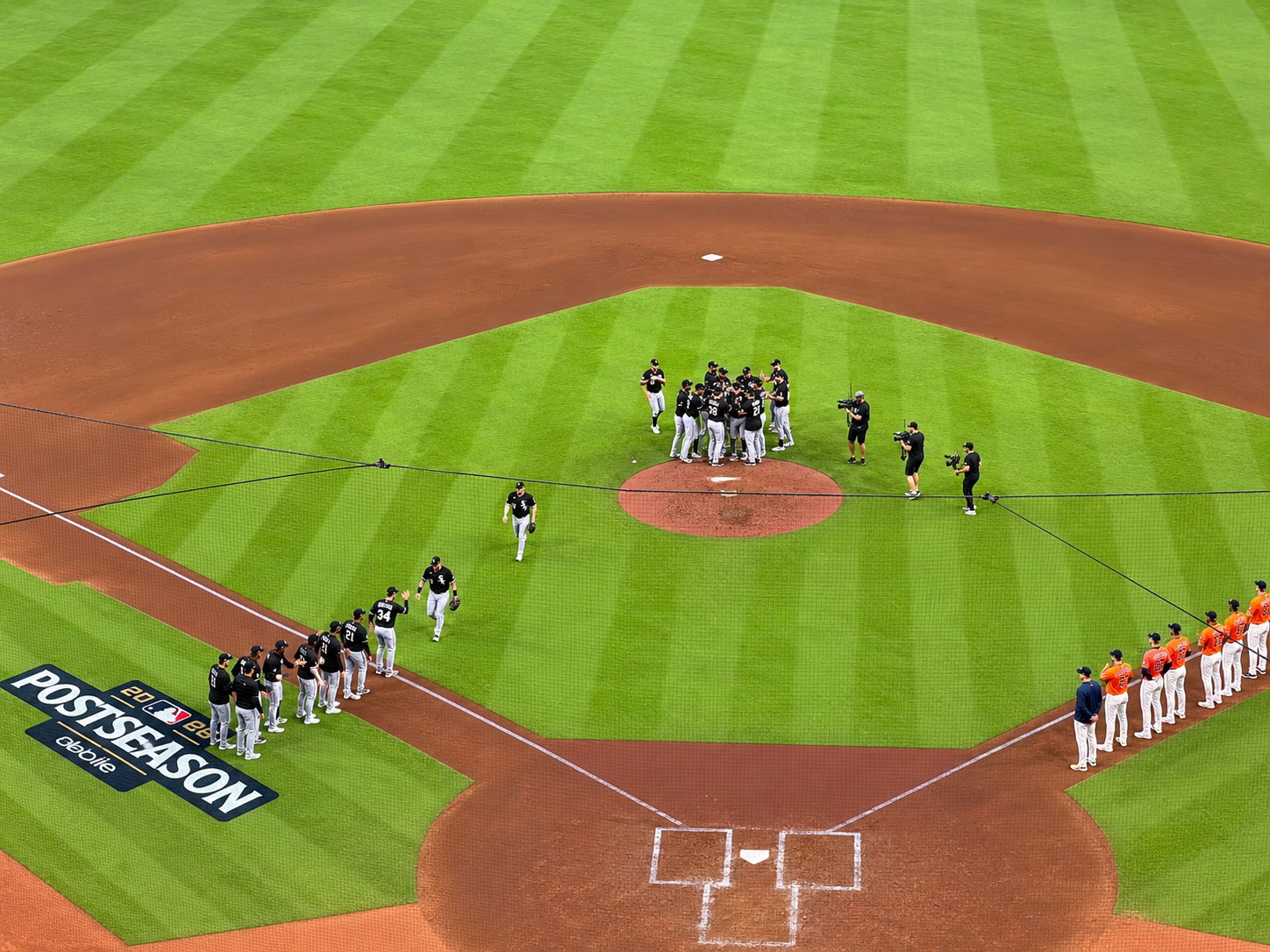
But the Astros would be asking him to return to a considerably different situation. Houston finished 81-81 in 2026, won the American League West despite its struggles, and was eliminated by the Chicago White Sox in two Wild Card games. The organization now faces important decisions involving its baseball operations leadership, coaching staff, roster construction, and long-term direction.
Dubón, meanwhile, has just spent a season demonstrating that he can thrive with regular playing time. Would Houston guarantee him a meaningful role? Could the Astros offer a competitive multiyear contract? And would the organization be willing to pay considerably more for the same versatility it decided was too expensive a year earlier?
Those aren’t insignificant questions, particularly for a player who has an opportunity to secure another contract at 32. Spending the next several years moving in and out of the lineup might be considerably less appealing than remaining somewhere he has already established himself as a regular contributor.
The Astros can certainly make a case for needing him. Making a case that he needs the Astros would be much more difficult. And while familiarity and friendships matter, Dubón has already shown that he can succeed outside Houston. He doesn’t need to return to prove anything.
Sometimes the Best Outcome Isn’t a Reunion
There is a sentimental appeal to seeing Dubón wearing an Astros uniform again. He was a familiar face during some of Houston’s best seasons, a player who could be counted on to make a difficult defensive play or step into an unfamiliar position without complaint.
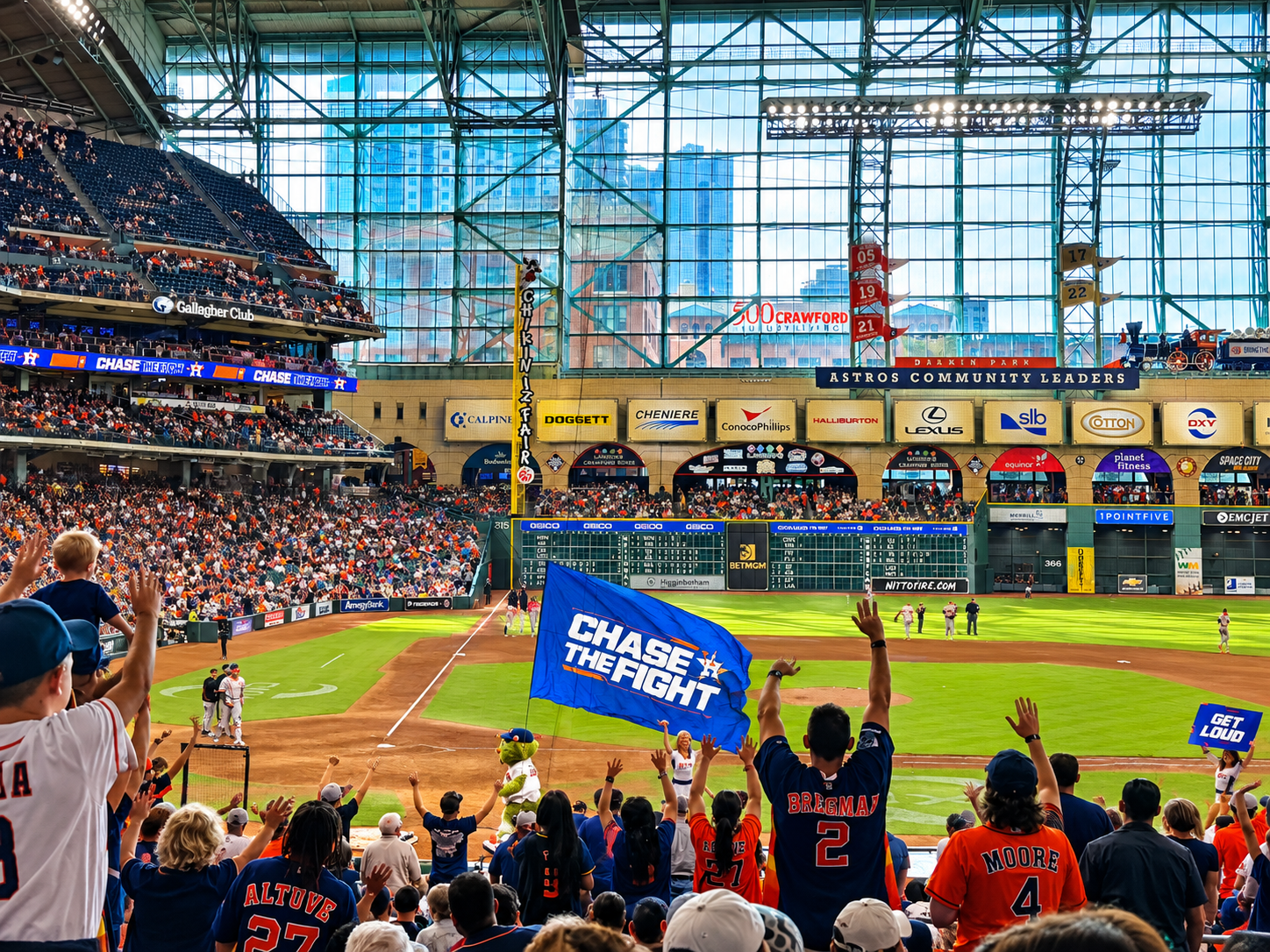
Houston fans made their feelings about Dubón unmistakably clear when the Braves visited Daikin Park on September 18. The Astros welcomed him back with a video tribute, and the crowd responded with a standing ovation. When Dubón stepped to the plate for his first at-bat, the applause began again.
The reception was emotional enough to bring Dubón to tears. After years of being traded and wondering whether he’d ever receive that kind of welcome, he finally experienced it in Houston. It was a reminder that although the Astros had decided to move on, their fans hadn’t.
He was also easy to appreciate because his contributions often went beyond what appeared in the box score. But liking a player doesn’t necessarily mean wanting him back under any circumstances.
Houston is entering an uncertain offseason after a disappointing season, and there’s no guarantee that bringing Dubón back would restore the stability the team has lost. He would still be joining an organization facing major questions about its future, with a roster that needs considerable attention.
Atlanta gave him an opportunity to play more regularly, and he responded with one of the strongest seasons of his career. If the Braves offer him a competitive contract and a substantial role, he would have compelling reasons to stay. Other clubs may offer attractive opportunities as well.
For Astros fans, that creates an uncomfortable possibility. The player they would love to welcome home might be better served by continuing his career elsewhere.
Houston traded Dubón because it believed the money could be better spent. He responded by proving his worth to another organization, and now the Astros may find that replacing what they lost is more expensive than retaining him would have been.
Dubón has expressed interest in remaining with Atlanta, and Braves president of baseball operations Alex Anthopoulos has spoken favorably about retaining him. A return to Houston remains hypothetical, but even if the Astros eventually come calling, the decision belongs to him.
Dubi gave Houston four good seasons, two Gold Gloves, and a World Series championship. He owes the organization nothing more.
The Astros could certainly use him again. For those who appreciated everything he brought to Houston, though, seeing him continue to succeed—and receive the opportunity he deserves—might be worth more than bringing him back.

