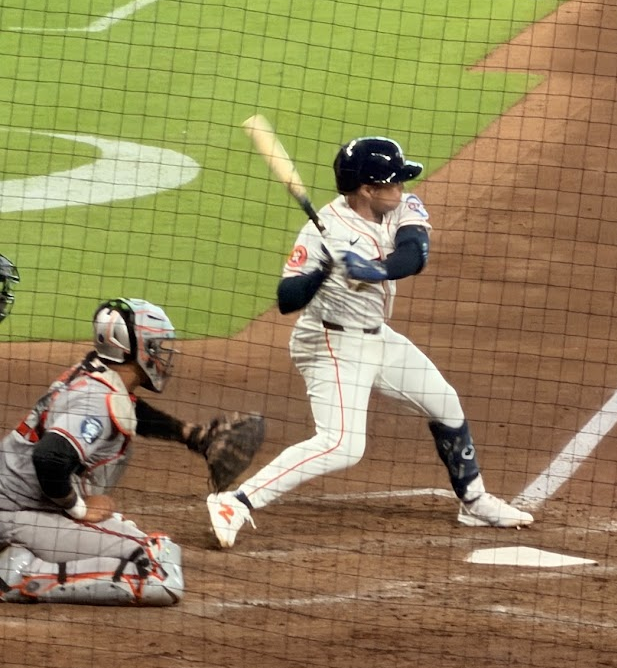


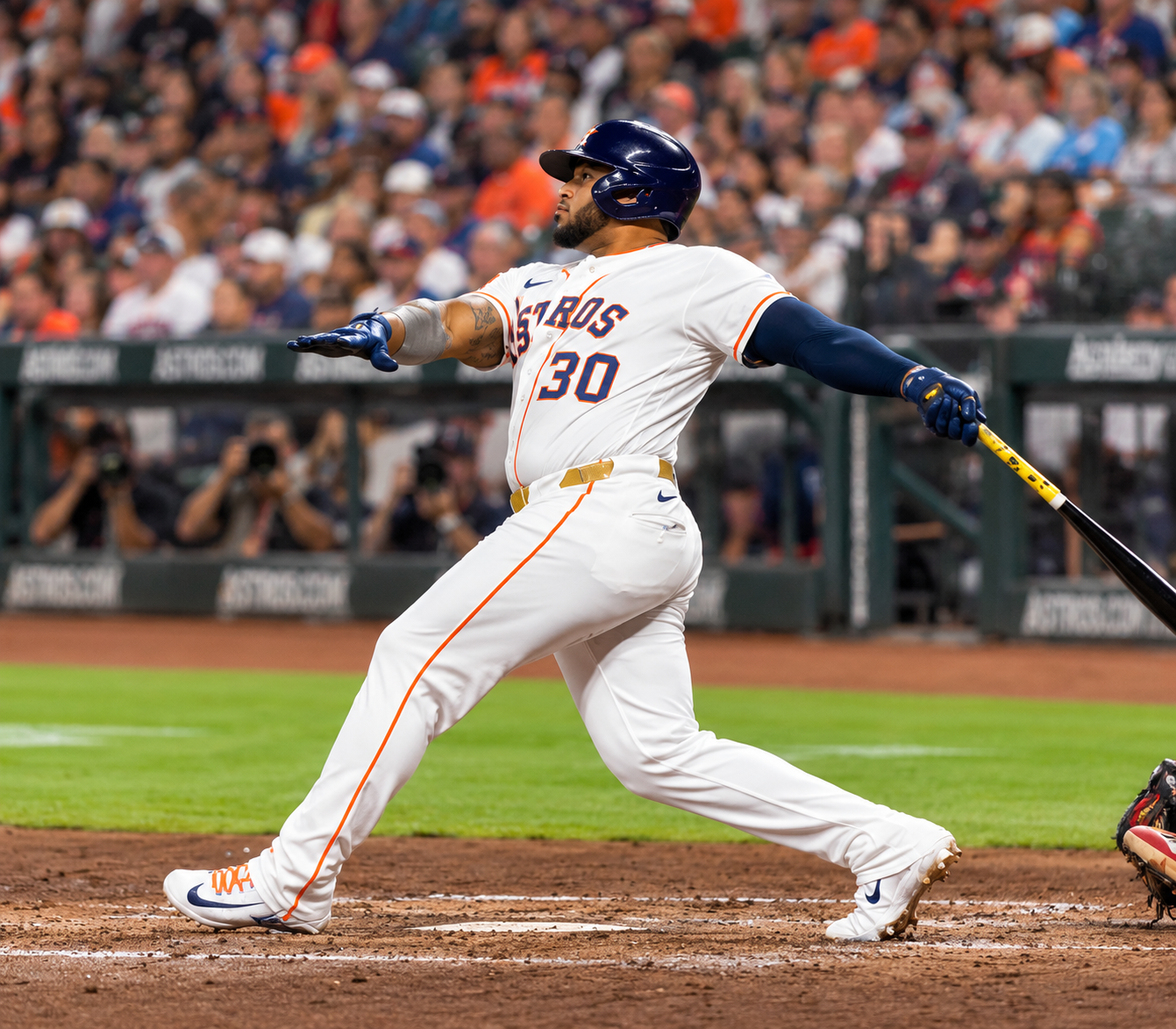




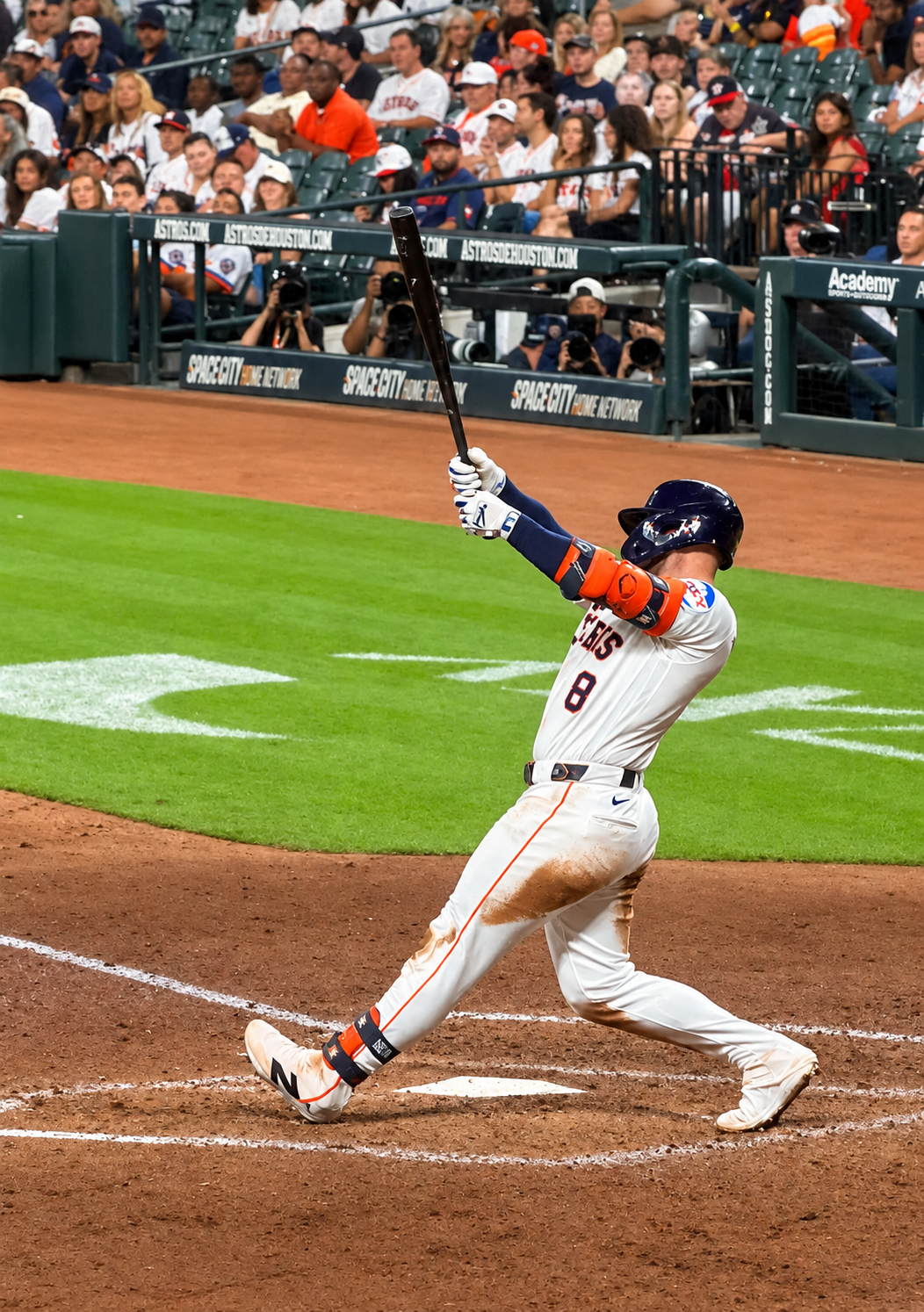
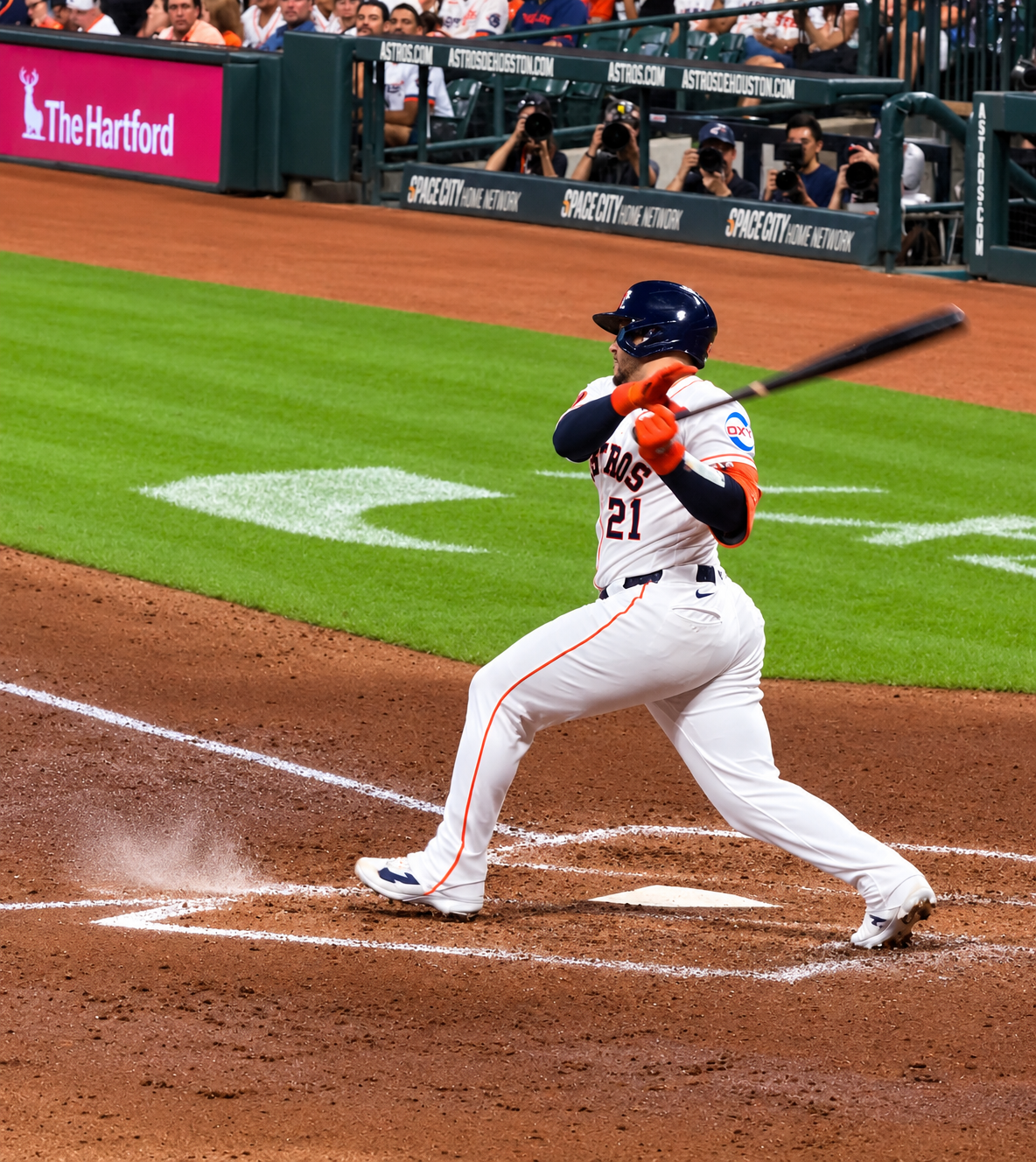
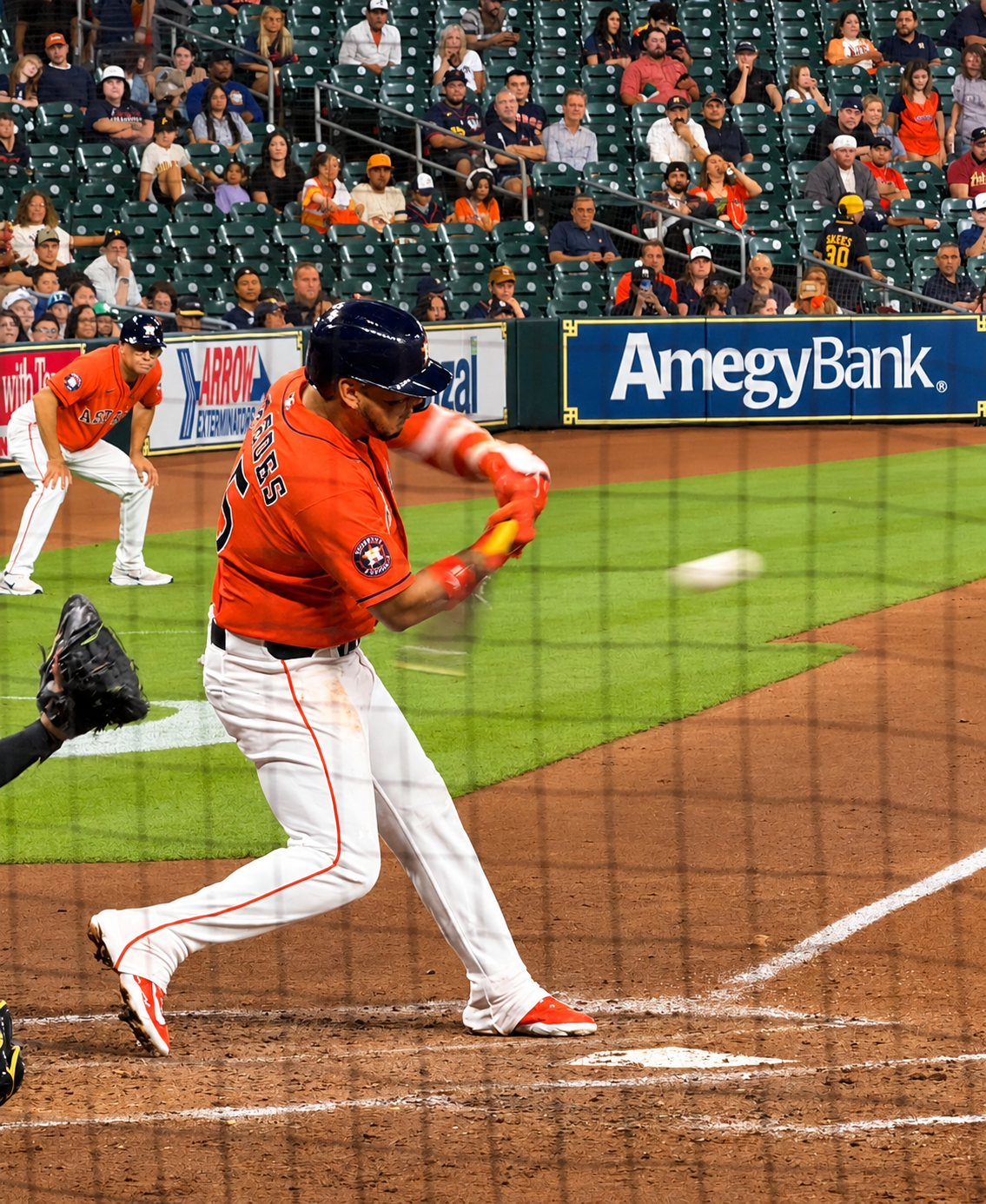
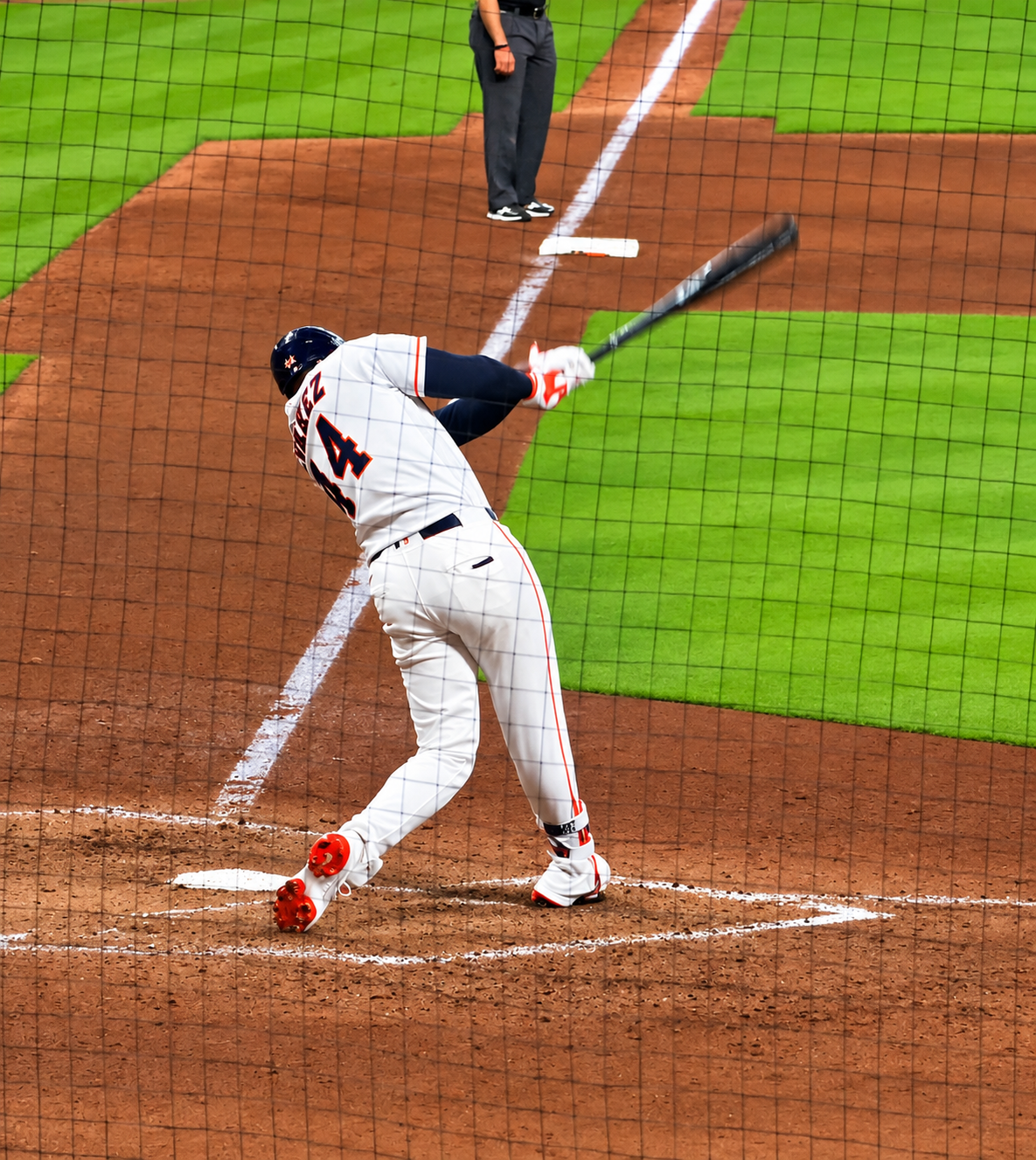
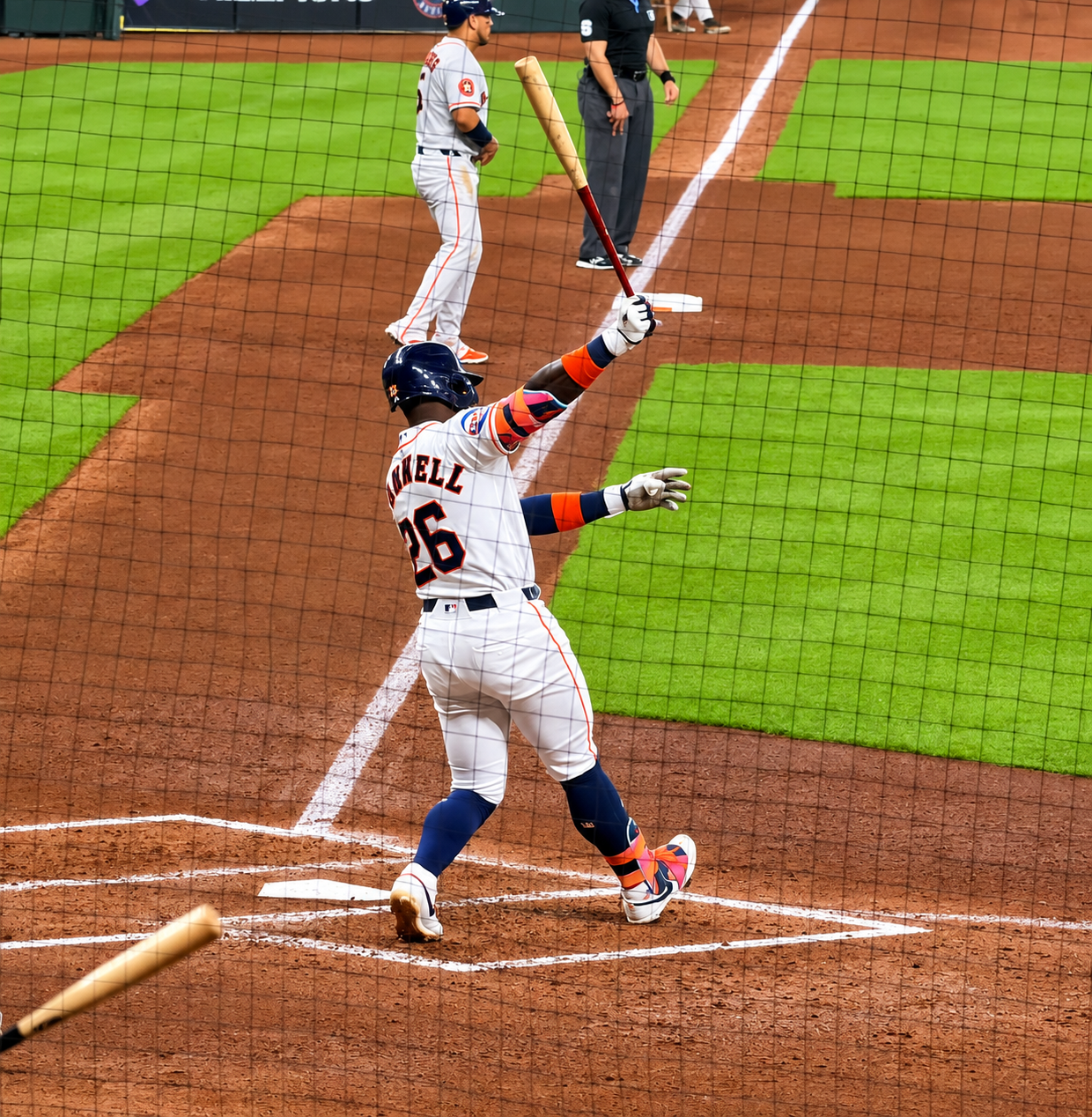
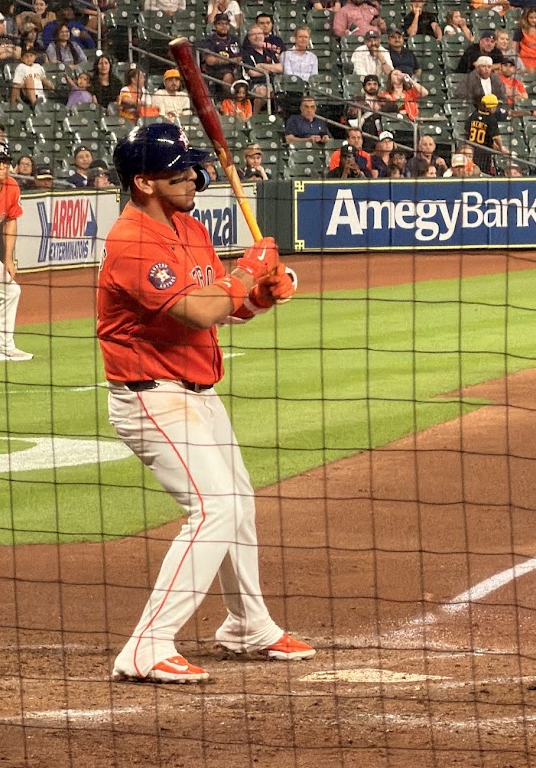

There was a time this year when Isaac Paredes looked like a player the Astros might not keep.
Now he looks like one they couldn’t afford to lose.
Paredes arrived at spring training in February with his future in Houston anything but certain. Carlos Correa had taken over at third base after Paredes injured his hamstring the previous summer, José Altuve remained at second, Christian Walker was at first, and Yordan Alvarez occupied the designated hitter spot. The Astros had more infielders than obvious places to put them, and Paredes’ name repeatedly surfaced in trade speculation.
MLB.com reported in February that Houston had explored trading Paredes during the offseason to alleviate the infield logjam, although the chances of a deal before Opening Day had become slim. Paredes’ assessment of all the speculation was characteristically brief.
“Out of my control,” he said.
Manager Joe Espada, however, pushed back against the idea that Paredes should be viewed as merely a useful extra piece.
“I don’t see Paredes as a plug-in,” Espada said during spring training. “This guy is an All-Star. This guy is an everyday player. We have a plethora of really good players, and they all need to be in the lineup.”
Finding those at-bats was initially easier said than done. Paredes even opened the season on Houston’s bench, with the Astros planning to move him among first, second, and third base and designated hitter to keep his bat in the lineup.
Then the bat gave them another problem to solve.
Paredes’ first two full months were uneven. He hit .263 with a .732 OPS in April, then slipped to .222 with a .693 OPS in May. At times, he was candid about the quality of his plate appearances.
“I started really slow,” Paredes said during a subsequent hot streak. “I recognize that, but I think this is a long season and I think at any point it can turn around and I can help the team.”
He did.
Paredes hit .277/.377/.500 in June, producing five home runs, 21 RBIs and an .877 OPS. He followed with a .281/.375/.461 July, adding four homers and 15 RBIs with an .836 OPS.
Across those two months, Paredes drove in 36 runs.
By late June, his name was still appearing on lists of potential trade candidates. MLB.com called him the Astros veteran most likely to be dealt if Houston decided to move players, noting both his remaining club control and the possibility of using him to replenish the farm system or acquire pitching.
But the calculation was changing.
The Astros weren’t looking at an expendable bench bat. They were getting meaningful production from a two-time All-Star who could play multiple positions, work a walk and provide power in the middle of the order. Paredes had become more valuable as a trade asset, certainly, but also more difficult for a team trying to win the AL West to replace.
Espada summed up what Paredes could do during a three-game home run streak in early June. “He’s getting pitches to hit and he’s not missing them,” Espada said. “When he gets hot, he can really carry our team.”
The Astros have needed that production during a season in which injuries and inconsistency have repeatedly forced them to reconfigure the lineup. Paredes has supplied it from several spots in the order and several positions on the field. His overall numbers—.254/.346/.415 with 15 home runs and 62 RBIs through 115 games—don’t suggest a career year. His value to this particular Astros team is harder to capture in one line.
There have been changes away from the field, too.
When Paredes reported to camp, he had just announced his engagement to Paulina Quiroz, and the couple was expecting a son in July. Isaac Jr. has since arrived. What began as a year filled with questions, personally and professionally, has become one of considerable change.
There is still another decision coming.
Houston signed Paredes to a $9.35 million deal for 2026 that includes a $13.35 million club option for next season. If Paredes finishes among the top 10 in AL MVP voting, that club option converts to a mutual option.
A few months ago, that future could reasonably be discussed in terms of what Paredes might bring Houston in a trade.
Now the more relevant question may be what it would cost the Astros to replace him.
Paredes hasn’t made himself untouchable. Few players ever are. And an August in which he has cooled considerably is a reminder not to turn two excellent months into something they’re not.
But that’s also what makes his season worth examining. Paredes didn’t suddenly become a different player. He took a roster situation in which his place was uncertain and steadily made himself more necessary to the team trying to find a place for him.
Back in March, Espada insisted the Astros would find at-bats for Paredes because he was an everyday player.
Five months later, finding a place for Isaac Paredes doesn’t look much like a problem anymore.
Heading to Daikin Park soon? Check our complete Astros promotions schedule before your next game.