








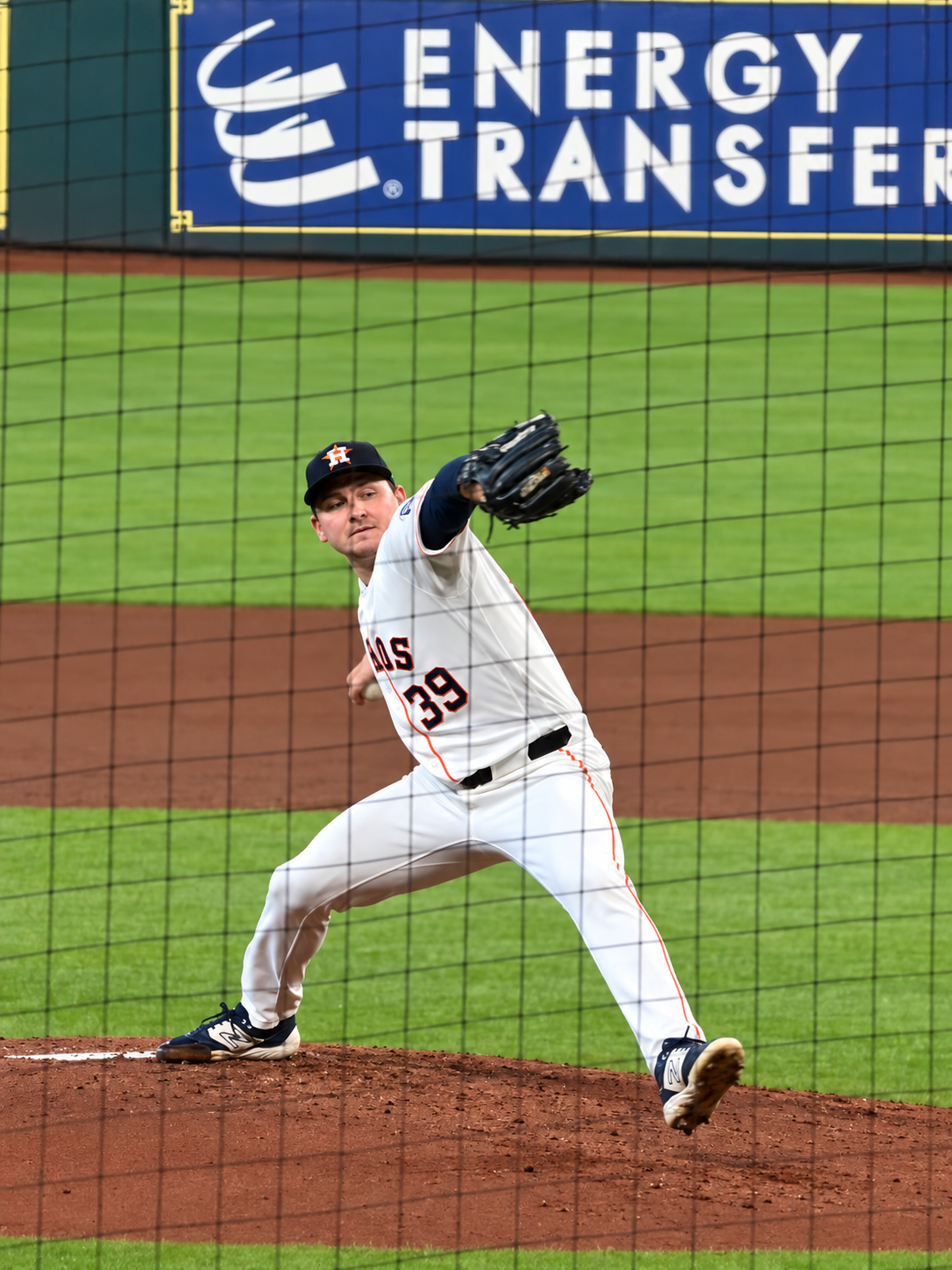
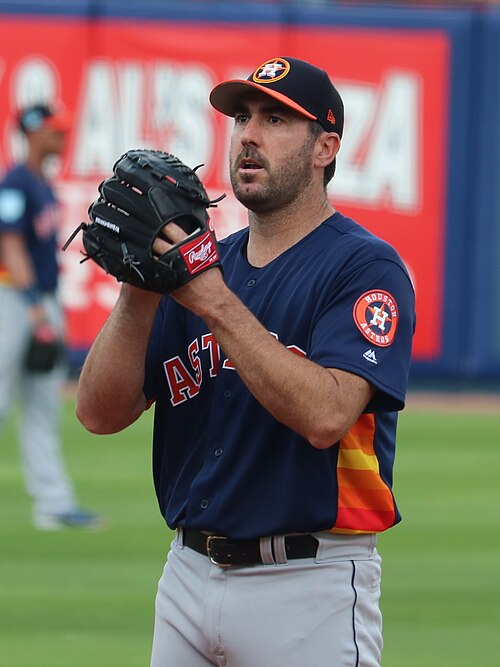

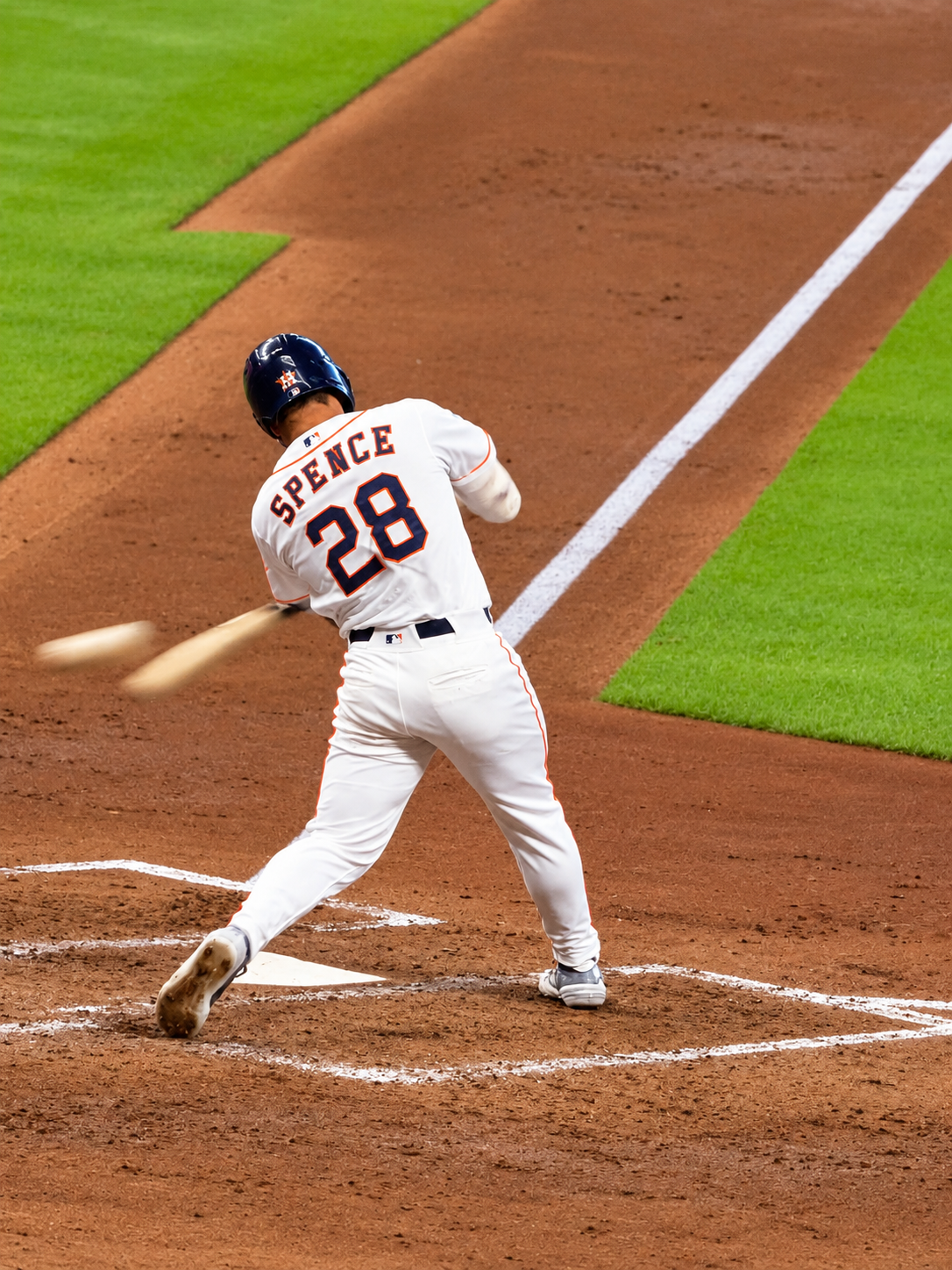


The Houston Astros are making history. It is not the kind anyone wanted.
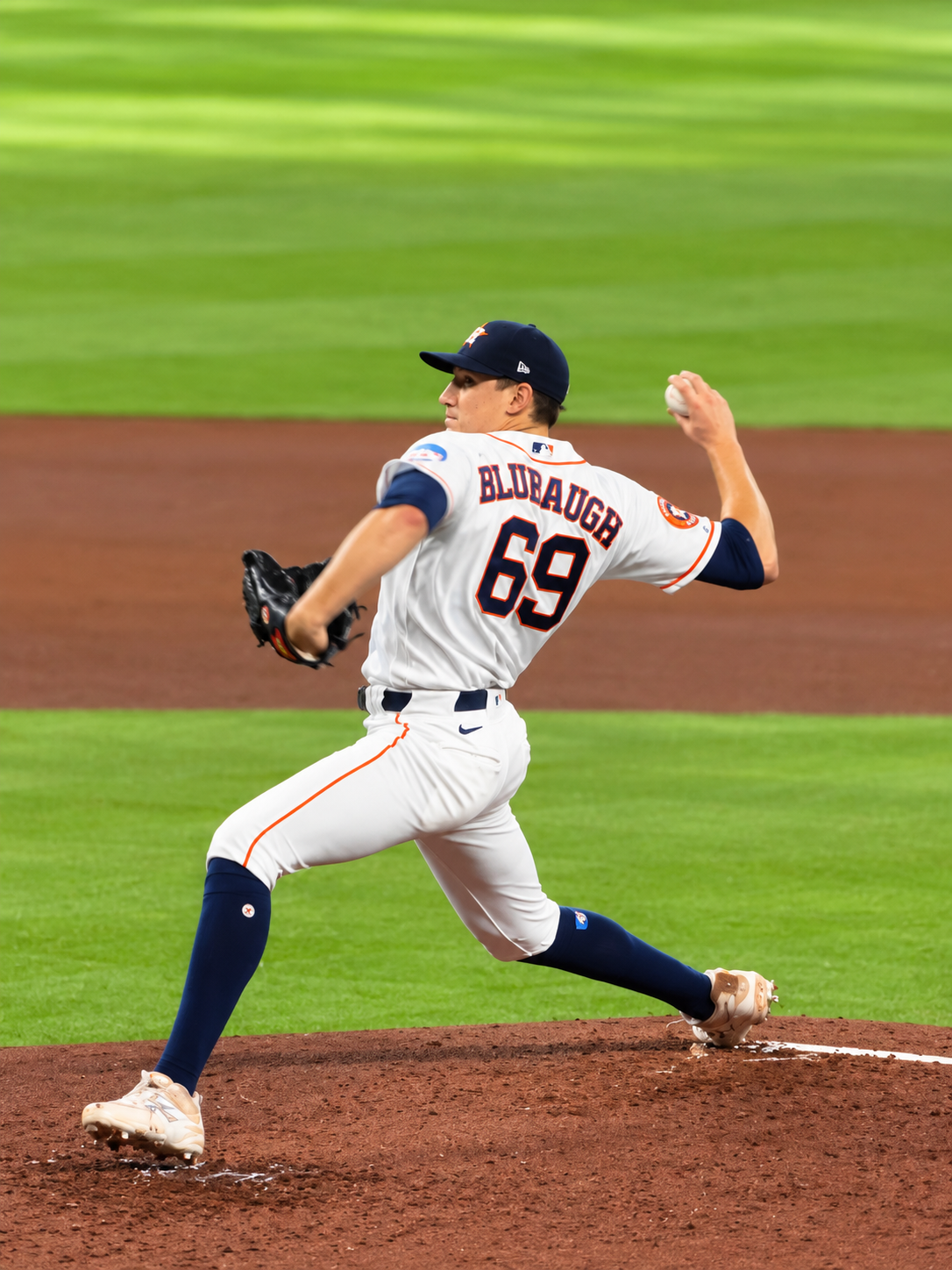
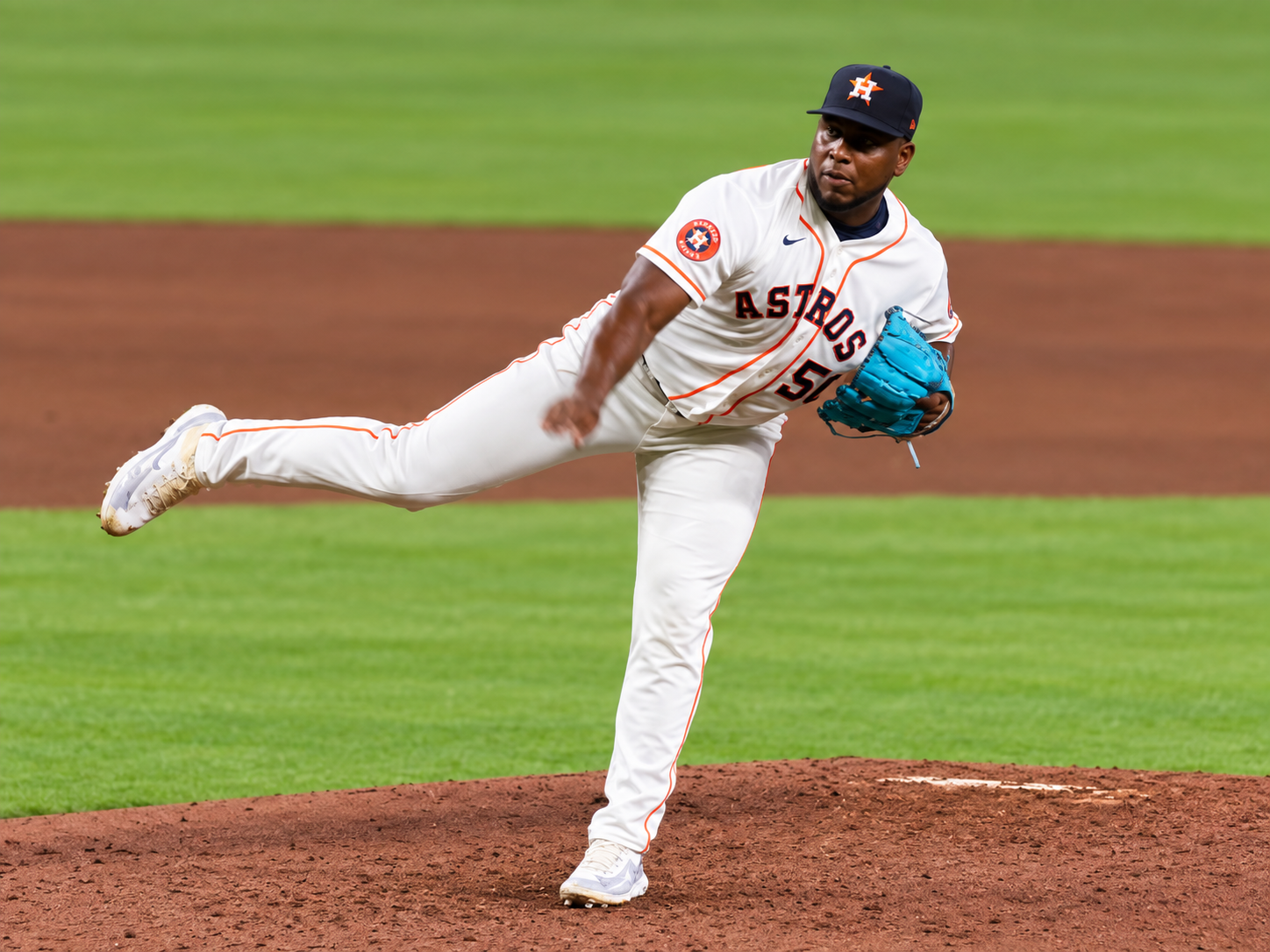
Through 50 games, Astros pitchers have issued more walks than any staff in the majors, averaging 4.92 per game and on pace for nearly 800 on the season. The MLB modern-era record is 827, set by the 1915 Philadelphia Athletics. Only six teams in major league history have walked more than five batters per nine innings over a full season.
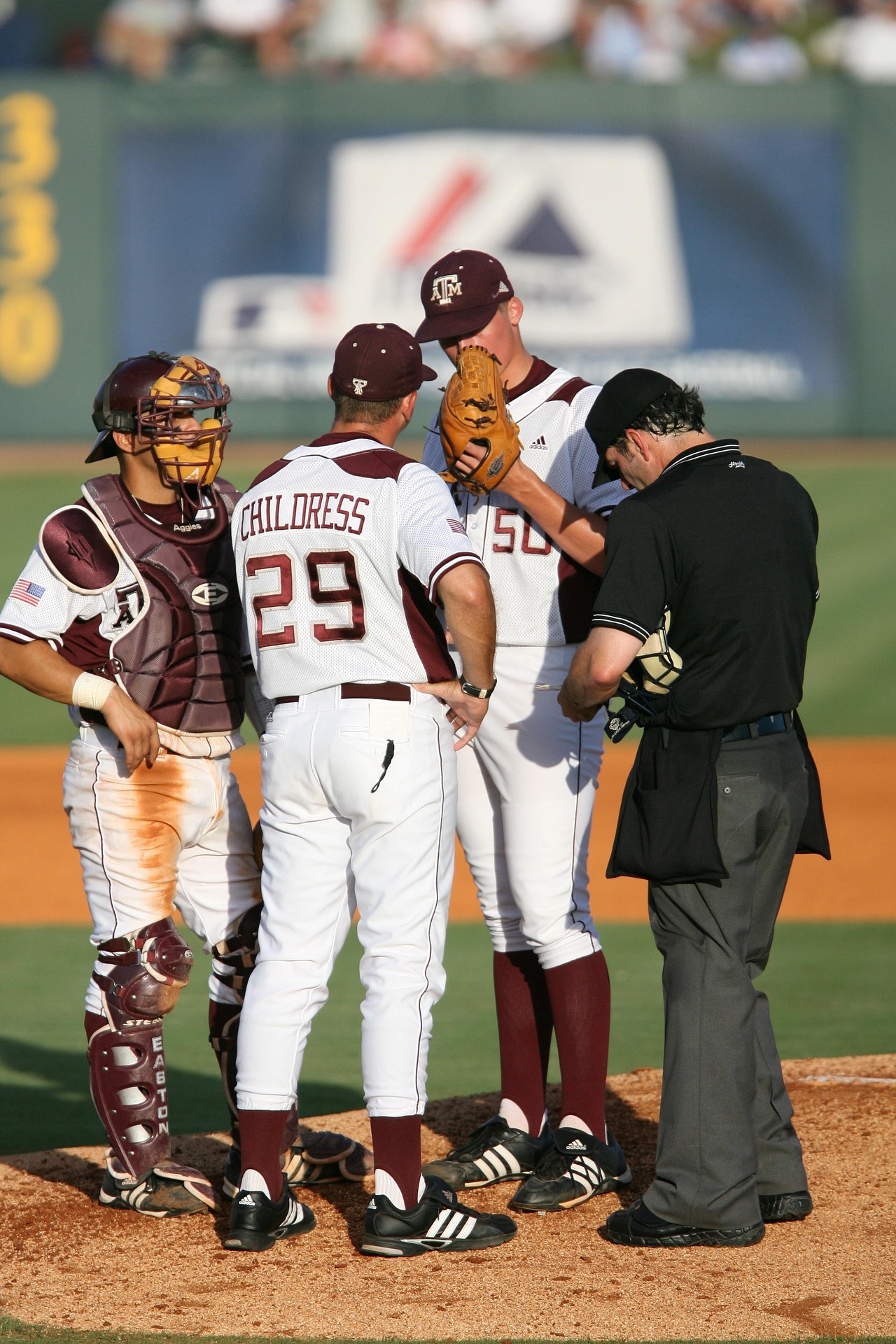
“Need to be better, obviously,” pitching coach Josh Miller said.
The reasons are layered. The most obvious is personnel. Five of Houston’s nine highest individual walk rates this season belong to pitchers who weren’t with the organization last year. The pitching staff has been decimated by injuries—Hunter Brown, Josh Hader, Ronel Blanco, Bennett Sousa, and Brandon Walter are all on the injured list, and that group includes some of the sharpest command and chase-rate numbers from last season’s staff. Hader was also central to a Houston staff that led the majors in in-zone whiff rate in 2025, as was Bryan Abreu, who has struggled with his command early this season despite remaining a key part of the bullpen.
But personnel alone doesn’t explain it. The Automated Ball-Strike challenge system, now in its first full season, has tightened the effective strike zone across the league. Umpires, aware that their calls can be challenged, are calling a narrower zone. League-wide, pitches thrown in the strike zone dropped from 50.6% last season to 47.3% this year. Walk rates are at their highest leaguewide since 2000.
“Umpires don’t want to call balls strikes,” starter Spencer Arrighetti said. “Nobody wants to be embarrassed in front of 40,000 people on a nightly basis. These hitters are really good at knowing where their strike zone is, so I would say that they lean towards the hitters more often than not.”
The Astros have been hit harder by that shift than most. Their pitchers were throwing the second-lowest rate of first-pitch strikes in the majors and inducing just a 27.1% chase rate, down from 28.3% last season. No staff had more three-ball counts. The result has been a cascade: too many hittable pitches in two-strike counts, opponents posting a .601 OPS against Houston with two strikes—tied for highest in the majors.
Miller said the emphasis has been on attacking the zone earlier in counts, but acknowledged the staff had been “a little too liberal in attacking the edges.” The fix, at least in theory, is straightforward: throw more strikes early, get ahead, and trust the stuff.
There are modest signs of progress. Astros pitchers averaged 5.5 walks per game in their first 25 games, 4.5 in their next 21, and are now at 4.92 through 50 games. The direction is right, even if the pace is slow.
The bigger question is whether the returning pieces can help. Hader, one of the game’s elite in inducing chases, is working his way back from biceps tendinitis. Brown, when healthy, gives the rotation a front-end anchor it has sorely lacked. Until both are back and the staff stabilizes, the Astros will keep working to dig out of a hole that, at the moment, is still historically deep.
Heading to Daikin Park soon? Check the Astros promotions schedule before your next game.