












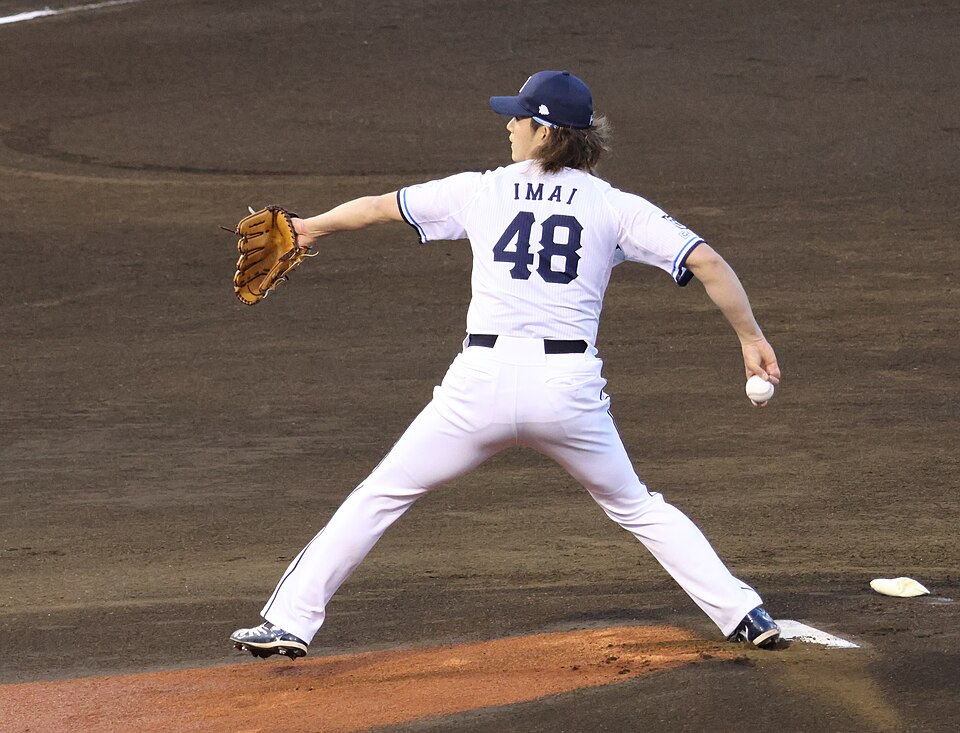

Tatsuya Imai has had an explanation for just about everything.
The mound in Seattle was too hard. The weather was too cold. The baseball felt different. And now, the meal schedule.
Since arriving in Houston on a three-year, $54 million contract, the right-hander has been candid—perhaps remarkably so—about the challenges of transitioning from Nippon Professional Baseball to the major leagues. That candor continued Tuesday, when Imai spoke through an interpreter after being placed on the 15-day injured list with arm fatigue.
“It’s just not able to adjust to the American lifestyle, like other than baseball as well,” Imai said. “Baseball and outside of baseball, so that’s probably the reason.”
Asked to elaborate, Imai pointed to dining habits as one example of the adjustment.
“For example, the travel is different from Japan and also the timing when the players eat,” he said. “In Japan, the players, when they get back to the hotel, they eat their dinner. But here the players eat at the stadium, so that’s one of the things that I have to adjust to.”
None of this is to dismiss the genuine difficulty of transitioning from NPB to MLB. The baseball is different. The mound is different. The schedule—MLB starters pitch every five days rather than once a week in Japan—represents a real physical adjustment, though Imai said Tuesday he does not believe it contributed to his fatigue. And the Astros went to considerable lengths to ease that transition, slotting him fourth in the rotation, giving him five days’ rest between each of his first three starts, and allowing him to shape his own throwing program between outings.
Through all of this, Imai has logged just 8⅔ innings. In his debut against the Athletics he lasted 2⅔ innings and allowed four runs. He rebounded impressively in his second outing, throwing 5⅔ scoreless innings with nine strikeouts against Oakland. Then came Seattle, where he walked four of the seven batters he faced, recorded a single out, and was pulled after 37 pitches.
That is the full body of work—one bad start, one good one, and one that landed him on the injured list—for a pitcher the Astros were counting on to anchor a rotation that has since lost Hunter Brown and Cristian Javier to Grade 2 shoulder strains.
The good news is that tests on Imai’s arm came back clean. Manager Joe Espada called the results “pretty positive” and said Imai will remain shut down from throwing until his arm strength returns.
Imai called the IL stint “a positive thing,” a chance to adjust to the lifestyle differences he has described. Whether those adjustments—to meal timing, travel, mound conditions, and cool April evenings—will translate into better performance remains to be seen.
What the Astros need is not a pitcher still finding his footing three weeks into the season. They need the pitcher who threw 5⅔ scoreless innings against Oakland to show up, and stay.
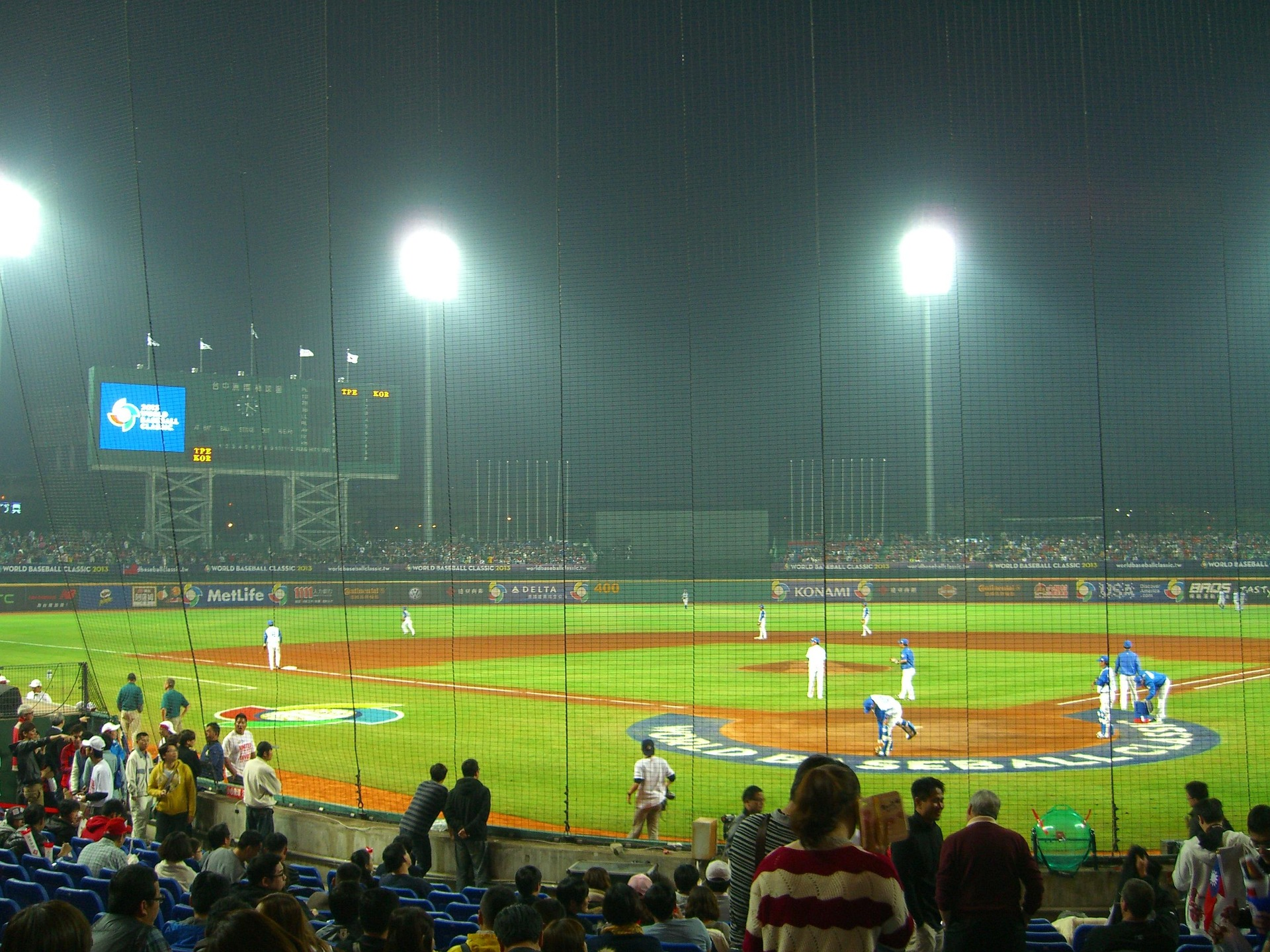
Photo: Masatoku555 / Wikimedia Commons (CC BY-SA 4.0)