











At some point, bad luck stops being an explanation.
The Houston Astros arrived in Colorado on April 6 with a rotation that appeared functional. Hunter Brown was already on the injured list with a Grade 2 right shoulder strain. That was one injury, painful but manageable for a team that had spent the entire offseason building pitching depth precisely to guard against this kind of setback.
Eight days later, that depth is gone.
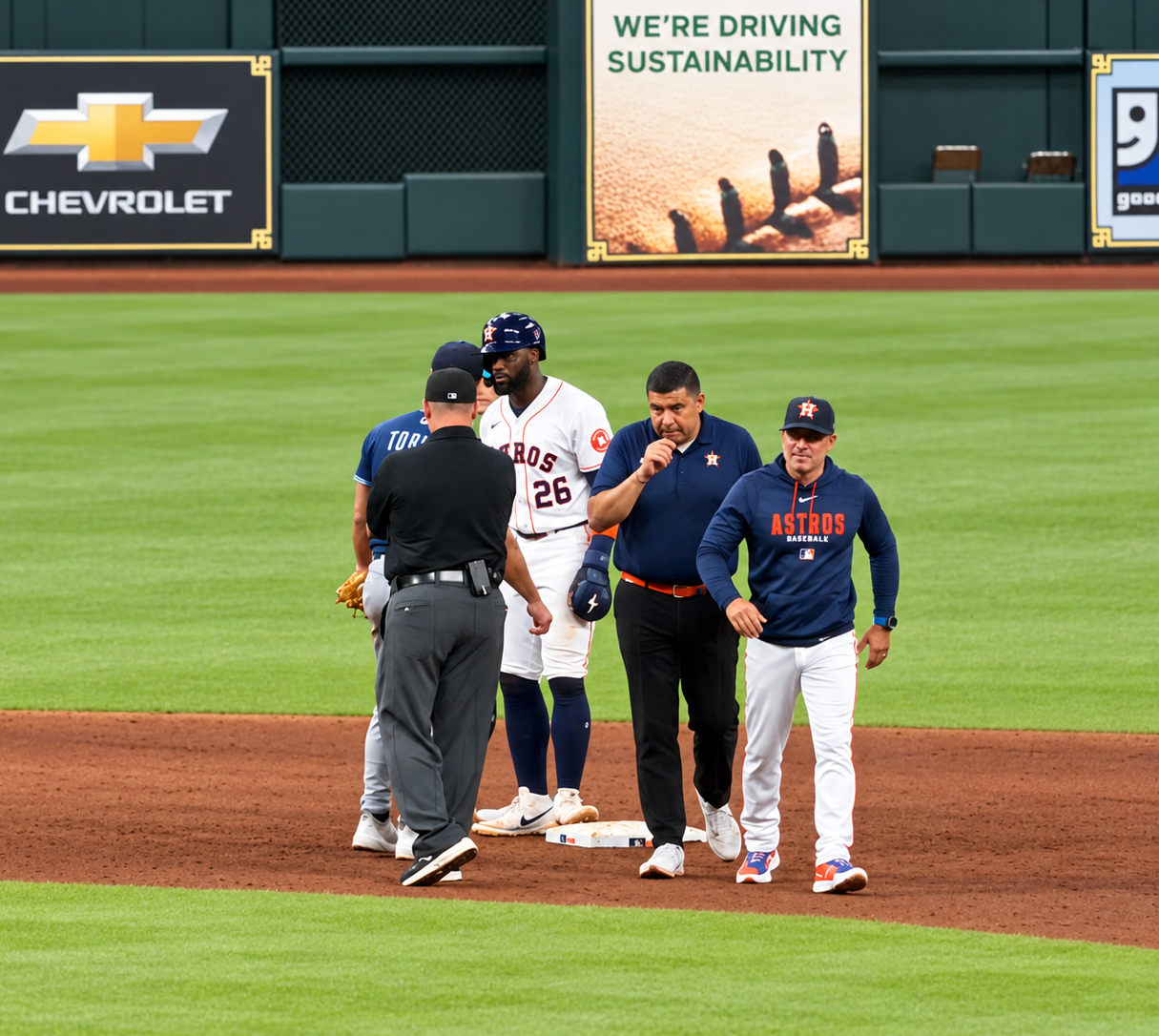
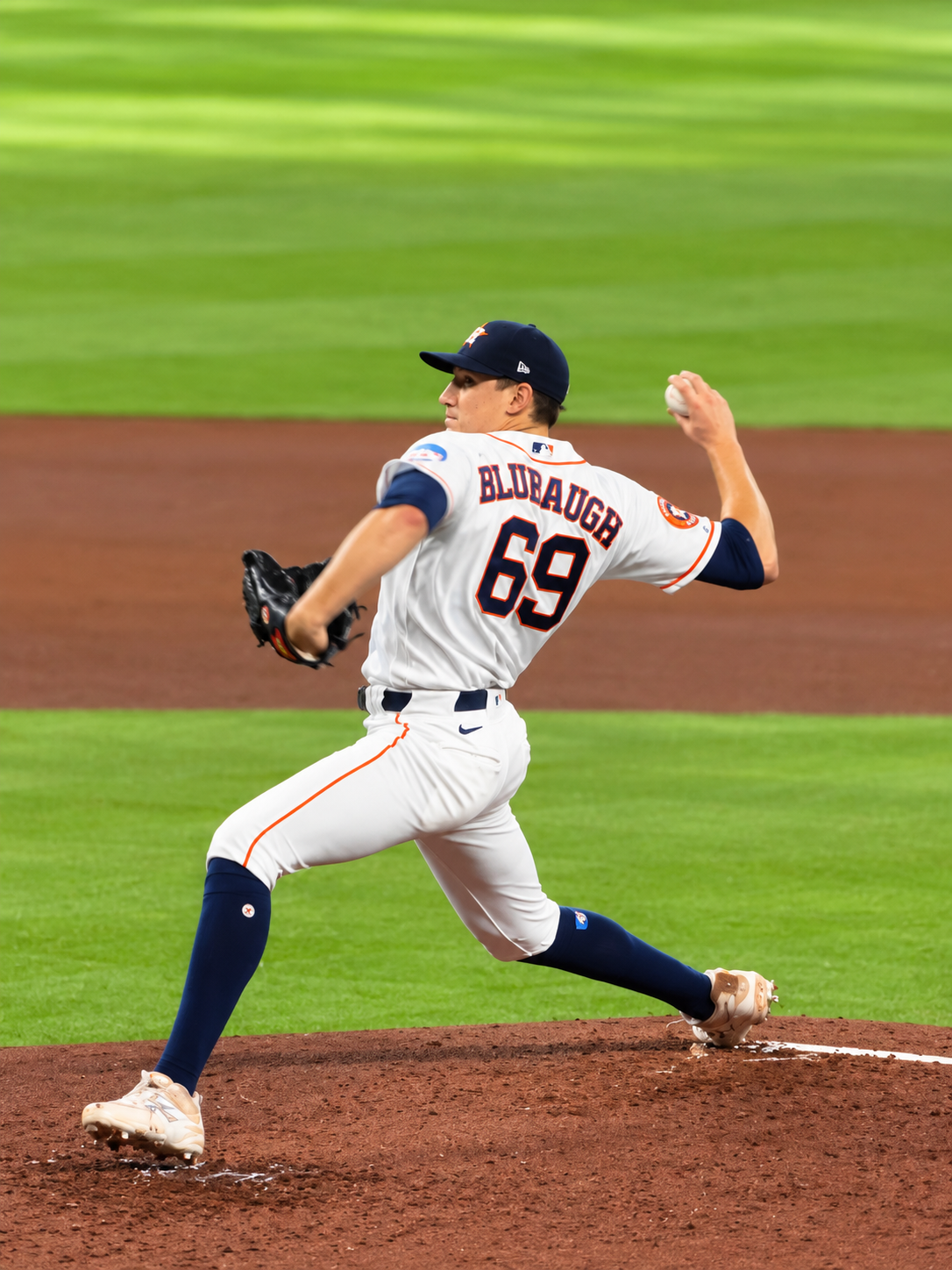
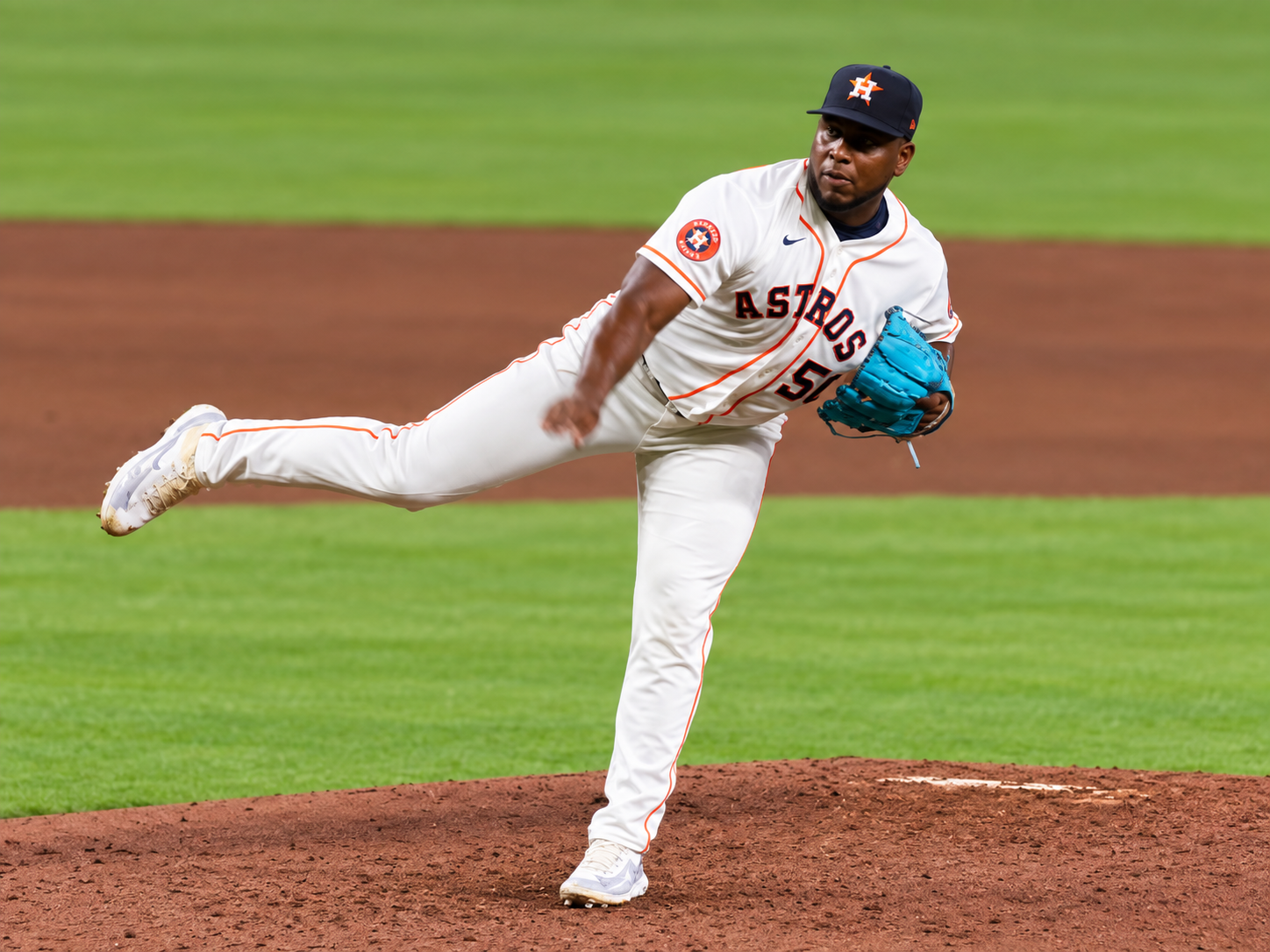
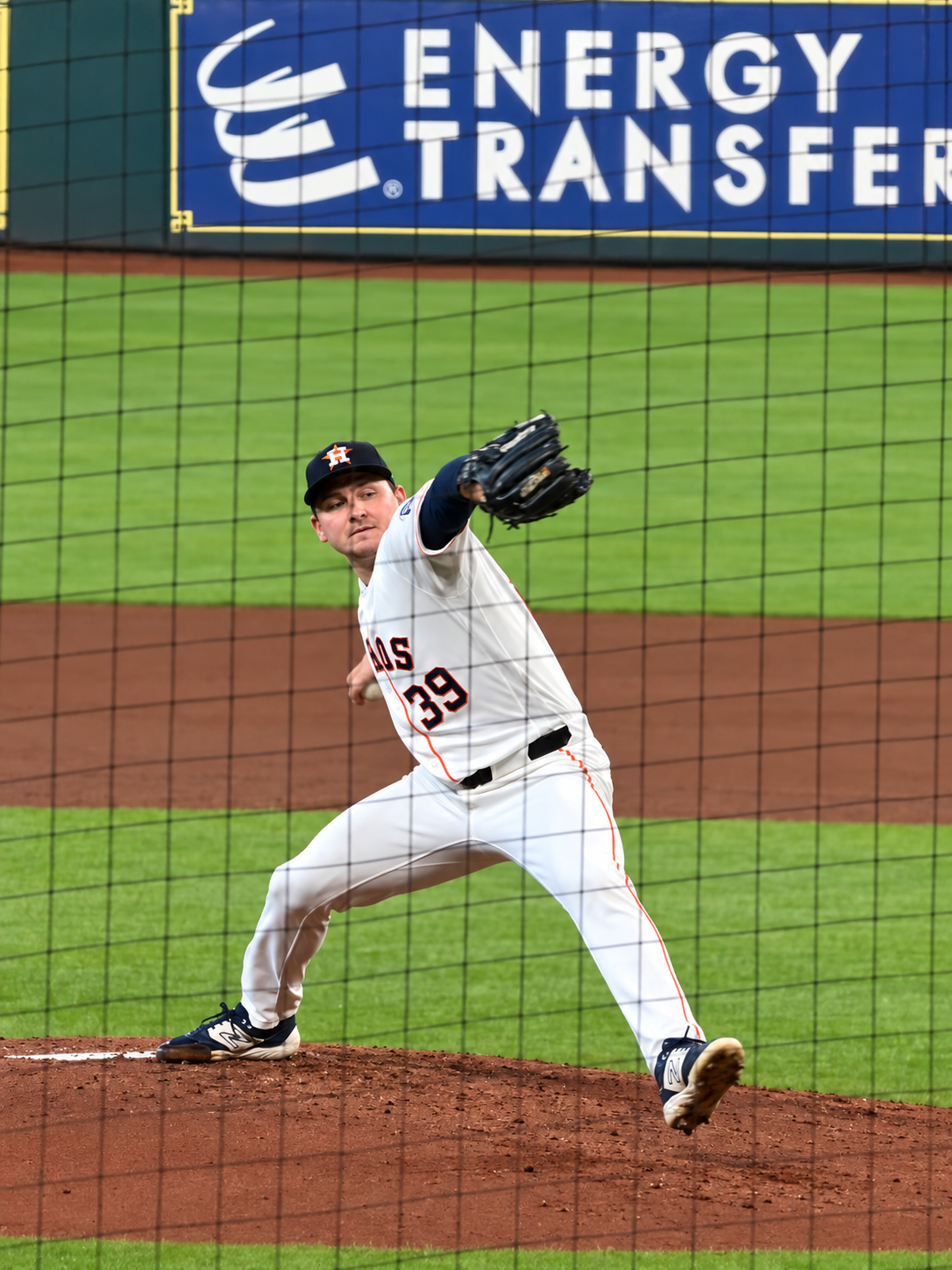
Cristian Javier left his April 8 start in the second inning with right shoulder tightness—the same diagnosis, the same shoulder, just three days after Brown. He flew back to Houston and was diagnosed with a Grade 2 strain of his own. Tatsuya Imai, the Astros’ $54 million offseason acquisition, lasted one out in Seattle on Friday before departing with what the team called “right arm fatigue.” He is 27 years old. He had thrown 37 pitches. He flew home Saturday. Cody Bolton, pressed into a spot starting role, took a 102.5 mph comebacker off his back in Colorado last Monday, was cleared to start again Sunday despite lingering soreness, and lasted one inning before his back seized up.
This Isn’t Just Bad Luck
Four starters. Eight days. One road trip.
The Astros have now lost seven consecutive games. Their bullpen has thrown more innings than their rotation through 16 games. Their team ERA of 6.47 is the highest in baseball, and according to at least one analysis, only six other teams in recent history have posted an ERA that high through 15 games, and none of them won 70 games. They are 0-6 this week despite scoring six or more runs in four of those losses.
General manager Dana Brown appeared on the team’s pregame radio show Sunday and said, with a straight face, “This is why we went out and signed a lot of pitchers this offseason.” It is, at best, a curious defense of a situation in which three of those pitchers are now hurt.
So Many Questions
The questions are unavoidable at this point. Why are so many Astros pitchers getting hurt? Is it the training program? The pitching mechanics the organization develops? The recovery protocols? The decision to bring back Javier, fresh off Tommy John surgery, as a rotation piece? The decision to start Bolton on Sunday after he took a line drive to the back six days earlier?
This is not the first time Houston has faced this question. The Astros set an MLB record for injured list placements last season. They missed the playoffs for the first time since 2016. They spent the entire offseason prioritizing pitching depth—signing Imai, Weiss, and Pearson, trading for Burrows and Teng—specifically because they knew their injury history demanded it.
The decision that looms largest over all of this is one that was made before the season even started. Framber Valdez, the Astros’ workhorse left-hander, was allowed to walk in free agency after anchoring the rotation for years. Valdez threw 198 innings in 2025. He was durable, reliable, and irreplaceable in the way that only becomes obvious when he’s gone. The Astros chose instead to build depth, spreading the workload across multiple arms rather than investing in one proven ace. It was a defensible strategy—on paper. On this road trip, it has been exposed completely.
And here we are again.
Reassurance Isn’t a Solution
“This is a temporary turbulent time for us,” Dana Brown said Sunday. Joe Espada has said repeatedly that “we’ll figure it out.” Perhaps they will. Spencer Arrighetti is expected to be called up this week, Jason Alexander potentially behind him, Nate Pearson being stretched out, Weiss and Teng being considered for starting roles. Hunter Brown and Cristian Javier will be re-evaluated in two weeks. The offense, to its enormous credit, has not quit, leading the majors in runs scored despite everything.
And it isn’t just the rotation. Center fielder Jake Meyers is on the injured list with an oblique strain. Shortstop Jeremy Peña missed time early in the season with a fractured finger and has now been dealing with knee tightness. Carlos Correa has missed multiple games this week with an illness. Outfielder Zach Dezenzo has been sidelined since spring training. Christian Walker sat out Sunday as a precaution. The injuries have touched every corner of this roster.
But the Astros owe their fans more than reassurances at this point. Two consecutive seasons of catastrophic injury rates, on a roster built around pitching, demands a serious internal examination. Not of the players—they are not choosing to get hurt. But of the systems, the protocols, the decision-making around pitcher health and workload that keeps producing the same result.
“We’ll figure it out” is not a plan. It is a prayer.
And right now, the Houston Astros could use both.
Heading to Daikin Park soon? Check the Astros promotions schedule before your next game.