
For the first time in Major League history, the Automated Ball-Strike Challenge System—ABS, powered by T-Mobile—is part of the regular season. It has already been used in every Spring Training game, and it will remain in place when Opening Night arrives. For the Astros, it introduces a set of strategic questions that will unfold in real time across 162 games.
The system itself is straightforward: players can challenge ball-strike calls, with a limit on unsuccessful challenges. What is less straightforward is how teams and individual players will choose to use those challenges wisely.
What the Data Tells Us (With a Caveat)
Because ABS was in effect throughout Triple-A in 2025, there is now a full season of challenge data available on Baseball Savant’s ABS dashboard. It offers the best preview available of how professional players may handle the system.
The caveat matters, though. Minor League players are not Major League players, and Minor League umpires are not Major League umpires. The trends are instructive. The numbers are not guarantees.
With that in mind, here is what the data shows. The overall overturn rate in Triple-A last season was almost exactly 50-50. Fielding teams, primarily catchers, were correct nearly 55% of the time. Batters succeeded on just 45% of their challenges.
Challenges were also rare. Slightly more than 1% of all pitches resulted in a challenge, and even among borderline takes, only about 7% were challenged. Umpires, it turns out, are quite good at their jobs.
That 50-50 split carries a broader message. Players can cherry-pick their spots and still only come out right half the time. The system rewards disciplined decisions, not impulsive ones.
Espada Sets the Tone
Astros manager Joe Espada has already made Houston’s philosophy clear. When it comes to pitchers initiating challenges, Espada said he strongly discourages it, a position shared by several managers across the league, and one that places the responsibility squarely on the catcher.
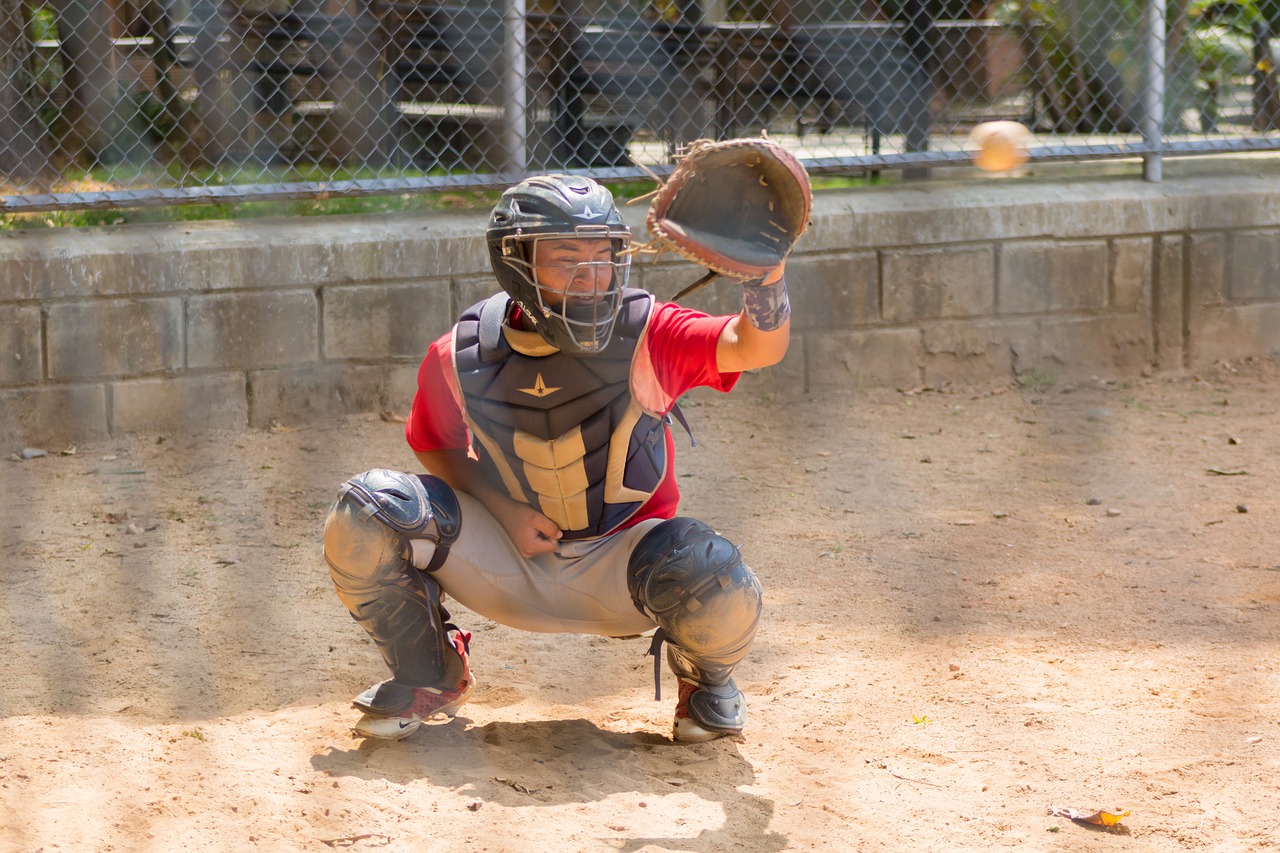
That is where it belongs. Triple-A data showed catchers hold a structural advantage in challenges: They crouch at the same angle as the umpire, they see every pitch of every game, and they can take a longer view than a hitter who may be reacting in a high-pressure moment.
Batters in Triple-A were four to five times more likely to challenge on two-strike counts than on any other count. Their success rate dropped sharply as a result—from 51% on other counts to just 34% on full counts. The urgency to avoid a strikeout made them worse decision-makers.
Catchers face no such pressure. The role rewards patience and precision, which aligns with the profile of an elite backstop.
The Diaz Factor
Which brings the conversation, naturally, to Yainer Diaz.
“I don’t think it’s going to affect me a whole lot,” Diaz said through an interpreter this spring. “There’s pitches that I’m going to still be able to steal for strikes and the batter might not notice and he might not ask for the replay. So I wouldn’t say a whole lot.”
He elaborated on the psychological element.
“I can still … put the hitter in doubt and not have him challenge a pitch.”
He is not wrong. Triple-A data makes clear that framing still matters—93 to 97% of borderline pitches go unchallenged. A catcher who presents the ball cleanly and creates doubt in a hitter’s mind still adds real value, ABS or not.
But the system introduces a new layer. The most successful Triple-A catchers in challenge situations were not necessarily the best framers. In fact, the data showed almost no correlation between framing skill and challenge success.
It is a separate ability: reading pitch location in real time, understanding game leverage, and knowing when a challenge is worth the risk.
Espada touched on that broader standard when discussing Diaz’s development behind the plate.
“If we give Yainer more time, he will throw more people out, there’s no doubt about that,” Espada said. “But at the end of the day, it comes down to game calling, mound visits, when to use them. He knows the league now, he knows our division very well. Being more proactive in the pregame meeting just to have more of that voice and presence. That’s the separation [between] the elite and the rest of the catchers in the major leagues.”
ABS fits neatly into that framework. Knowing when to challenge—and when not to—is another expression of the same game intelligence Espada is describing.
The Altuve Wildcard
On the offensive side, one Astros player stands out in the context of the Triple-A data: Jose Altuve.
The research found that shorter hitters may benefit disproportionately from ABS. The three most successful challengers in Triple-A by overturns above expected all stood 5-foot-7. Altuve, listed at 5-foot-6, fits that profile.
He said earlier this spring that he does not plan to use the challenge system very often. But if the data holds true at the Major League level, hitters with smaller strike zones may find the system works in their favor.
What to Watch For
When the Astros take the field in 2026, a few questions will be worth tracking.
How often does Diaz initiate challenges, and how successful is he? Does Houston reserve challenges for high-leverage moments, as the Triple-A data suggests disciplined teams will? And does Altuve—or another hitter in the lineup—emerge as a reliable challenge weapon in two-strike situations?
The answers will not arrive all at once. ABS is new enough that every team is still learning how to use it in real time at the Major League level.
Triple-A gave us the first clues. The 2026 Astros will help write the next chapter.