




WEST PALM BEACH, Fla. — The Houston Astros enter 2026 with a sobering distinction: they are the only Major League club without a prospect ranked in MLB Pipeline’s preseason Top 100.
For an organization that once produced Jose Altuve, Carlos Correa, George Springer, Alex Bregman, and Kyle Tucker from within, the drop is stark. Years of trading prospects for immediate help, combined with injuries and uneven development, have thinned the system.
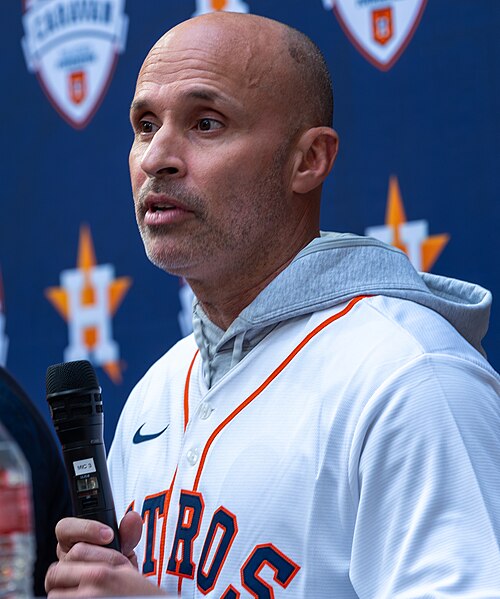
Assistant general manager Gavin Dickey, who oversees player development and Minor League operations, addressed the state of the farm system in a recent interview with MLB.com’s Brian McTaggart. While he acknowledged the rankings, Dickey believes the organization’s talent is stronger than outside evaluators suggest.
“We do think our system’s better than the third parties do,” Dickey said. “I spend a lot of time talking to those guys about the rankings.”
Why the Rankings Matter
Dickey admitted he pays closer attention to prospect rankings than he once did—not for optics, but because of the Prospect Promotion Incentive (PPI) program in the current Collective Bargaining Agreement.
Under the PPI structure, teams can earn an additional draft pick if a prospect ranked on at least two of the three major Top 100 lists (MLB Pipeline, Baseball America, and ESPN) reaches the majors and performs well. Rankings now carry tangible value.
“The only reason I care is that they’ve sort of monetized it—they’ve attached a draft pick to the rankings,” Dickey said. “Teams lobby for players to get on there, and we definitely feel some of our players are deserving to be Top 100 prospects.”
Houston did not identify specific players it believes merit inclusion, but the absence itself underscores how much depth has eroded.
A Pivotal 2026 Draft
The organization’s best opportunity to reverse the trend arrives this summer.
The Astros will hold two additional bonus selections in the 2026 MLB Draft:
- Pick No. 28 overall, a PPI selection earned when Hunter Brown finished third in 2025 AL Cy Young Award voting
- A fourth-round compensation pick after Framber Valdez declined Houston’s qualifying offer and signed with Detroit
Combined with their standard selections and the January international signing class, Houston is expected to deploy roughly $20 million in amateur spending this year.
Dickey compared the moment to the franchise-altering 2015 draft, when Houston selected Bregman and Tucker with premium picks.
“It reminds me a lot of the 2015 draft where we had so much draft capital and obviously, that draft went tremendous for us,” Dickey said. “I think we have an opportunity this year … to infuse a ton of talent.”
Xavier Neyens: Early Progress
Houston’s top selection in 2025, shortstop Xavier Neyens (No. 17 overall), has drawn positive early feedback.
“Xavier’s come in and he’s made a lot of adjustments so far,” Dickey said. “The power jumps off the page right away. It’s a quality at-bat, knows the strike zone really well.”
The transition from Washington high school baseball to professional pitching is substantial, but the Astros are encouraged by his initial development. Neyens is expected to open at either Low-A or High-A following spring training.
New Direction in Player Development
Recognizing the need for internal recalibration, Houston hired Sam Niedorf as Director of Player Development this offseason.
“I thought it was important to get someone in with fresh eyes,” Dickey said.
- Niedorf has already emphasized:
- Faster, more accessible video analysis
- Improved communication between Major League and Minor League coaching staffs
- A new lens on pitcher development
“He comes from a pitching background, so he has a lot of unique pitching ideas,” Dickey said.
Alignment between the minor leagues and the big league club will be critical if Houston hopes to shorten the rebuild timeline.
The Cost of Contending
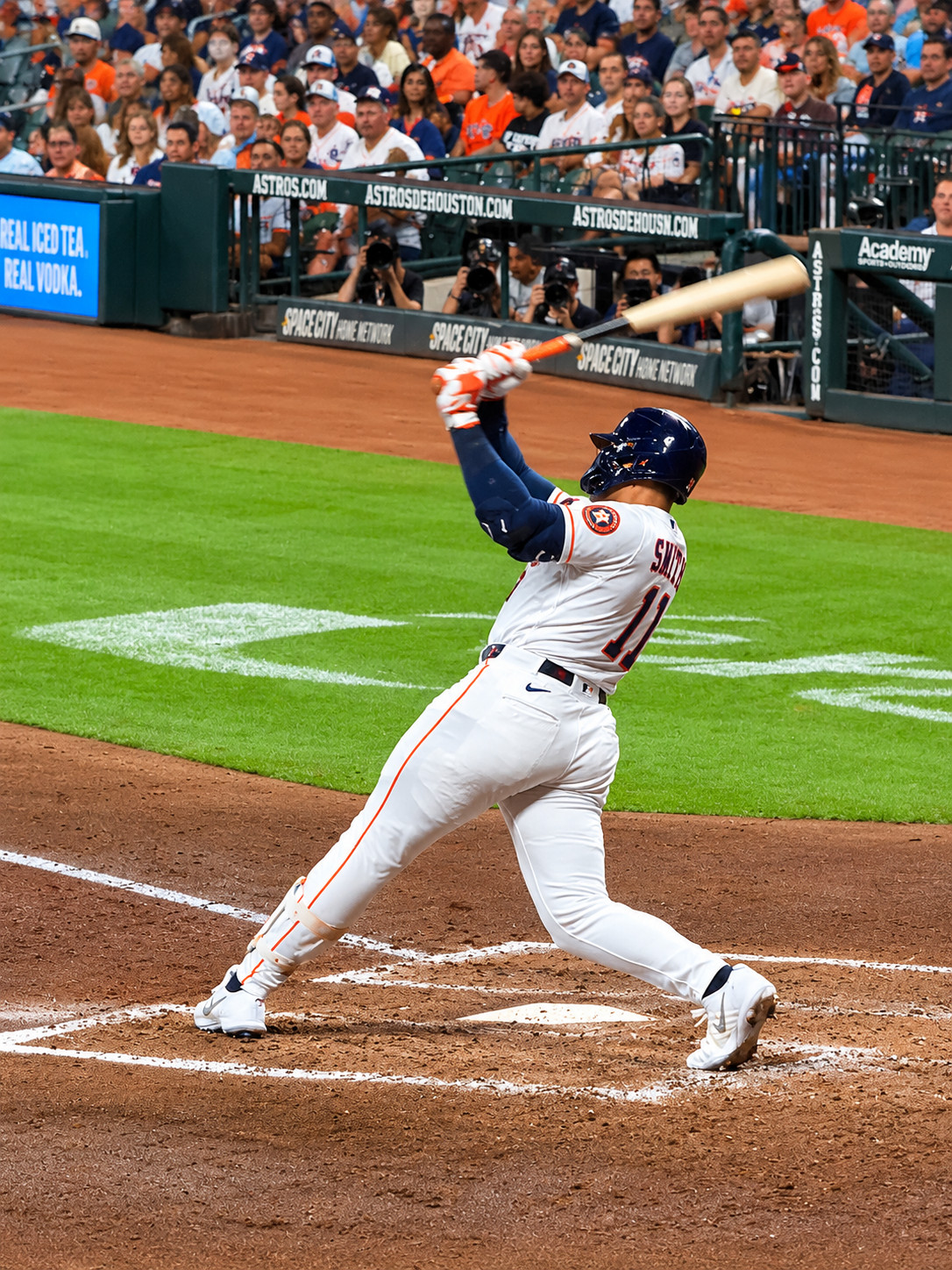
The system’s decline is not accidental. Houston aggressively traded prospects in pursuit of championships. Deals involving Kyle Tucker, Jacob Melton, Anderson Brito, and others brought back Major League contributors such as Cam Smith, Isaac Paredes, Hayden Wesneski, and Mike Burrows.
When the Astros were perennial World Series contenders, that calculus made sense.
But after missing the postseason in 2025 for the first time since 2016, the lack of upper-level depth has become more visible.
Now, armed with additional draft capital and new leadership in player development, Houston is attempting to replenish rather than deplete.
The 2026 draft in mid-July will serve as the first major checkpoint.
“It’s going to be an exciting year,” Dickey said.
For a franchise accustomed to focusing on October, excitement about amateur talent signals a shift. The Astros are no longer just supplementing a powerhouse. They are rebuilding the pipeline.
The work starts this summer.