

















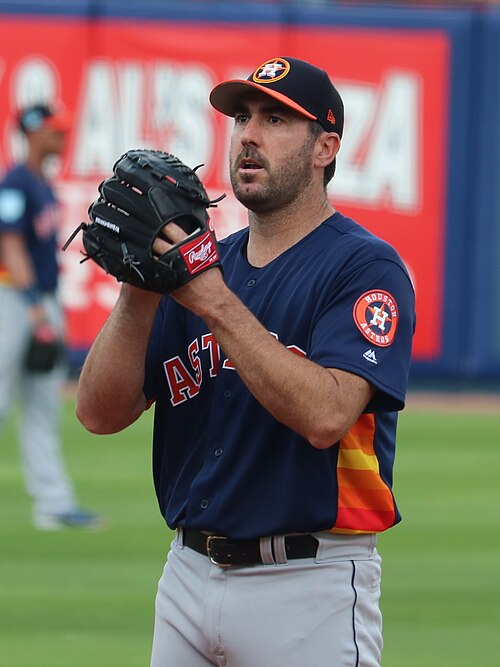




WEST PALM BEACH, Fla. — The Houston Astros are preparing to open 2026 with something they haven’t relied on in years: a six-man rotation.
Manager Joe Espada confirmed in January that fans will “probably see it from the get-go.” The reasoning is straightforward. The early schedule is not.
Houston plays 26 games in 28 days between March 26 and April 22, with only two off days. That stretch makes a traditional five-man rotation risky, particularly for a staff built around pitchers returning from injury, adjusting to new roles, or transitioning from overseas.
The six-man plan is as much about preservation as it is about depth.
The Rotation — On Paper
Hunter Brown is locked in as the ace and Opening Day starter. Cristian Javier, Mike Burrows, and Tatsuya Imai project into prominent roles behind him.
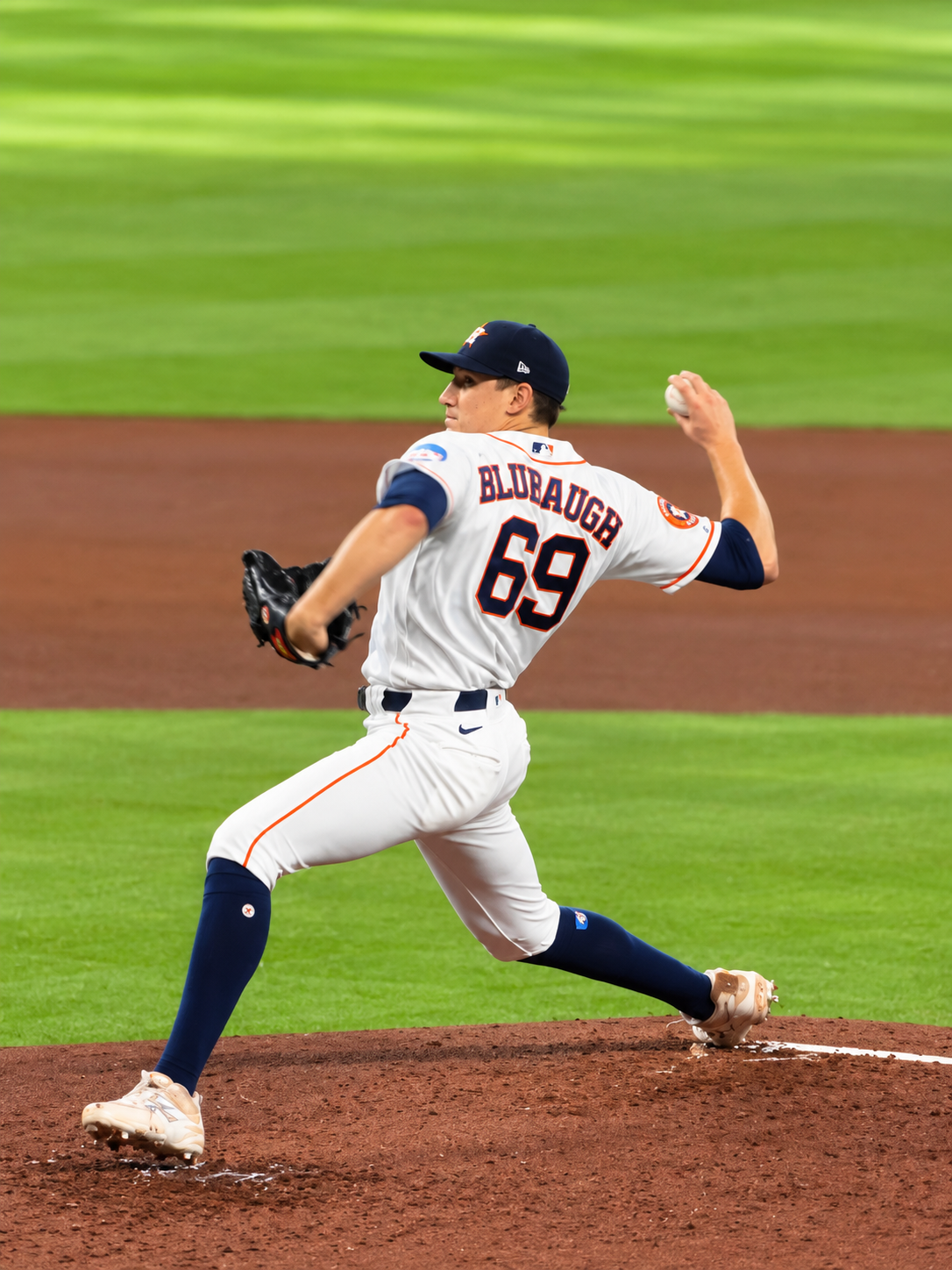
That leaves competition for the remaining spots among Spencer Arrighetti, Lance McCullers Jr., Ryan Weiss, Nate Pearson, Jason Alexander, and potentially AJ Blubaugh, though Blubaugh’s versatility could make him more valuable in a hybrid role.
The Astros have options. What they don’t have is certainty.
Javier is returning from Tommy John surgery. McCullers is coming off an uneven 2025. Weiss has yet to debut in the majors. Arrighetti’s workload has been limited. Even Imai, despite his NPB dominance, must adjust to MLB frequency and travel.
The six-man setup distributes risk. Instead of leaning heavily on five arms, Houston is spreading innings across six and managing exposure early.
The Bullpen Cost
There’s a tradeoff.
With a standard 13-pitcher roster, six starters leave seven relievers. Early in the season, when starters are building innings and rarely pushing deep into games, that structure strains the bullpen.
If starters average five innings instead of six, someone has to absorb the bridge.
That’s where pitchers like Blubaugh, Pearson, or another long-relief candidate become critical. The Astros can’t afford to lean too heavily on Bryan Abreu or Josh Hader (if healthy) in April simply to cover middle innings.
The six-man rotation protects starters, but it places pressure on bullpen depth.
The Valdez Effect
This shift traces back to Framber Valdez’s departure.
For four straight seasons, Valdez led Houston in innings pitched and provided consistent length. His move to Detroit leaves the Astros without a traditional workhorse capable of routinely covering seven innings.
Brown may grow into that role. Javier could if healthy. But the current staff doesn’t yet feature a proven innings-eater at Valdez’s level.
Rather than replacing one durable arm with another, Houston is managing the absence collectively.
How Long Will It Last?
Espada indicated the Astros will use six starters “frequently,” but not necessarily permanently.
The early schedule justifies it. Once off days become more regular, the urgency diminishes. Injuries and performance typically shape rotation decisions by late spring anyway.
If all six pitchers perform well, Houston will face a positive roster dilemma. More realistically, health or effectiveness will consolidate the group organically by May.
Six-man rotations rarely remain static across a full season. They evolve with circumstance.
Can It Work?
The formula is clear:
- Brown anchors the staff.
- Imai transitions successfully.
- Javier holds up physically.
- Burrows and the backend provide stability.
- The bullpen absorbs early workload without fatigue.
If those variables align, the six-man rotation could preserve health and maintain performance through the summer.
If starters fail to provide length or injuries mount, the bullpen strain will expose the system quickly.
Houston isn’t experimenting blindly. The schedule and roster composition justify the approach.
Whether it becomes a long-term advantage or a short-term adjustment will be determined within the first six weeks.
By Memorial Day, performance and health will determine whether the six-man rotation sticks or quietly fades back to five.