





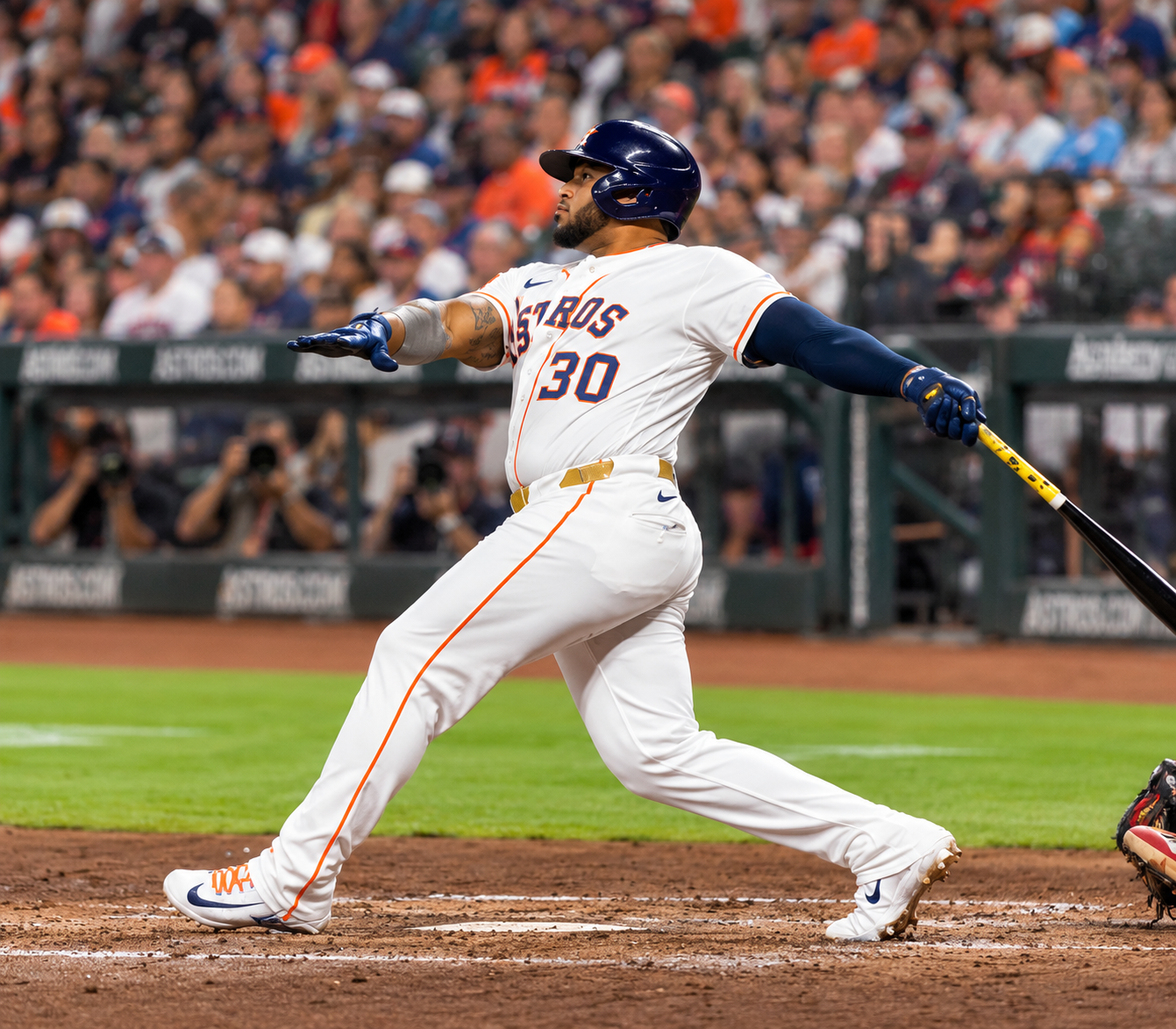


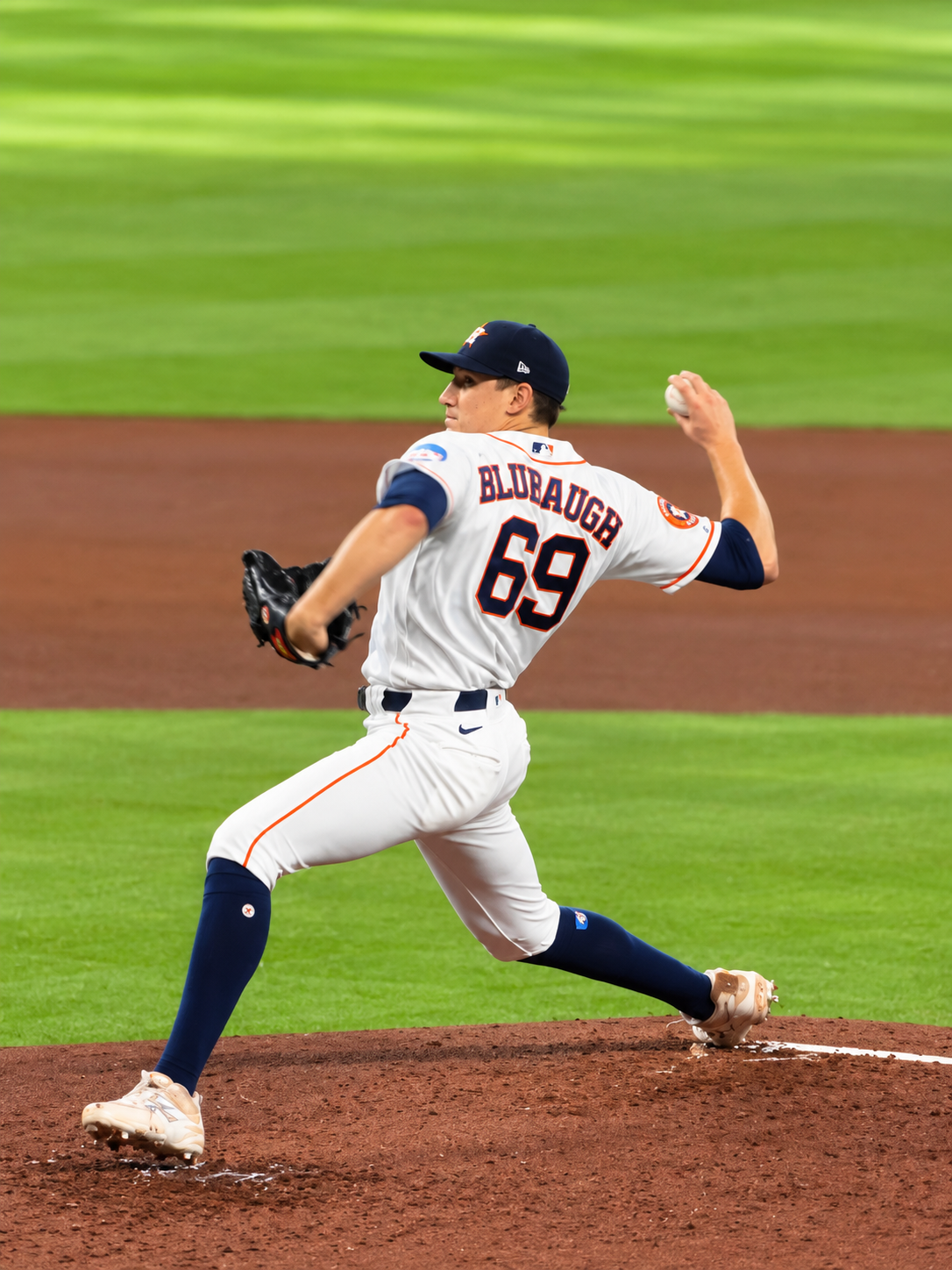

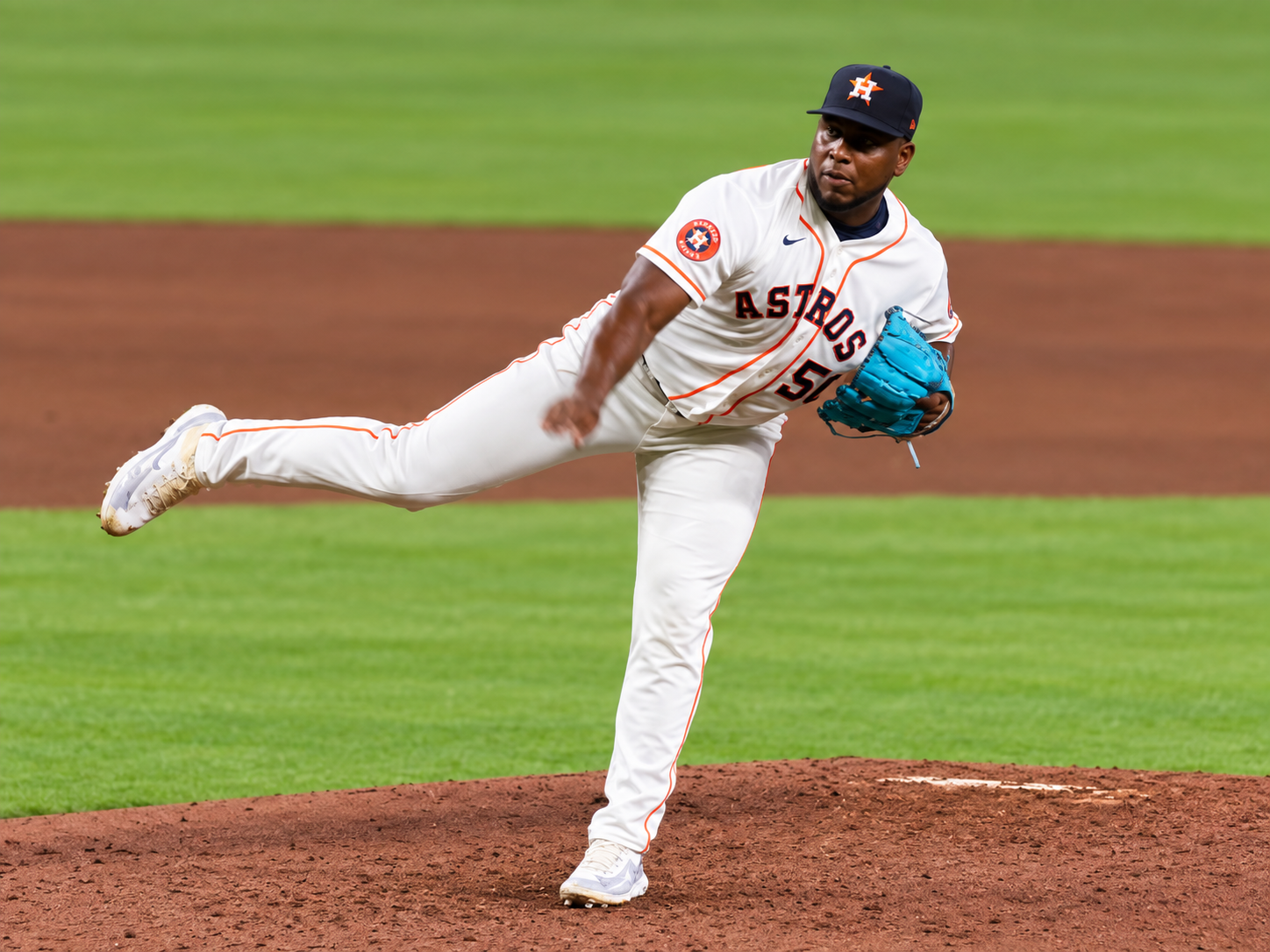

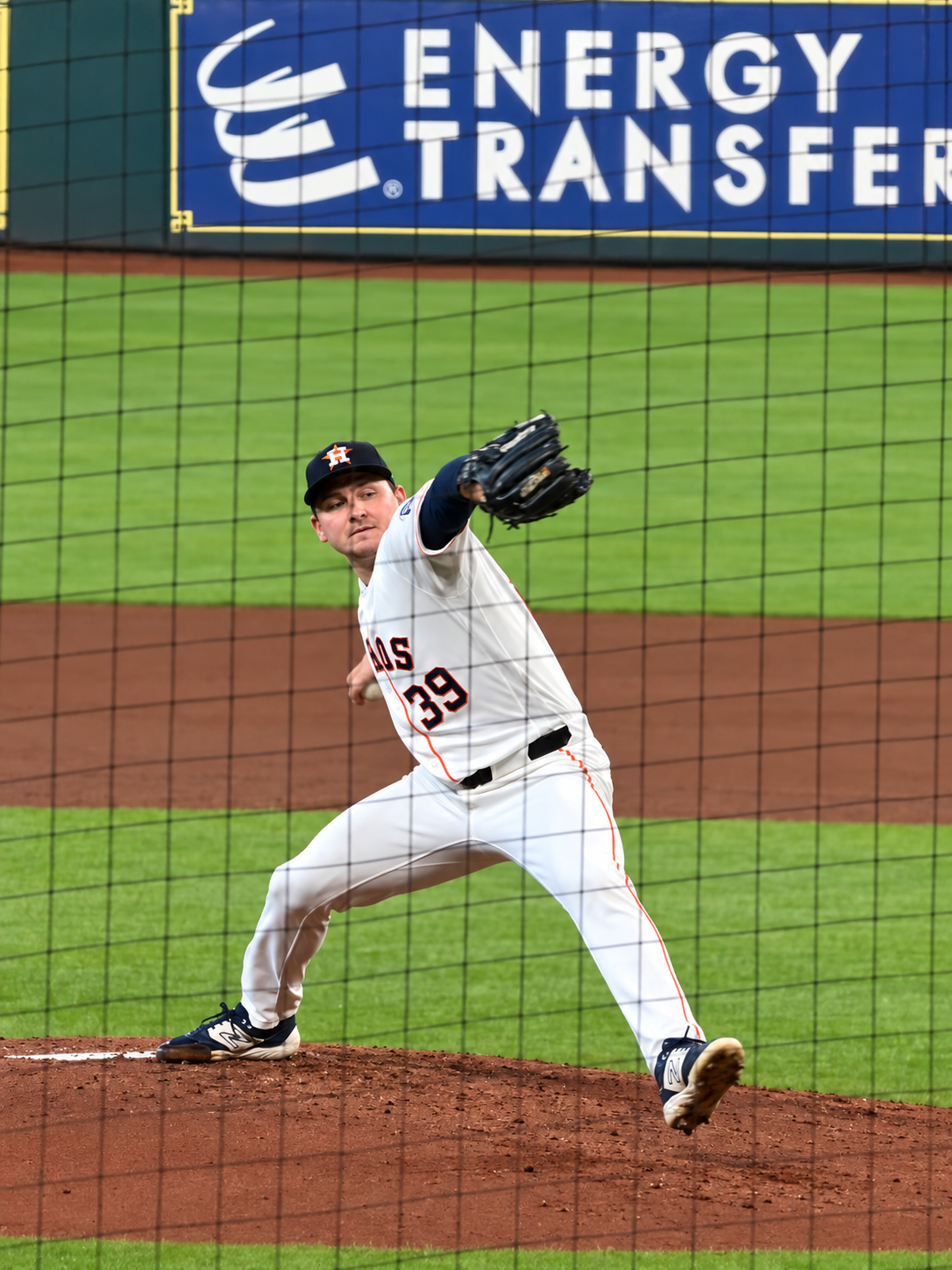
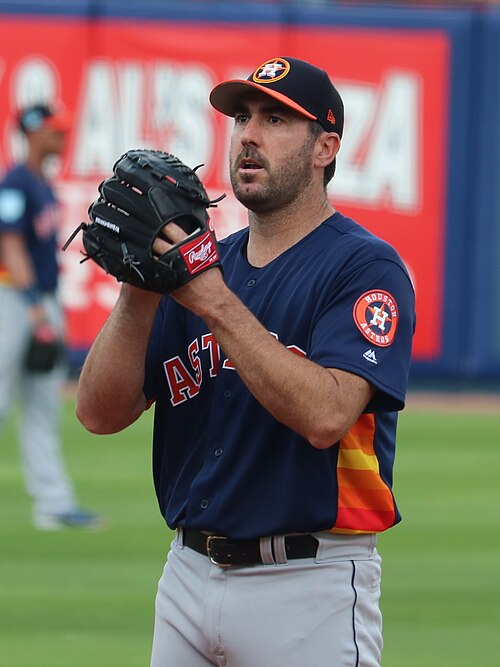



WEST PALM BEACH, Fla. — José Altuve took the first pitch he saw from Hunter Brown during live batting practice Friday and immediately tapped his helmet, signaling a challenge under Major League Baseball’s new automated ball-strike (ABS) challenge system.
The challenge failed. The pitch was a strike.
Altuve learned something from it, and it may shape how the Astros use the system once games count.
“I’m not going to do it,” Altuve said, before hedging slightly. “You never know, in the last inning maybe you need it. But I think I’m going to let the guys that have a better idea of the strike zone do it. Like today, I challenged and it wasn’t a ball, it was a strike. So maybe Carlos (Correa), (Isaac) Paredes and even Yordan (Alvarez) have a better idea.”
Self-Awareness Matters
The admission reflects an unusual level of self-awareness from two elite hitters. Both Altuve and Correa understand that while they excel in many areas, elite strike zone precision may not be their defining trait, at least not compared to teammates like Paredes.
The numbers support that instinct.
Altuve and Correa were among 25 major league hitters who had at least 50 strikes called on pitches outside the zone last season, according to Baseball Savant. Among hitters who saw at least 2,000 pitches, only six had a higher called-strike rate on pitches outside the zone than Correa (2.3%). Altuve’s rate was 2.2%.
Paredes, by contrast, has built a reputation as one of baseball’s most disciplined hitters. His called-strike rate on pitches outside the zone dropped from 3.1% in 2024 to 2.0% last season, and his patient approach produced an 11.9% walk rate while consistently lengthening at-bats.
“I like having it,” Correa said of the challenge system. “But I think also we’re going to talk about this as spring training games go on, but guys that control the zone better should be the ones that should be using it more often. Like for example, a guy like Isaac, he knows the zone better than anybody here. So we all feel comfortable with him losing us a challenge.”
The Internal Discussion
Correa outlined the framework the Astros are beginning to develop: hitters with elite zone control should use the system more aggressively. Hitters who succeed by expanding the zone may need to be more selective.
“But then guys that chase a lot and they’re just successful because they can swing at everything and still be successful with that, that’s where you’ve got to make the tough decisions if pitches are close, maybe not challenge so much,” Correa said. “But those are conversations that we’re going to have internally and see how the games go and see how guys are adjusting to it.”
Manager Joe Espada has said he will not prohibit hitters from challenging but wants the team focused on leverage situations, moments when overturning a call could meaningfully alter the outcome.
In a system where teams receive only two challenges per game and retain successful ones, burning one early could carry real consequences.
Practice Makes Perfect
The Astros have installed TV screens near home plate during live batting practice sessions this week, allowing hitters and catchers to review pitch tracking in real time and sharpen their instincts.
Correa noted one important caveat: the strike zone displayed during practice is generic. During the regular season, each hitter’s zone will be calibrated individually based on measurements taken during spring training, with the top of the zone set at 53.5% of a player’s height and the bottom at 27%.
“Once we start getting all that dialed in, then we can have a better idea,” Correa said.
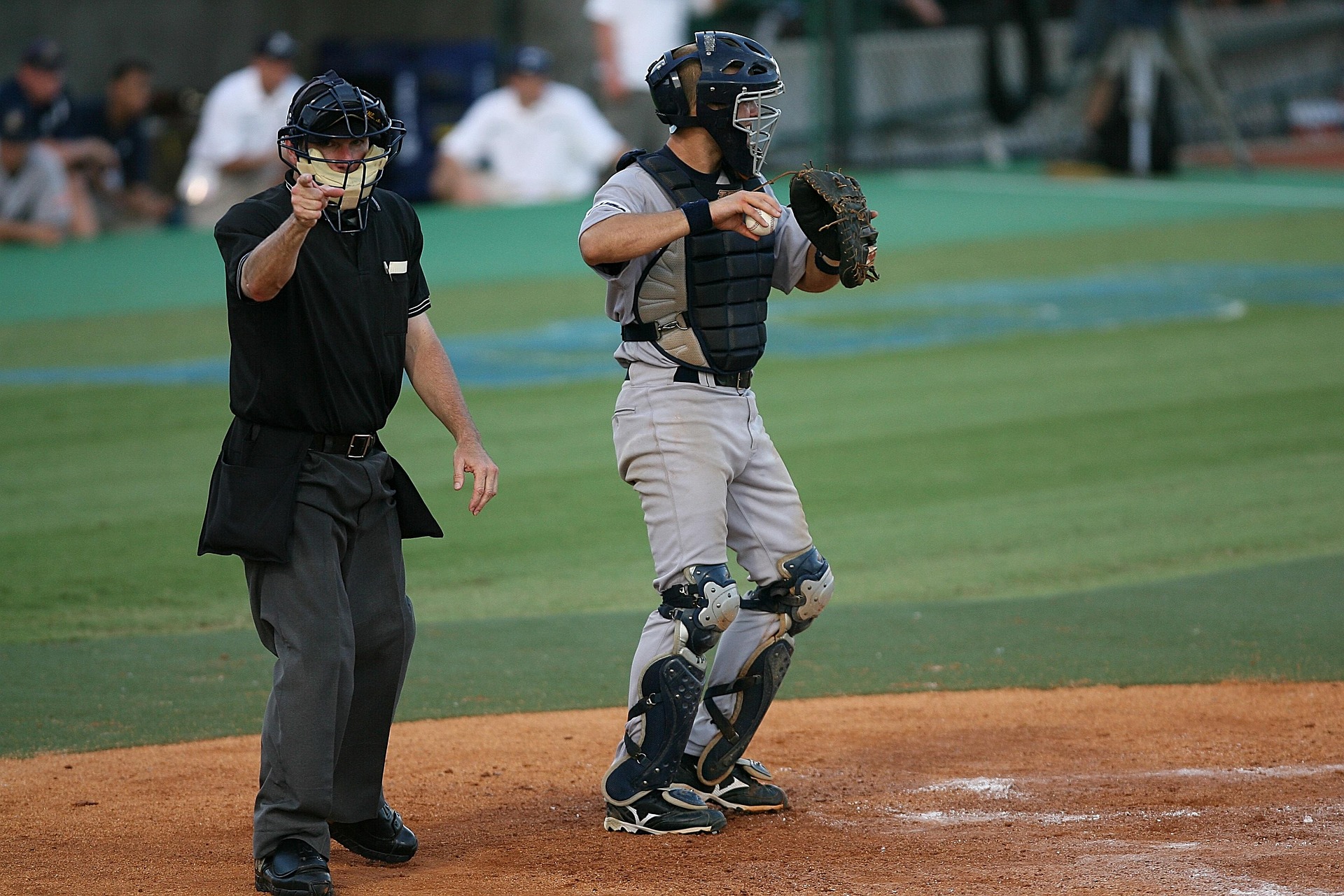
Under the new ABS challenge system, only the batter, pitcher, or catcher can initiate a challenge, and it must be signaled immediately after the umpire’s call.
For the Astros, spring training is serving as a laboratory—not just to test the technology, but to determine who should be trusted to use it.
In a season where margins could be thin, knowing when not to challenge may matter just as much as knowing the strike zone.