







WEST PALM BEACH, Fla. — Three weeks doesn’t seem like enough time to earn the right to call out your teammates. Especially when you’ve been gone for 3½ years.
Carlos Correa didn’t see it that way.
After the Astros suffered their third straight shutout loss in Detroit last August, Correa spoke up in the team meeting. He challenged his teammates to be better, to play harder, to raise their standards. Most of the roster barely knew him—he’d only been back in Houston since late July after the trade from Minnesota.
The message landed anyway.
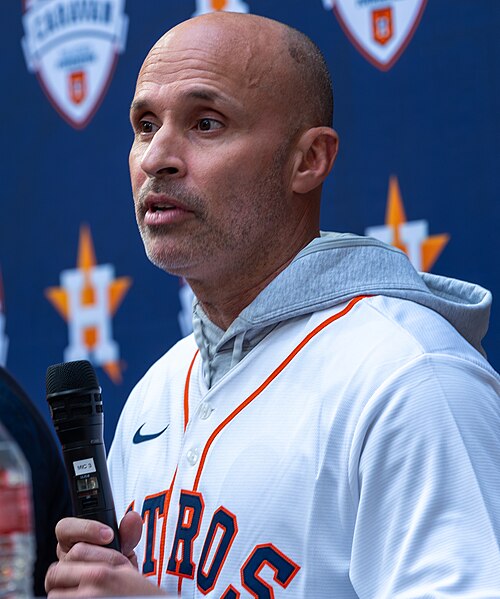
“People follow Carlos and they believe in what he says because he’s very passionate about it,” said Jeff Bagwell, the Hall of Fame first baseman who now serves as a senior advisor to the organization. “Whatever he preaches, he does himself, because that’s what leaders do.”
More Than a Third Baseman
The Astros needed a bat when they traded for Correa last summer. What they got was something harder to quantify: accountability.
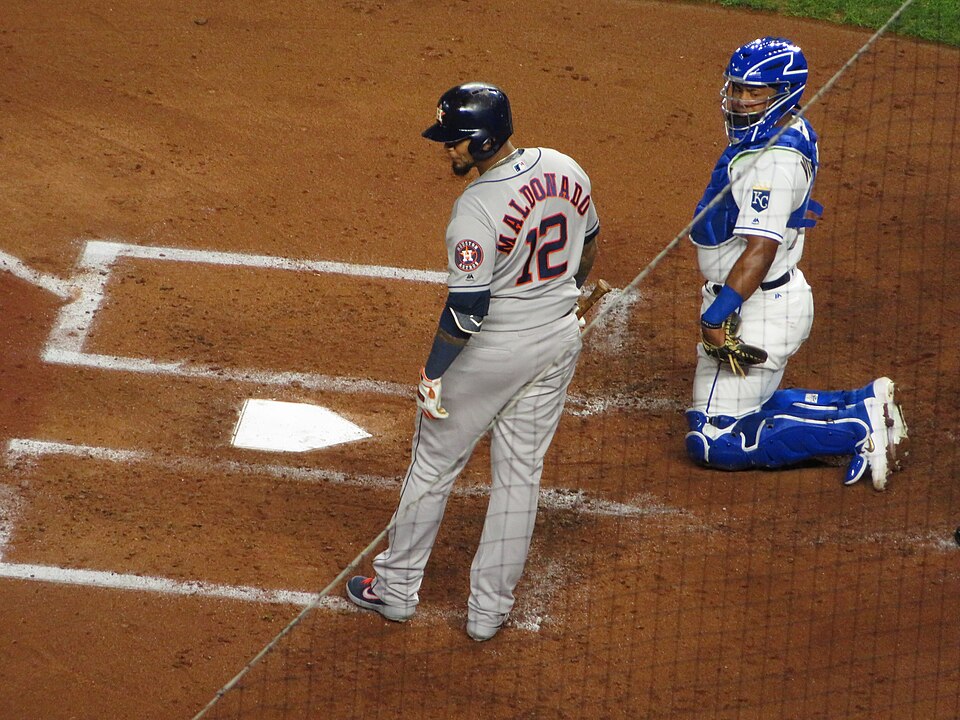
Houston had lost its clubhouse anchors. Michael Brantley retired. Martín Maldonado left. Alex Bregman departed in free agency. The veterans who set standards and enforced expectations were gone, leaving a void that statistics couldn’t measure.
Correa stepped into that space immediately. Manager Joe Espada leaned on him throughout the offseason, scheduling multiple lunch meetings to discuss the team’s direction. At January’s FanFest, Correa publicly challenged the roster, saying some players weren’t maintaining the routines necessary to withstand injuries.
He promised changes were coming.
They did. The weight room saw renewed emphasis on pre- and post-workout recovery. Espada adjusted practice structure to get players off their feet more and operate more efficiently.
“There’s some stuff you can do post-workout so when you wake up the next day, you feel strong,” Espada said. “Those are the things Carlos has done to help him stay on the field and he’s always sharing those experiences with our players.”
Leading by Example
Jeremy Peña understands Correa’s impact better than most. When Correa left after the 2021 season, Peña inherited the shortstop job and the pressure that came with replacing a franchise cornerstone. Correa stayed in touch, offering advice and encouragement, then celebrated when Peña won ALCS and World Series MVP honors as a rookie in 2022.
When Houston reacquired Correa last summer with Peña entrenched at short, Correa moved to third base without complaint.
“He’s a very knowledgeable guy, very approachable,” Peña said. “He gives the young guys a lot of confidence to go up to him and ask questions and get a straight answer. They don’t feel intimidated.”
That accessibility matters for a clubhouse integrating new pitchers and young position players fighting for roster spots. Correa serves as a bridge—someone who knows what championship standards look like and isn’t afraid to demand them.
Bagwell recalled one moment last September that captured Correa’s presence. When rookie Zach Cole homered on the first pitch he saw in the majors, Correa tracked down Cole’s parents after the game to congratulate them personally.
“For a young kid to have Carlos Correa come over to talk to him and his parents after the biggest day of his life, it’s a big deal,” Bagwell said. “He just has a presence to him. When he walks in the room, it changes the room.”
The Total Package
Correa’s first stint in Houston established his leadership credentials. He became the team’s spokesman during the sign-stealing fallout. He challenged Framber Valdez during a 2020 ALCS mound visit—“Get the next batter out”—and Valdez delivered.
Those moments weren’t theatrics. They were standards.
Bagwell, who spent 15 years as one of Houston’s clubhouse leaders, recognizes the real thing.
“We’ve got Carlos out there and he’s going to take care of everything that needs to be taken care of—offensively, defensively, pitching staff,” Bagwell said. “He’s the total package as far as a leader.”
For an Astros team trying to reclaim its winning standard after missing the postseason, Correa’s voice may matter as much as his bat.
When he speaks, people listen. When he challenges, teammates respond. And when he moves positions for the good of the team, the message is clear.
He practices what he preaches, and Houston is counting on that.
Photo: Jeffrey Hayes / Flickr (CC BY 2.0)